
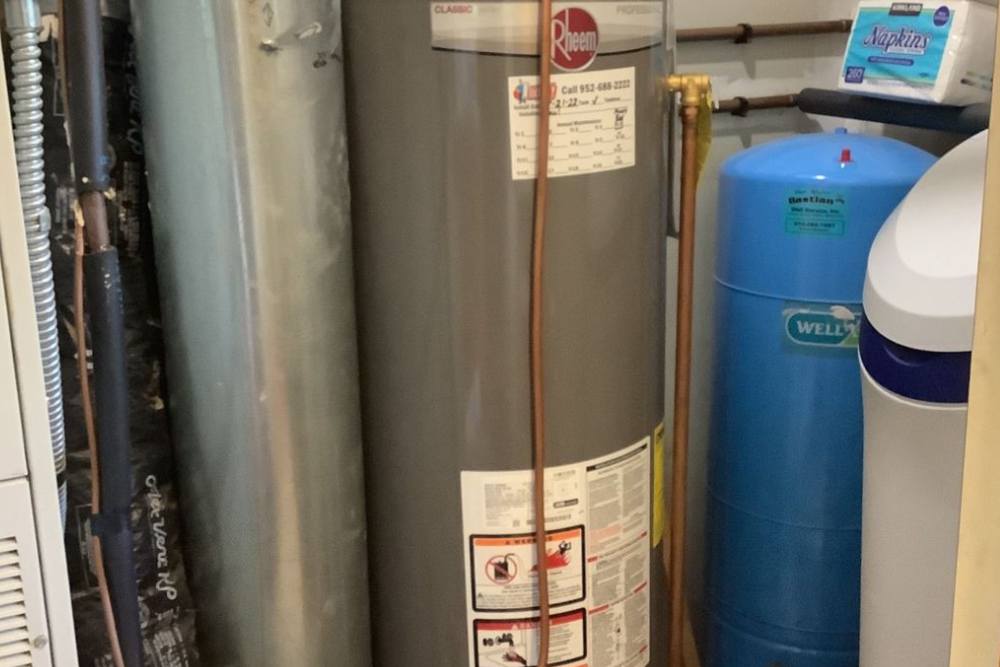
Hot water is something most people take for granted until something goes wrong. If you have ever heard banging pipes, noticed dripping from a pressure valve, or had a plumber mention an expansion tank, you might be wondering what it actually does and if your home needs one.
An expansion tank is a small addition to your water heater setup, but it plays a big role in protecting your plumbing. Not every home requires one, but in many cases, installing it can prevent long-term damage and expensive repairs. Let’s break down what an expansion tank is, how it works, and how to tell if your system would benefit from one.
At Water Heaters Now, we provide same-day water heater installation & repair in the Twin Cities metro area, delivering expert service and professional-grade systems you can count on.
What Is an Expansion Tank?
An expansion tank is a small metal tank that connects to your water heater system. Inside, it has two sections separated by a rubber diaphragm. One side holds air, and the other takes in excess water.
When water heats up, it expands. That extra volume needs somewhere to go. Without a place for that expanded water, pressure builds inside your plumbing system. The expansion tank acts as a buffer. It absorbs the extra volume created during heating and keeps pressure levels stable.
Why Water Expansion Matters
Water might seem like it stays the same, but it actually expands as it heats. Inside a water heater, this expansion happens every time the unit runs.
In older plumbing systems, this was not a big issue because water could flow back into the municipal supply line. Today, many homes have closed systems, meaning water cannot flow backward due to check valves or pressure-reducing valves.
In a closed system, pressure has nowhere to go. That pressure builds up and can lead to:
- Leaking pipes or fittings
- Premature wear on appliances
- Dripping from the temperature and pressure relief valve
- Stress on your water heater tank
Over time, this added strain can shorten the lifespan of your equipment.
How an Expansion Tank Works
The operation is simple but effective. As water heats and expands, the extra volume enters the expansion tank instead of increasing pressure in the pipes.
Inside the tank:
- The air chamber compresses as water enters
- This compression absorbs pressure changes
- When pressure drops, water flows back into the system
This back-and-forth movement helps maintain a balanced system without sudden spikes.
Think of it like a shock absorber for your plumbing. It smooths out pressure changes that would otherwise put stress on your system.
Do All Homes Need an Expansion Tank?
Not every home needs one, but many modern systems do. The deciding factor is whether your plumbing system is open or closed.
Closed Plumbing Systems
If your home has a pressure-reducing valve, backflow preventer, or check valve, it is considered a closed system. In this setup, water cannot flow back into the main supply.
Most newer homes fall into this category. In these cases, a water heater expansion tank installation is often recommended and sometimes required by code.
Open Plumbing Systems
Older homes without these valves may allow water to flow back into the city supply. In these setups, expansion is less of a concern.
That said, even some older homes have been upgraded over time, turning them into closed systems without homeowners realizing it.
Signs You May Need an Expansion Tank
If you are unsure about your setup, there are a few signs that suggest your system could benefit from an expansion tank.
- Your pressure relief valve leaks occasionally
- You hear banging or knocking sounds in your pipes
- Your water pressure fluctuates during use
- You have replaced water heater parts more than expected
- You recently installed a pressure-reducing valve
These symptoms often point to pressure issues caused by thermal expansion.
What Happens Without One?
Skipping an expansion tank in a system that needs it can lead to slow damage over time. The effects might not be obvious at first, but they add up.
Repeated pressure increases can weaken pipe joints and fittings. Small leaks may develop, which can go unnoticed until they cause water damage.
Your water heater also takes on extra stress. The tank, valves, and internal components experience more wear, which can shorten the unit’s lifespan.
In some cases, the temperature and pressure relief valve may release water frequently. While this valve is designed as a safety feature, constant discharge is a sign something is off.
Are Expansion Tanks Required by Code?
In many areas, plumbing codes require expansion tanks for closed systems. This is especially true for new water heater installation or when replacing one.
Local regulations vary, so it is a good idea to check with a licensed technician familiar with your area’s requirements.
Even when not required, many professionals recommend installing one as a preventative measure. It is a relatively small investment compared to the cost of repairs caused by pressure damage.
How Much Does an Expansion Tank Cost?
The cost of an expansion tank depends on size and installation factors. For most residential setups, the tank itself is affordable. Installation costs can vary based on accessibility, system layout, and labor rates in your area.
In general, the total cost is far less than repairing water damage or replacing a prematurely worn-out water heater.
Maintenance and Lifespan
Expansion tanks do not require a lot of maintenance, but they are not maintenance-free. Over time, the internal diaphragm can wear out. When that happens, the tank may fill completely with water and stop working properly.
A quick way to check is by tapping the tank. It should sound hollow on the air side and solid on the water side. Most expansion tanks last several years, but periodic inspection helps catch issues early.
Same-day Water Heater Service in Minneapolis–St. Paul
If your system needs an expansion tank or you are dealing with pressure issues, now is the time to take care of it. At Water Heaters Now, water heaters are all we do. We have replaced thousands of units over the past decade and are the largest installer of professional-grade water heaters in the Twin Cities metro area.
You can expect same-day service, fast installation from licensed and certified technicians, and equipment built to last 16+ years. Our approach helps lower long-term costs and improve energy efficiency, so your system runs better every day. Reach out to us now to get a quote.