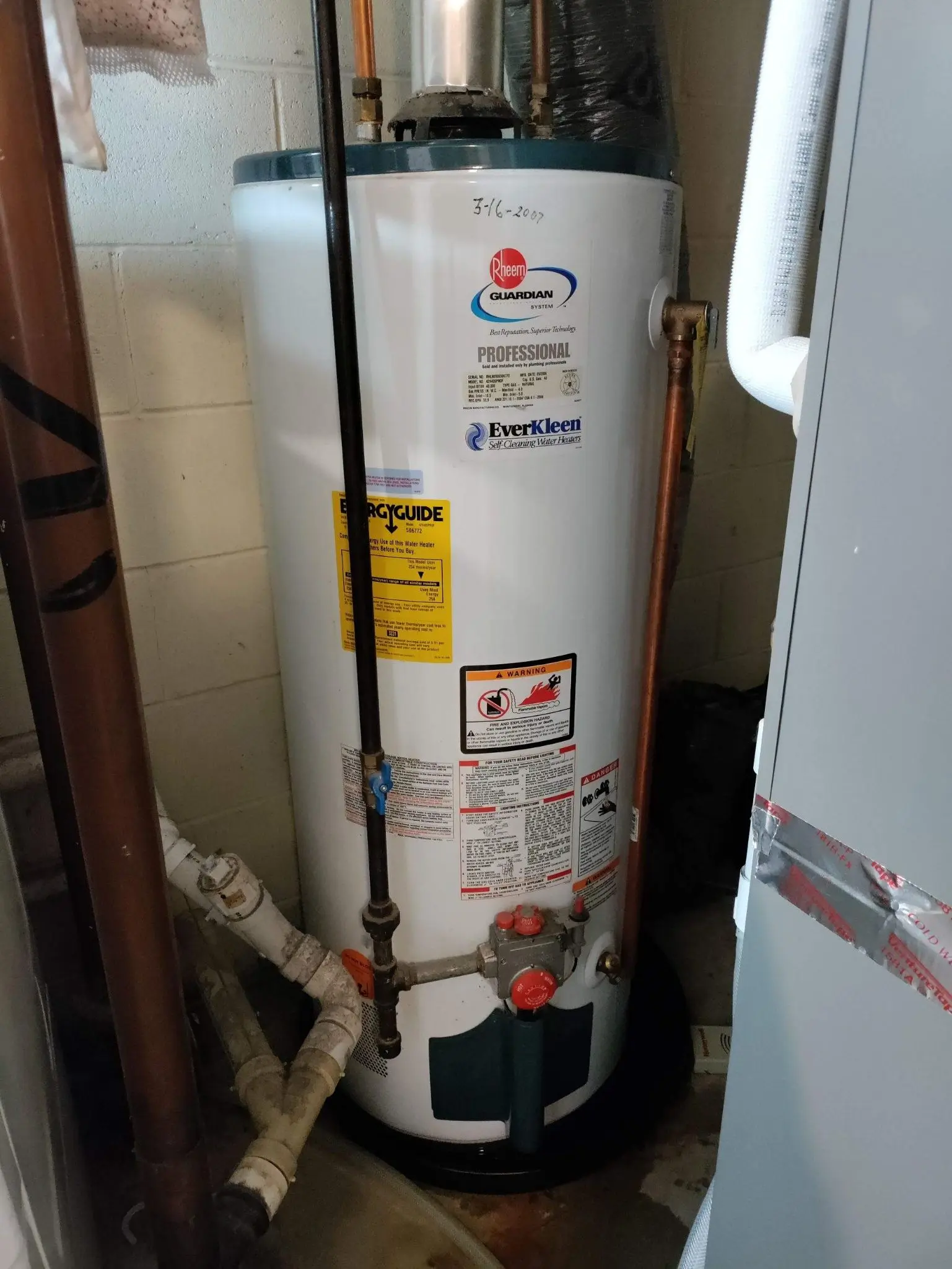
Water Heater Overheating? 15 Causes And How To Fix Them

Water Heater Overheating? 15 Causes And How To Fix Them

Quick Summary

 A water heater overheating happens when the unit’s temperature climbs past a safe level, often above 140 degrees. This problem usually comes from a bad thermostat, broken heating element, or too much sediment inside the tank. Fixing these issues fast stops burns, tank bursts, or water heater accidents in your home.


If your hot water feels scalding or you hear strange rumbling noises from the tank, you may have a water heater overheating problem. This issue is dangerous because it raises pressure inside the unit and can cause sudden failures. For safe water heater installation and repair, you need expert help right away.

At Water Heaters Now, we fix these problems every day without any hassle for you. Our team offers fast water heater service and replacement to stop overheating risks. We use professional-grade equipment and give you same-day help because your safety matters to us.

Faulty Thermostat Settings Causing Overheating

The thermostat acts like a traffic cop for your water heater’s temperature. When this part fails or gets set too high, the heater keeps running past the safe limit of 120 to 140 degrees. You might see the water coming out of your taps as steam or feel it burn your skin right away. A quick check of the thermostat dial often shows the problem.

Lower the thermostat setting to 120 degrees and wait two hours to see if the overheating stops. If the water still comes out too hot, the thermostat has likely broken inside and needs a full replacement. Do not keep using a unit with a bad thermostat because the pressure can build up and crack the tank. Call a repair person to swap out this small but critical part for you.

Malfunctioning Heating Elements Creating Excess Heat

Electric water heaters use one or two heating elements that work like the coils inside a toaster. When an element gets a crack or starts to short out, it stays on all the time instead of turning off at the right temperature. This constant heating pushes the water temperature higher and higher until someone opens a tap. You might also notice your electric bill jumping up for no clear reason.

If you suspect a heating element issue, turn off power to the unit and avoid opening electrical panels unless you are trained to do so. Electrical water heater repairs can be dangerous without the right tools and experience. A licensed water heater technician can test the elements safely, confirm whether one has failed, and replace the damaged part if needed.

Sediment Buildup Restricting Heat Transfer

Hard water leaves behind tiny mineral particles that look like sand or small rocks inside your tank. These particles settle at the bottom and form a thick layer that traps heat against the metal floor of the unit. The trapped heat makes the bottom of the tank much hotter than the water above it, which causes the metal to overheat and fail over time. You will hear popping or rumbling sounds as water bubbles up through this sediment layer.

Flushing your water heater once every year removes this built-up layer before it causes real damage. Attach a garden hose to the drain valve at the bottom and let the water run until it comes out clear instead of cloudy. If the valve gets stuck or won’t open all the way, call us to clear the blockage safely. Regular flushing also makes your unit last longer and heat water more efficiently.

Pressure Relief Valve Failure Issues

Every water heater has a temperature and pressure relief valve designed to release excess pressure when conditions inside the tank become unsafe. If this valve gets stuck, blocked, or worn out, pressure may not release properly. That can increase the risk of leaks, damage, or other serious water heater accidents.

You can visually check the valve area for dripping, corrosion, or signs of discharge near the overflow pipe. However, do not cap, plug, or block this valve. If the valve leaks, fails to release water during testing, or does not close properly afterward, call a professional for replacement.

Electrical Wiring Problems Affecting Temperature

Loose wiring, damaged connections, or electrical issues can interfere with how an electric water heater controls temperature. In some cases, the unit may heat inconsistently, shut off unexpectedly, or continue heating longer than it should. Warning signs may include flickering power, a tripped breaker, a burning smell, or visible scorch marks near the access panel.

Do not remove panels or handle wiring yourself if you notice these signs. Turn off power to the unit at the breaker and schedule professional water heater installation and repair. Electrical problems should always be handled by a qualified technician to reduce shock, fire, and equipment damage risks.

Damaged Temperature Sensors Sending Errors

Modern water heaters use small electronic sensors that sit right against the tank wall to read the water temperature. These sensors send constant signals to the control board, telling it when to turn the heat on and off. If a sensor gets bent, corroded, or unplugged, it might send a false cold reading even when the water is boiling hot. The control board then keeps the heating elements running full blast without stopping.

Locate the temperature sensor on your unit, which looks like a thin metal probe with two wires attached to it. Clean off any rust or white mineral deposits with a soft cloth, and make sure the probe touches the tank wall snugly. If cleaning does not fix the overheating, the sensor has likely failed and needs a new one. Order a replacement sensor that matches your exact model number from the manufacturer.

Incorrect Water Heater Installation Mistakes

A bad installation job creates problems that show up from the very first day your water heater runs. Someone might put the wrong size heating elements in the tank or wire the unit backwards so it never shuts off. They might also leave out the dielectric fittings that stop metal parts from eating each other away over time. These mistakes cause the water temperature to climb out of control within the first few weeks of use.

Look at the sticker on the side of your tank to find the right wattage and voltage for your replacement parts. Compare those numbers to what is actually installed, and call out any differences you find. A heater with parts that are too big will always overheat because it puts out more energy than the tank can handle. Have a licensed installer fix any mistakes from the original job to stop the overheating for good.

Faulty Control Boards in Modern Units

Newer water heaters come with electronic control boards that work like tiny computers for your hot water system. These boards read the temperature sensors and tell the heating elements exactly when to turn on and off. When a control board gets hit by a power surge or just wears out, it can send the wrong signals or freeze up completely. The heating elements might then run nonstop because the board never sends the shutoff command.

Look for error codes on the small display screen that many modern units have on the front panel. These codes tell you exactly what part has failed, and a quick online search explains what each code means. If the display shows nothing at all or stays frozen on one number, the control board needs replacement. This repair costs more than a simple thermostat fix, but it beats buying a whole new water heater.

High Voltage Supply Affecting Performance

Your home’s electrical system should send a steady 240 volts to a standard electric water heater. When the voltage runs higher than that, the heating elements put out more heat than they were designed to make. This extra heat pushes the water temperature past the safe limit, even if the thermostat works perfectly. A voltage problem can come from bad wiring at the street or from a broken transformer near your house.

Ask your power company to check the voltage coming into your home at the main electrical panel. They have special meters that record the voltage over a full day to catch any high spikes or steady overvoltage conditions. If the problem comes from inside your house, an electrician needs to find and fix the bad wire or loose connection. Running a water heater on the wrong voltage will kill it fast and void the warranty too.

Aging Components Leading to Overheating

Every part inside a water heater wears out a little bit each time the unit turns on and off. The thermostats drift out of calibration, the sensors get slow, and the heating elements grow thin and weak. These old parts do not work the way they should, and they often fail in the on position instead of the off position. A ten-year-old water heater has a much higher chance of overheating than a new one for this exact reason.

Check the manufacturing date on your water heater’s serial number sticker to see how old the unit really is. Most water heaters last between eight and twelve years before parts start failing in dangerous ways. If your unit has passed the ten-year mark and shows signs of overheating, plan to replace the whole thing soon. Putting new parts into an old tank often wastes money because another part will break next month instead.

Blocked Venting Systems Causing Problems

Gas water heaters need a clear path for exhaust fumes to leave your house through a metal pipe called a vent. When birds, nests, or debris block this pipe, the burner cannot get enough fresh air to work right. The flame then burns poorly and creates extra heat that transfers to the water instead of going up the chimney. You might also smell gas fumes or see soot marks around the top of your water heater.

Check whether the vent area appears blocked, loose, or damaged from a safe distance. Do not attempt to disassemble the venting system if you smell gas, see soot, or notice exhaust problems. Shut off the unit if it is safe to do so, leave the area if fumes are present, and call a qualified professional right away.

Poor Maintenance Increasing Overheating Risks

Water heaters need regular care to keep working safely, just like your car needs oil changes to run right. Most homeowners forget about their water heater until something breaks and water goes everywhere. This lack of care lets sediment build up, valves get stuck, and sensors fail without anyone noticing the warning signs. By the time the overheating starts, the damage has already been going on for months or years.

Set a calendar reminder to check your water heater’s temperature and pressure valve every six months. Drain a bucket of water from the bottom of the tank twice a year to remove sediment before it builds up too thick. Look at all the connections for rust or leaks once a month, and listen for any strange sounds when the unit runs. A few minutes of maintenance prevents the danger of overheating and adds years to your water heater’s life.

Oversized Heating Elements Producing Excess Heat

Some homeowners or handymen put bigger heating elements into a water heater thinking it will make hot water faster. A 5500-watt element in a tank designed for 4500 watts creates too much heat for the thermostat to control properly. The thermostat tries to turn off the power, but the element heats up so fast that the water overshoots the set temperature. This mismatch makes the water come out dangerously hot even when the thermostat dial shows a safe setting.

The safest fix is to have a technician compare the installed parts against the manufacturer’s specifications. If the wrong element size was installed, it should be replaced with the correct part for that exact model. Using the wrong components can affect performance, safety, and warranty coverage.

Internal Tank Damage Affecting Operation

The inside of a water heater has a glass-like coating that stops the metal from rusting and falling apart. When this coating cracks or wears through, the bare metal starts to corrode and flake off into the tank. These rust flakes can stick to the temperature sensor or thermostat probe and make them read the wrong temperature. The control board then gets confused and runs the heater too long because it thinks the water is still cold.

Rusty hot water, brown stains, or recurring overheating issues can point to internal tank wear. Once corrosion begins inside the tank, repair options may be limited, especially if the unit is older. A professional inspection can confirm whether repair is practical or whether replacement is the safer long-term choice.

Manufacturer Defects and Equipment Failures

Sometimes a water heater overheats not because of anything you did but because of a mistake at the factory. A thermostat might have the wrong calibration from day one, or a sensor might have a loose wire inside its plastic coating. These defects might not show up until the unit has run for a few months and the bad part finally gives out. The manufacturer should pay for these repairs under the warranty if you catch the problem early enough.

Save your water heater’s receipt and warranty papers in a safe place where you can find them fast. Call the manufacturer’s customer service number with your model and serial number ready to tell them about the overheating problem. They might send you a free replacement part or pay a local repair person to fix their mistake. Do not wait too long to make this call because warranties expire, and then the repair comes out of your pocket instead.

Call Water Heaters Now For Same-Day Water Heater Service

Do not ignore a water heater that keeps overheating, leaking, or producing scalding hot water. Water Heaters Now sends a certified water heater technician to your home on the very same day you call our office. We find the exact cause of your overheating problem and fix it without any hidden fees or surprises. Our team also handles electric water heater repair for all makes and models with professional grade parts. Water Heaters Now gives you fast service, honest quotes, and peace of mind knowing your water heater runs safe again.
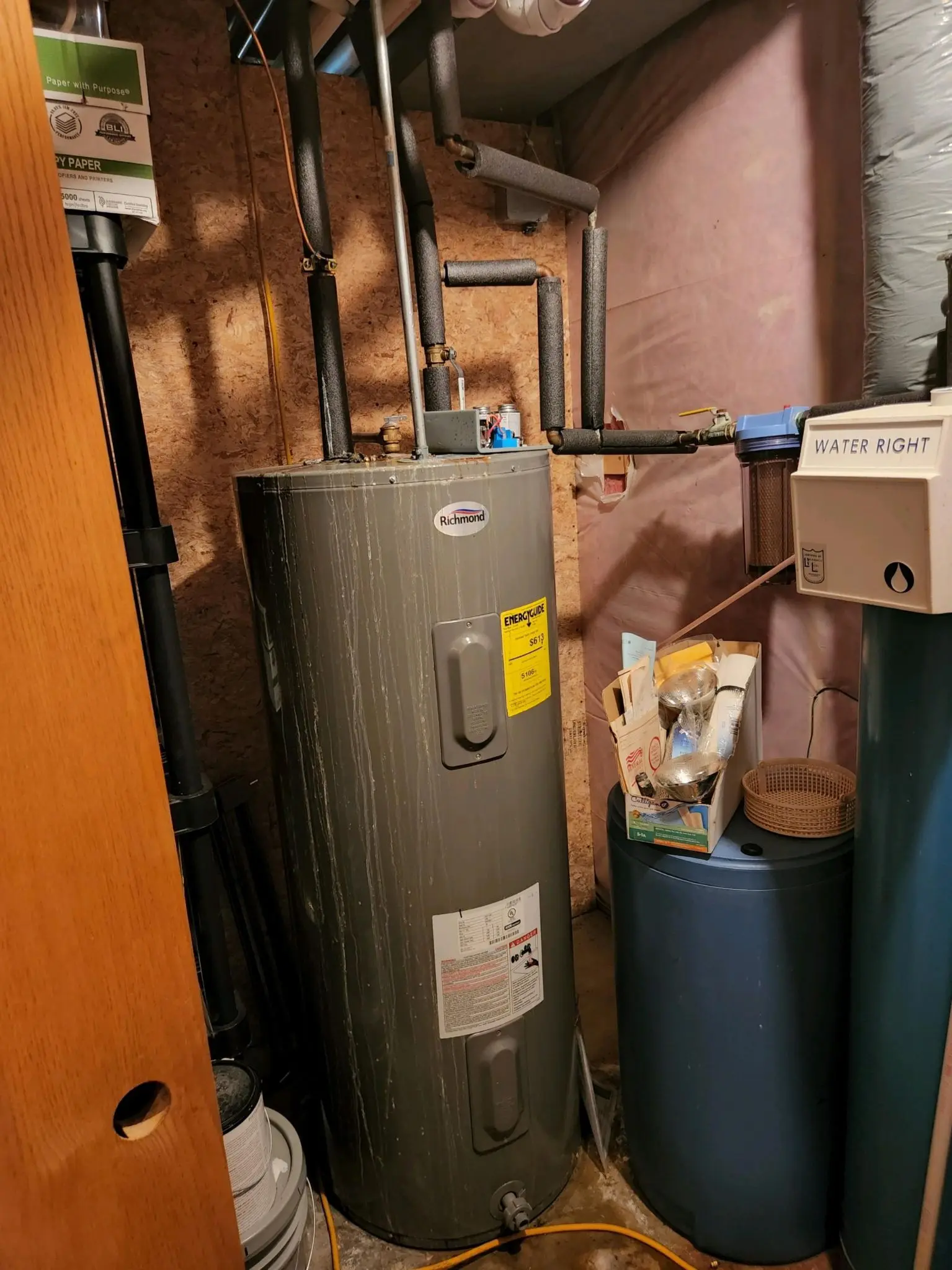
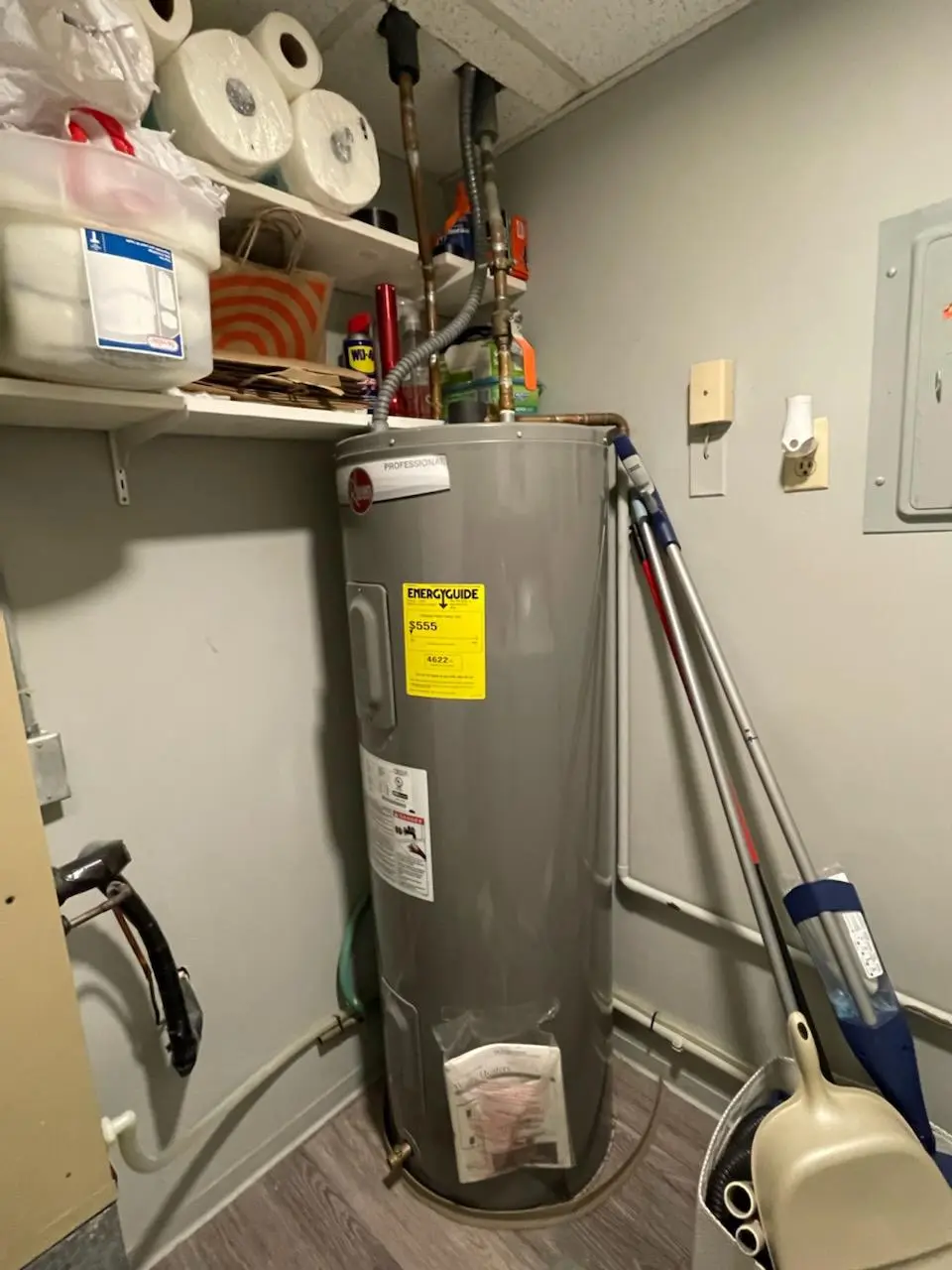
Noisy Water Heater: 9 Tips To Silence It

Noisy Water Heater: 9 Tips To Silence It

Quick Summary

 A noisy water heater often means sediment buildup, loose parts, or high water pressure inside the tank. Flushing the tank or calling a pro for a water heater inspection usually fixes popping, rumbling, or humming sounds for good.


A loud tank can disturb your peace at home and point to serious plumbing trouble. Mineral scale or loose parts cause a noisy water heater to make strange sounds during daily use. You can fix these issues easily when you know what to look for in your system. Regular maintenance keeps your system running smoothly for years. Schedule a professional water heater installation and repair to keep your home safe and quiet.

At Water Heaters Now, we fix your water heater problems fast with our expert team. Our efficient crew brings quality tools and experience to every home visit in your area. You get lower bills and great comfort when you choose our water heater service and replacement options today.

Sediment Buildup Inside Water Heater Tanks

Minerals from hard water fall to the bottom of your tank and form a thick layer of sediment over time. This crusty layer traps heat and creates popping or crackling sounds as water bubbles up through the hardened minerals.

Your water heater has to work much harder to heat water through this muddy layer at the bottom of the tank. This extra effort not only makes noise but also wastes energy and shortens the life of your appliance.

Popping Sounds Coming From Water Heaters

A popping noise happens when water gets trapped under a layer of sediment and then boils violently to escape. Each pop is a tiny explosion of steam that pushes up through the heavy mineral crust on the tank floor.

You will hear these pops most clearly when the burner fires up at the start of a heating cycle. Regular flushing of your tank removes the sediment layer and stops these annoying popping sounds for good.

Rumbling Noises During Heating Cycles

A deep rumbling sound from your water heater sounds like a small storm rolling around inside the metal tank. This noise means a thick layer of sediment has hardened and is now boiling water very slowly across the whole bottom surface.

As the rumbling gets louder over time, your tank becomes less efficient and more expensive to run each month. Draining and flushing your water heater once a year removes the hard crust and stops the rumbling noise completely.

Loose Components Creating Vibrating Sounds

Metal parts inside your water heater can come loose from years of heating and cooling cycles every single day. These loose pieces vibrate against the tank walls and produce a humming or buzzing sound that changes with water flow.

Check the metal dip tube, heating element brackets, and even the outer access panels for any movement. Tightening a few screws or replacing a loose part often stops the annoying vibration in just a few minutes.

Water Hammer Problems in Plumbing Systems

Water hammer makes a loud banging or thumping noise when you shut off a faucet or valve too quickly. This sound happens because fast moving water slams into a closed valve and sends a shock wave through your pipes.

Your water heater can make this banging noise worse because it acts like a big drum for the whole plumbing system. Installing a water hammer arrestor on the cold water line stops the banging and protects your pipes from damage.

High Water Pressure and Tank Noise

Water pressure above eighty pounds per square inch puts too much stress on your tank and its internal parts. This high pressure creates hissing sounds as water forces its way through small openings and makes valves hum or chatter during use.

A simple pressure gauge from any hardware store tells you if your home has dangerously high water pressure. Installing a pressure reducing valve on your main water line stops the noise and saves your appliances from early failure.

Heating Element Issues in Water Heaters

Electric water heaters have metal heating elements that can collect scale or burn out over many years of use. A sizzling or hissing sound near the element means mineral buildup is boiling water right at the metal surface.

A humming noise from the element area often means the part is failing and needs replacement very soon. Turning off the power and replacing the old element with a new one stops the noise and gives you hot water again.

Tank Expansion and Metal Movement Sounds

Metal tanks expand when they heat up and shrink back down when they cool off after each cycle. This constant movement creates ticking, creaking, or pinging sounds as the metal slides against its supports or insulation.

These expansion sounds are usually harmless but can get louder as your tank gets older each year. Adding padding or insulation between the tank and its metal straps often muffles these annoying ticking sounds completely.

Flushing a Noisy Water Heater Tank

Flushing your water heater means draining all the water out to remove loose sediment from the bottom of the tank. This simple process takes about thirty minutes and stops most popping, rumbling, and crackling noises for many months.

Turn off the power or gas, attach a garden hose to the drain valve, and let the water run until it comes out clear. Doing this job once a year keeps your tank quiet and helps your water heater making noise problems disappear for good.

Signs Your Water Heater Needs Repair

Loud banging, persistent rumbling, or a hissing sound that does not stop after flushing means bigger trouble inside. Rusty water coming from your hot taps or a leaking tank are serious warning signs that need immediate attention from a pro.

A water heater inspection by our team finds hidden problems before they turn into expensive floods or breakdowns. Call us right away if your tank makes strange sounds that flushing does not fix within one day.

When Water Heater Replacement Makes Sense

Replacing your water heater becomes the best choice when repairs cost more than half the price of a new tank. A unit older than twelve years with loud noises and rust spots is ready for a brand new model from our shop.

Our team installs professional grade water heaters that run quietly and last for sixteen years or longer with basic care. New units use less energy, make almost no noise, and give you peace of mind for a very long time.

Call Water Heaters Now for a Quiet Water Heater Today

Stop living with a loud system and let our skilled team fix your water heater problems today. We offer same day installation to give you a quiet home without any extra stress. Schedule a professional water heater inspection to catch small system issues before they turn into costly breakdowns. Our licensed water heater technician handles every job fast with professional grade equipment that lasts for many years. Water Heaters Now provides hassle free quotes with no surprises on your final bill. Contact Water Heaters Now right away to get the best water heater service in the area.

A Guide To Residential Water Heater Maintenance

A Guide To Residential Water Heater Maintenance

Quick Summary

Regular water heater maintenance stops leaks, cuts energy bills, and makes your unit last longer. Flush the tank once a year, check the anode rod every two years, and test the pressure valve to avoid costly breakdowns and sudden cold showers.


Taking care of your unit with simple water heater maintenance keeps hot water flowing every day. Small checks like looking for rust or odd noises can stop big problems before they start. For serious repairs, trust a professional water heater installation and repair team to handle the job safely.

At Water Heaters Now, we fix and replace water heaters every single day. Our licensed experts know how to spot hidden issues and perform fast water heater service and replacement. You get honest advice, same-day help, and no surprise fees from us.

Spot Early Signs of Water Heater Problems

Look for water pooling near the bottom of your tank because that often means a small leak has started. Strange popping or rumbling sounds suggest sediment has built up inside the heater over time. Rusty water coming from your hot side points to corrosion inside the tank itself.

Improve Performance with Routine Maintenance

Cleaning the tank and checking small parts each year will keep your water heater working well. A clean unit heats water faster and uses less energy than one full of mineral buildup. These simple tasks also lower your monthly bill and prevent sudden breakdowns.

Build a Water Heater Maintenance Plan

Write down a simple calendar with one job to do each season for your unit. Spring is perfect for flushing the tank and fall works great for inspecting the anode rod. Keeping this plan on your fridge helps you remember every single task all year long.

Check Water Heater Temperature Settings

Set your thermostat to one hundred twenty degrees for safe and efficient home hot water. Higher temperatures waste energy and raise the risk of burns for children or older adults. A lower setting also slows down rust and mineral growth inside your tank.

Flush Your Water Heater Correctly

Turn off the power or gas and attach a garden hose to the drain valve at the bottom. Open the valve and let four or five gallons of water rush out into a bucket or floor drain. This removes loose sediment that makes your heater work harder than it should.

Inspect the Anode Rod Regularly

This metal rod pulls rust toward itself so your tank does not rot from the inside out. Look at it every two years and replace it when you see deep cracks or bare steel wire. A working anode rod can add five or more years to your water heater life.

Test the Pressure Relief Valve

Lift the valve lever on the side of your tank and let a little water sputter out into a bucket. If water keeps flowing after you close it or nothing comes out at all call for help. This valve stops your tank from building too much pressure and bursting open.

Prevent Sediment from Damaging Components

Sand and minerals settle at the bottom of your tank and form a hard crust over time. This crust traps heat against the steel floor and causes cracks or leaks to form slowly. Flushing once a year stops this damage and keeps your burner or element working right.

Fix Common Water Heater Issues

No hot water often means a broken heating element or a tripped circuit breaker on your unit. Water that is not very hot usually points to a bad thermostat or too much sediment inside. Strange smells in hot water come from bacteria that grow in a very old tank.

Schedule Water Heater Repair on Time

Call a professional as soon as you see leaks, rust, or hear loud noises from your tank. Waiting too long can turn a small fifty dollar fix into a full thousand-dollar replacement. We offer same day service to stop small problems from becoming huge headaches for your home.

Maintain Gas and Electric Water Heaters

Gas units need you to check the burner flame for a steady blue color not yellow or orange. Electric heaters require you to test the upper and lower heating elements with a simple meter. Both types still need tank flushing and anode rod checks to last a long time.

Extend Your Water Heater Lifespan

A well cared for tank can last twelve to fifteen years while a forgotten one fails in half that time. Changing the anode rod before it disappears and flushing sediment every year makes a huge difference. You also save money on energy and avoid the mess of a sudden flood.

Call Water Heaters Now for Your Water Heater Help Today

Do not let a broken tank ruin your morning shower or flood your basement floor without warning. We are Water Heaters Now and we only do water heaters every single day in the Twin Cities. Schedule your water heater inspection with us to catch small issues before they grow. Our licensed water heater technician will arrive the same day with professional grade parts ready to fix any problem fast. We give honest upfront prices no hidden fees and heaters that have lasted over sixteen years for our happy customers. Call us now and let our family help your family stay warm with hot water you can count on.

The 5 Benefits Of Using A Hybrid Water Heater

The 5 Benefits Of Using A Hybrid Water Heater

Quick Summary

Hybrid water heaters combine heat pump technology with traditional tank storage to improve efficiency and reduce energy consumption. They typically lower monthly utility costs and offer longer lifespans compared to standard systems. Although upfront costs are higher, they can provide long-term savings and environmental benefits.


When homeowners start researching the benefits of using a hybrid water heater, the focus often starts with energy savings and expands to include performance, longevity, and overall efficiency. Traditional water heaters rely on generating heat directly, which can be both energy-intensive and costly over time.

Hybrid water heaters take a different approach by capturing heat from the surrounding air and transferring it into the water tank. This process requires significantly less electricity, making it one of the most efficient water heating options available today. As energy costs continue to rise, many households are looking for solutions that not only deliver reliable hot water but also reduce long-term expenses.

What Is a Hybrid Water Heater and How Does It Work?

A hybrid water heater, commonly known as a heat pump water heater, works by pulling warmth from the surrounding air and channeling it into the water inside the tank. Rather than generating heat directly like traditional electric units, it repurposes existing heat in the environment, making the process far more energy-efficient. The Demand Duo™ tankless water heater combines high efficiency with continuous hot water performance for modern homes.

The system also includes a backup heating element that activates during periods of high demand or when environmental conditions are less favorable. This dual-function design ensures that homeowners receive consistent hot water without sacrificing efficiency.

This method of heating is what makes hybrid systems fundamentally different. Rather than creating heat from scratch, they move it, which significantly reduces energy usage while maintaining dependable performance.

The Main Benefits of Using a Hybrid Water Heater

One of the most significant advantages of hybrid water heaters is their ability to dramatically lower energy consumption. Because they rely on heat transfer rather than direct heating, they use a fraction of the electricity required by traditional systems.

Another important benefit is the extended lifespan of the system. Hybrid units tend to experience less wear on critical components because they are not constantly generating heat through resistance elements. As a result, many homeowners find that these systems last longer than conventional water heaters, especially when installed and maintained correctly.

Environmental impact is also an important consideration. Hybrid water heaters reduce overall energy demand, which helps decrease a household’s carbon footprint. For homeowners who are looking to make more sustainable choices without compromising comfort, this can be a compelling factor.

In addition to efficiency and sustainability, hybrid systems often qualify for rebates or incentives depending on location and energy programs. These incentives can help offset the initial purchase cost, making the investment more accessible.

Another advantage is the consistency of hot water supply. Even though the system relies heavily on heat pump technology, the built-in backup heating element ensures that high-demand situations are handled without interruption.

Hybrid Water Heater Pros and Cons

Evaluating the hybrid water heater pros and cons is essential when deciding if this system aligns with your home’s needs. On the positive side, hybrid units offer exceptional energy efficiency, lower operating costs, and a longer functional lifespan. They are also considered a more environmentally responsible option compared to traditional electric water heaters.

However, there are some considerations to keep in mind. The upfront cost of a hybrid system is typically higher than that of a standard unit. Installation can also be more complex, as the system requires adequate space and proper airflow to function efficiently.

Is a Hybrid Water Heater Right for Your Home?

Choosing the right water heater depends on several factors, including your household’s water usage, energy goals, and long-term plans. Hybrid water heaters are particularly well-suited for homeowners who intend to stay in their property for several years, as the cost savings accumulate over time.

Homes with consistent or high hot water demand often benefit the most from hybrid systems. The efficiency gains become more pronounced with regular use, making them a practical option for families or larger households.

Working with experienced professionals can make a significant difference in selecting the right model and ensuring it is installed correctly. Specialists understand how to optimize performance based on the specific characteristics of your home.

Water Heaters Now provides expert guidance, professional-grade equipment, and fast installation backed by experienced technicians. With a focus on long-term value and customer satisfaction, we help homeowners make informed decisions without pressure.

Reach out today to schedule a consultation and find the right hybrid water heater solution for your home.

How Much Does Commercial Water Heater Installation Cost?

How Much Does Commercial Water Heater Installation Cost?

Understanding the commercial water heater installation cost is essential for businesses that rely on a consistent hot water supply. Restaurants, apartment buildings, gyms, hotels, and healthcare facilities all depend on systems that can handle high demand without interruption.

The price of commercial water heater installation and repair varies widely depending on system size, fuel type, building infrastructure, and installation complexity. Planning the right system is not only about upfront cost. Efficiency, durability, and long-term operating expenses also play a major role in the total investment.

What Typically Determines the Cost of Commercial Installation

Commercial systems are significantly larger and more complex than residential units. As a result, installation pricing reflects several technical and logistical factors.

System capacity is one of the primary drivers of cost. A small office building may require a single high-capacity tank, while a hotel or multi-unit property might need multiple heaters installed in a staged configuration to maintain a consistent supply.

Fuel source also influences installation cost. Gas-powered commercial heaters often require proper venting, gas line upgrades, and combustion air considerations. Electric units may require electrical panel upgrades or additional circuits to meet demand.

Building infrastructure adds another layer of complexity. Older buildings may require piping modifications, vent adjustments, or mechanical room reconfiguration. In many cases, installation teams must design the system around existing plumbing layouts while ensuring proper performance.

Typical Price Ranges for Commercial Systems

While exact pricing depends on the project scope, most businesses fall within predictable ranges.

Small commercial installations typically involve systems used in offices, retail spaces, or small restaurants. These systems usually cost several thousand dollars when installation, equipment, and labor are included.

Mid-size commercial systems are often used in larger restaurants, gyms, salons, or small apartment buildings. These installations require higher-capacity tanks or multi-unit configurations, increasing both equipment and labor costs.

Large commercial systems serve hotels, healthcare facilities, and multi-unit residential buildings. These installations often require custom planning, multiple heaters, storage tanks, and specialized plumbing work, which significantly increases overall costs.

Because each building has unique demand patterns, installers usually perform load calculations to determine the appropriate system size before providing an accurate estimate.

How Water Quality Impacts Long-Term Performance

Water quality is often overlooked during system planning, but it can significantly affect long-term performance and maintenance costs.

Hard water contains minerals that build up inside tanks, heating elements, and pipes. Over time, this buildup reduces efficiency, shortens equipment lifespan, and increases energy consumption.

Installation Complexity and Infrastructure Upgrades

Commercial installation often involves more than simply replacing a piece of equipment.

Mechanical room layout may need adjustments to accommodate larger systems or multiple units. Venting systems must be properly sized and routed to meet safety standards. Gas lines, electrical connections, and drainage systems may require upgrades as well.

Businesses that operate continuously, such as hotels or healthcare facilities, also require installation planning that minimizes downtime. Installers may stage installation phases to maintain hot water availability during the transition.

Why Planning for Future Demand Matters

A common mistake during commercial installation is sizing the system only for current demand. Businesses grow, occupancy levels change, and usage patterns evolve over time.

A system that operates near its maximum capacity every day will experience greater wear and higher energy consumption. Proper system sizing ensures that equipment operates efficiently while leaving room for future expansion.

In some cases, businesses choose modular installations that allow additional units to be added later. This approach spreads investment over time while maintaining system flexibility.

When Installation Becomes a Replacement Decision

Many businesses begin researching installation costs when an existing system starts failing. Aging equipment can lead to inconsistent hot water, higher utility bills, and frequent repairs.

At a certain point, repair expenses begin to outweigh the benefits of maintaining older equipment. In these cases, a full water heater replacement often becomes the more practical long-term solution.

Newer commercial systems are designed for better efficiency and reliability. Upgrading to modern equipment can reduce operating costs and improve hot water availability during peak demand.

Expert Help When Your Business Needs It

Running a business means you cannot afford hot water disruptions. That is why we focus exclusively on water heaters and have installed thousands across the Twin Cities metro area. Our licensed experts handle everything from system sizing to same-day installation using professional-grade equipment designed to last. You get clear pricing, efficient installation, and systems built for long-term performance.

If you are planning a commercial upgrade or installation, you can always request a quote and get straightforward guidance.

Common Commercial Water Heater Repairs Handled By Professionals

Common Commercial Water Heater Repairs Handled By Professionals

Reliable hot water is essential for many businesses, from restaurants and hotels to healthcare facilities and apartment buildings. When problems arise, commercial water heater repair becomes a priority to keep operations running smoothly and avoid disruptions.

Businesses often require specialized commercial water heater installation and repair services because commercial systems are larger, more complex, and operate under higher demand than residential units.

Professional technicians are trained to diagnose these issues quickly and restore consistent performance without unnecessary downtime.

Heating Element and Thermostat Failures

One of the most common issues in commercial systems involves faulty heating elements or malfunctioning thermostats. These components regulate water temperature and ensure the system produces consistent hot water.

When an element burns out or a thermostat stops responding accurately, the system may produce only lukewarm water or none at all. Businesses usually notice the problem during peak usage hours when demand is highest.

Professional technicians test electrical continuity, inspect wiring connections, and verify temperature calibration. Instead of guessing at the issue, trained professionals use diagnostic tools to confirm whether the element, thermostat, or control board needs replacement.

Sediment Buildup Inside the Tank

Commercial water heaters operate continuously, which means mineral deposits accumulate faster than in residential systems. Sediment buildup settles at the bottom of the tank and forms a thick layer that interferes with heat transfer.

Over time, this buildup forces the burner or heating elements to work harder to maintain the temperature. Businesses may notice rumbling or popping sounds from the unit, higher energy bills, or slower hot water recovery.

Leaks and Structural Tank Damage

Water heater leaks are often one of the most serious repair scenarios. In commercial environments, leaks can interrupt operations and cause damage to nearby equipment or flooring.

Not all leaks originate from the tank itself. Professionals first determine whether the issue comes from pipe connections, valves, pressure relief components, or the tank structure. Minor leaks may be resolved by replacing fittings or tightening connections.

However, if the tank itself develops cracks or corrosion, repairs are rarely effective. A leaking tank typically indicates structural failure, and continued operation can lead to significant water damage.

Burner and Ignition System Problems

Gas-powered commercial water heaters rely on burners, ignition systems, and flame sensors to generate heat. When these components malfunction, the system may struggle to ignite or maintain a steady flame.

Businesses might experience inconsistent hot water or complete system shutdowns. Ignition failures are often linked to dirty burners, damaged ignitors, or faulty flame sensors.

Professional repair technicians inspect burner assemblies, test gas supply levels, and evaluate the ignition sequence.

Control Board and Sensor Malfunctions

Modern commercial water heaters often include electronic control boards and digital sensors that monitor system performance. These components regulate temperature, pressure, and ignition cycles.

When a sensor becomes clogged with sediment or electrical connections deteriorate, the control system may send incorrect signals to the heater. This can cause overheating, inconsistent temperatures, or repeated shutdowns.

Professionals analyze fault codes stored in the system interface and test each sensor to locate the problem. Accurate diagnostics allow technicians to resolve electronic issues without unnecessary equipment replacement.

When Repair Is No Longer Practical

Commercial water heaters typically last several years with proper maintenance. However, repeated breakdowns, severe corrosion, or major tank leaks often signal that the system has reached the end of its service life.

At this stage, a professional evaluation may recommend water heater replacement rather than continued repairs. Upgrading to a newer system can improve energy efficiency, reduce maintenance costs, and restore reliable hot water production for demanding commercial environments.

Replacing aging equipment before catastrophic failure also prevents unexpected downtime for businesses that rely heavily on hot water.

Keeping Commercial Water Heaters Operating Efficiently

Regular inspections and maintenance help prevent many repair situations. Flushing the tank, checking heating components, and monitoring water quality can extend the life of commercial systems significantly.

Preventive service also allows technicians to detect small problems before they develop into major repairs. Businesses that schedule routine maintenance often avoid emergency shutdowns and maintain consistent performance from their water heating systems.

Reliable Help When Your System Needs Attention

When hot water problems interrupt your business, the response time and expertise of your service provider matter. At Water Heaters Now, we focus exclusively on water heaters, which allows our technicians to diagnose issues quickly and recommend practical solutions. From complex repairs to system upgrades, we help businesses restore dependable hot water without unnecessary delays.

If your commercial system needs attention, you can request a quote and get clear answers about the next steps.

An Overview Of Demand Duo™ Water Heater For Commercial Use

An Overview Of Demand Duo™ Water Heater For Commercial Use

The Demand Duo™ water heater is a cutting-edge solution designed to meet the high demands of commercial establishments. This hybrid water heater combines the benefits of both traditional and tankless water heaters to offer a reliable, efficient, and cost-effective system. Ideal for large buildings, restaurants, and other businesses, it offers consistent hot water when needed most.

What Is the Demand Duo™ Water Heater?

It is a hybrid system combining a tankless heater with a storage tank. This innovative design allows businesses to always have access to hot water without the inefficiency of traditional systems. By merging two technologies, the system maximizes energy use and improves overall water heating efficiency.

The tankless unit heats water on demand, while the storage tank holds the pre-heated water for future use. The hybrid approach delivers an ideal solution for businesses that need consistent, high-volume hot water throughout the day. It minimizes energy waste by only heating water when necessary, reducing operational costs.

How the Demand Duo™ Hybrid Water Heater Works

The Demand Duo™ hybrid water heater works by combining two systems in one. A traditional storage tank holds pre-heated water, while the tankless unit heats water as needed. This design heats water only when necessary, offering businesses a reliable supply without the constant energy consumption of older systems.

The tankless unit quickly warms water on demand, sending it directly into the storage tank. When water is needed, the system pulls from the tank for immediate use. Once the tank runs low, the system automatically refills it, keeping a constant supply of hot water available at all times.

Advantages of the Demand Duo™ Tankless Water Heater

One significant advantage of the Demand Duo™ tankless water heater is its ability to deliver endless hot water. With the tankless unit heating water on demand, there is no waiting for water to heat up. This allows large commercial facilities to always have hot water for their operations, no matter the time of day.

The system’s hybrid design means businesses do not need to worry about water running out. The storage tank holds a large reserve of water, ready to be used at any moment. This flexibility makes it an ideal choice for high-demand environments like restaurants, hotels, and fitness centers.

Why Choose a Rinnai Commercial Tankless Water Heater?

Rinnai is a leader in the water heating industry, known for its innovation and quality. The company’s commitment to durability and performance is evident in the Demand Duo™ system. Rinnai’s commercial tankless water heaters are designed to meet the high demands of commercial establishments while maintaining energy efficiency.

Businesses that choose Rinnai products benefit from years of reliability. The Demand Duo™ is a testament to Rinnai’s engineering excellence, providing both high-performance heating and energy savings. With this brand, businesses can expect a long-lasting, efficient solution that works reliably day in and day out.

Energy Efficiency and Cost Savings

Energy efficiency is a major factor in the Demand Duo™’s appeal. By utilizing both a tankless heater and a storage tank, businesses can optimize energy usage. The hybrid system reduces unnecessary energy consumption by heating water only when it is required, leading to lower utility bills and more efficient operation.

This energy-saving feature also results in lower overall operational costs for businesses. With traditional water heaters, energy is constantly used to keep water hot. The Demand Duo™ eliminates this issue, allowing businesses to enjoy hot water without the added cost of maintaining constantly heated tanks.

Demand Duo™ Tankless Water Heater Capacity

This water heater is designed to handle the high demands of commercial environments. The system’s storage tank holds a large amount of water so that businesses never run out of hot water during peak hours. The tankless unit guarantees on-demand heating to quickly refill the tank when necessary.

Its high capacity makes it suitable for a wide range of applications, from busy restaurants to large office buildings. Businesses can rely on the Demand Duo™ to meet their hot water needs, even during the most demanding periods. With its robust design, it gives businesses consistent performance day after day.

Installation of the Demand Duo™ Hybrid Water Heater

Installing the Demand Duo™ hybrid water heater is a straightforward process. Professional installation sets up the system properly, allowing it to function at maximum efficiency. Certified technicians can handle installation quickly, minimizing downtime for businesses and making hot water available as soon as possible.

The system is designed to be compatible with most existing plumbing setups. This ease of installation reduces the overall costs and time required for setup. Businesses can enjoy the benefits of the Demand Duo™ without the hassle of complex installation procedures, getting back to their regular operations quickly.

Long-Term Reliability of Demand Duo™ Systems

The Demand Duo™ is built for long-term reliability and designed to withstand the demands of commercial environments. The system combines the benefits of tankless and storage heaters for durability and efficiency. This robust construction makes sure that businesses can depend on the system for years to come.

The hybrid design helps to reduce wear and tear on the system, allowing it to perform efficiently for longer periods. Maintenance is simple, and with proper care, the Demand Duo™ will continue to function optimally for many years. Businesses can rely on the system’s consistent, high-quality performance throughout its lifespan.

Demand Duo™ Water Heater Maintenance

Maintaining this water heating system is an easy process that can help result in long-lasting performance. Regular checks on the tank and the tankless unit can help avoid sediment buildup, which can affect efficiency. A maintenance schedule with a professional service provider can keep the system in peak condition year-round.

While the Demand Duo™ requires minimal maintenance, businesses should schedule routine inspections to catch any potential issues early. These simple maintenance tasks can prolong the life of the unit and maintain its energy-efficient performance. By staying on top of maintenance, businesses can avoid costly repairs and downtime.

Comparing the Demand Duo™ Water Heater to Traditional Systems

Compared to traditional water heaters, the Demand Duo™ offers several distinct advantages. Traditional systems typically keep water heated continuously, leading to constant energy consumption. In contrast, the Demand Duo™ uses a hybrid system that only heats water as needed, significantly reducing energy waste and lowering utility costs.

Traditional systems also struggle to keep up with high-demand environments, often running out of hot water. The Demand Duo™, however, brings a reliable supply with its combination of tankless heating and a large storage reserve. This makes it a much more efficient and practical option for businesses with fluctuating water usage.

How the Demand Duo™ Reduces Energy Costs

The Demand Duo™’s hybrid nature helps reduce energy costs by heating water only when needed. Traditional water heaters, on the other hand, require continuous energy use to keep the water warm. By eliminating the need for constant reheating, the Demand Duo™ gives businesses a more energy-efficient solution.

Over time, these energy savings can help offset the initial cost of the system. The reduction in energy consumption means that businesses can lower their monthly utility bills. As energy prices rise, the Demand Duo™ becomes an even more valuable investment for commercial applications.

Applications of the Demand Duo™ Water Heater in Commercial Settings

The Demand Duo™ water heater is versatile and can be used in a variety of commercial settings. Its high capacity makes it suitable for hotels, restaurants, schools, and other businesses that require large amounts of hot water. The hybrid system gives businesses steady access to hot water, even during peak demand.

Whether for kitchens, bathrooms, or laundry areas, the Demand Duo™ is known for its reliable and consistent performance. Its hybrid design also makes it ideal for businesses looking to improve energy efficiency and reduce operational costs. The Demand Duo™ is an all-in-one solution that can handle diverse commercial hot water needs.

Choosing the Right Demand Duo™ Model for Your Business

Choosing the right Demand Duo™ model for your business depends on several factors, including building size and water usage patterns. Consulting with a professional can help you select the model best suited to meet your demands. A customized solution can optimize the efficiency and performance of your system.

The Demand Duo™ system offers a range of options to fit different needs. By working with experts like Water Heaters Now, you can easily choose the right model for your commercial space. Proper selection helps businesses maximize energy savings while there is a steady supply of hot water.

Why Demand Duo™ Is Ideal for High-Volume Water Usage

Demand Duo™ is particularly well-suited for businesses with high water usage, such as hotels and fitness centers. The hybrid system offers a continuous supply of hot water, even when demand is at its peak. With a large storage tank and an efficient tankless unit, it can meet the fluctuating needs of high-traffic commercial environments.

The system’s ability to handle high-volume water usage without running out of hot water is a major advantage. Unlike traditional systems, the Demand Duo™ does not rely on constantly reheating water. This sees to it that businesses always have hot water when they need it, even during the busiest times of day.

Choosing Us for Your Demand Duo™ Installation

At Water Heaters Now, we specialize in the installation of high-performance water heaters like the Demand Duo™. We can guide you through selecting the right model and help with professional, same-day installation. With years of experience, we set up your system efficiently, helping you save on energy and enjoy reliable hot water.

Contact Water Heaters Now

Looking for a reliable and energy-efficient solution for your commercial water heating needs? Contact us today to schedule your Demand Duo™ installation. Allow us to deliver the best service and long-lasting results for your business.