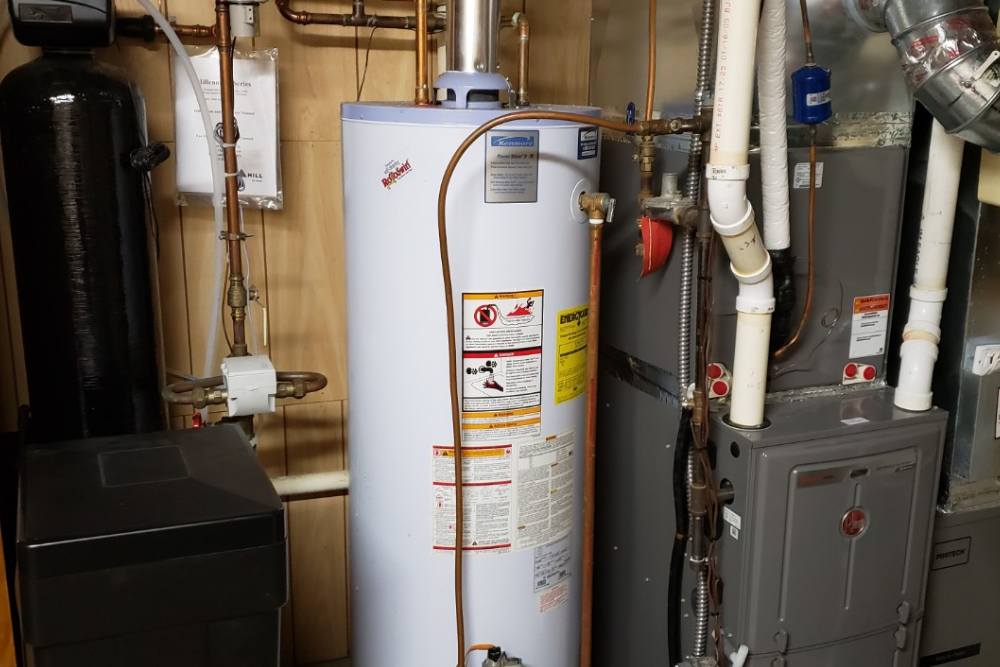
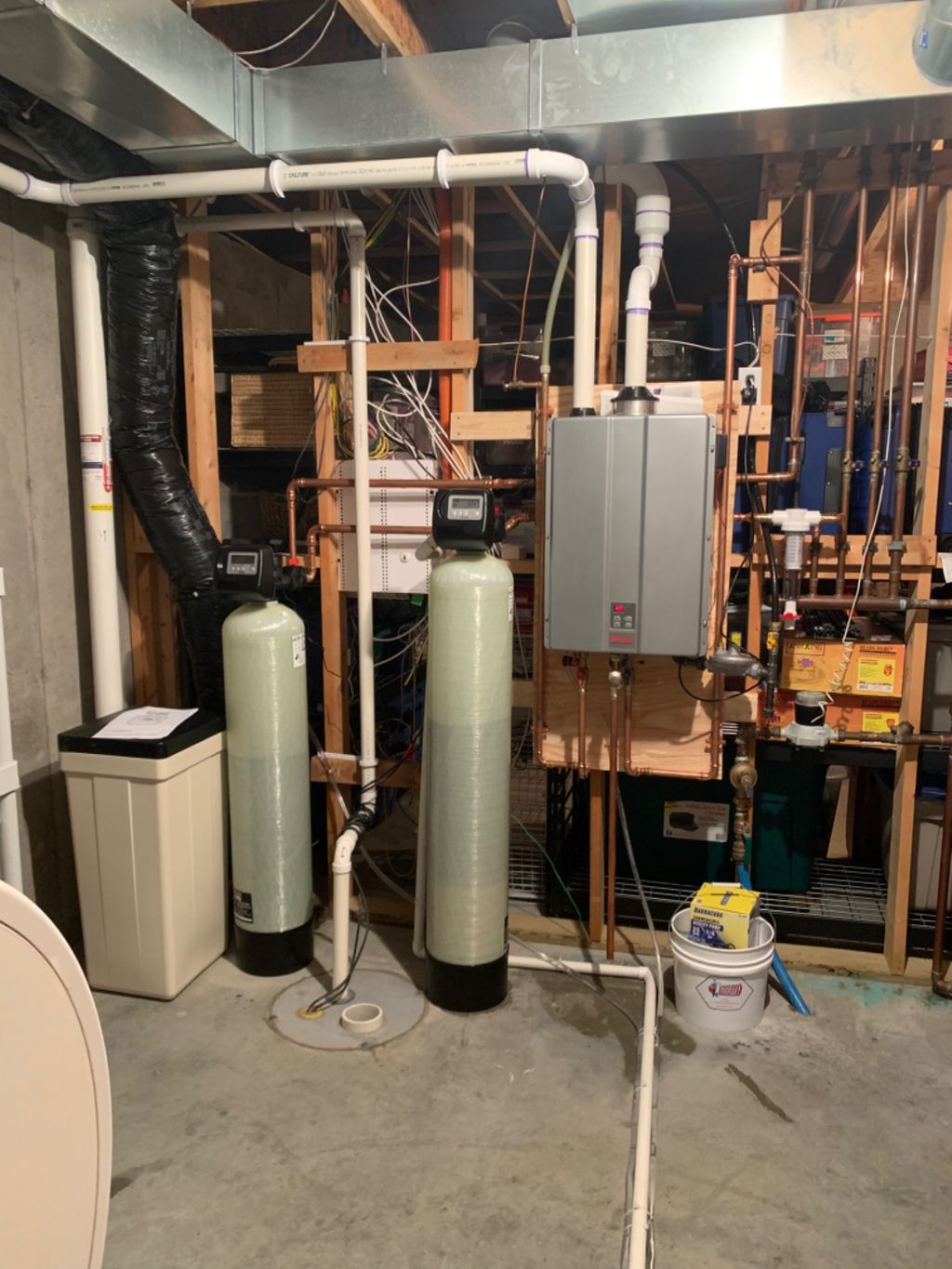
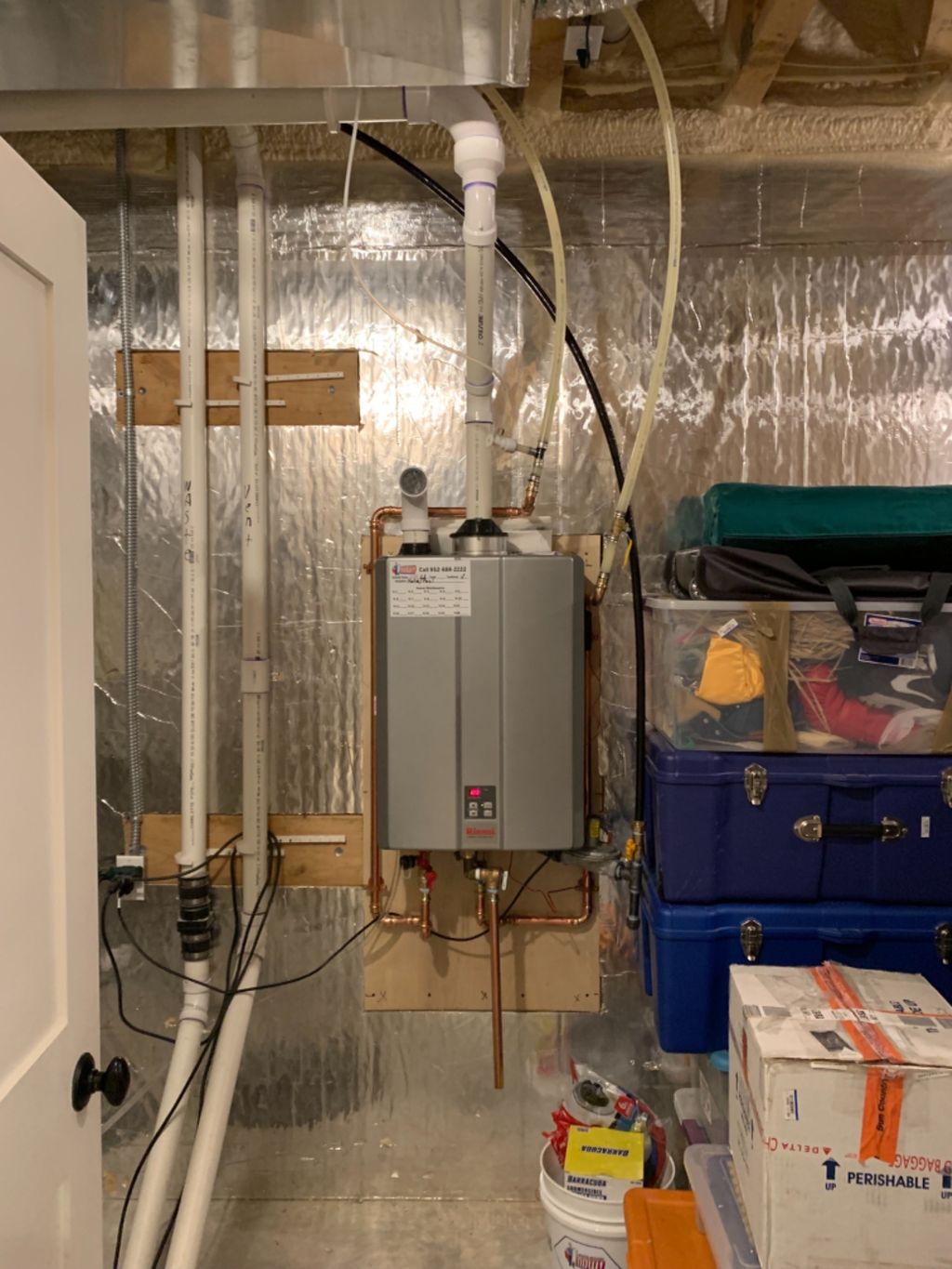
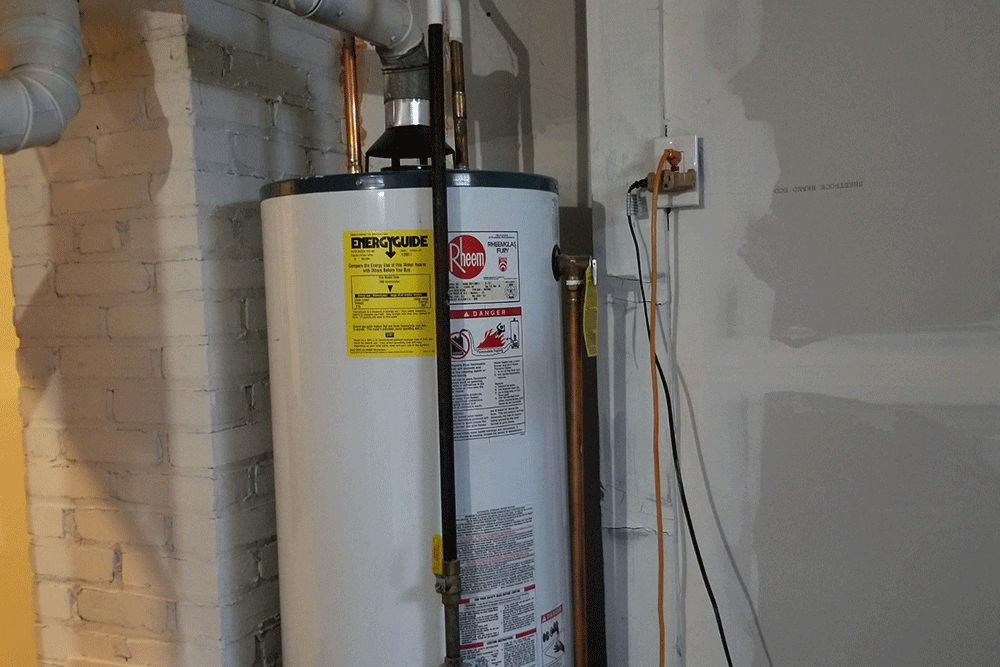
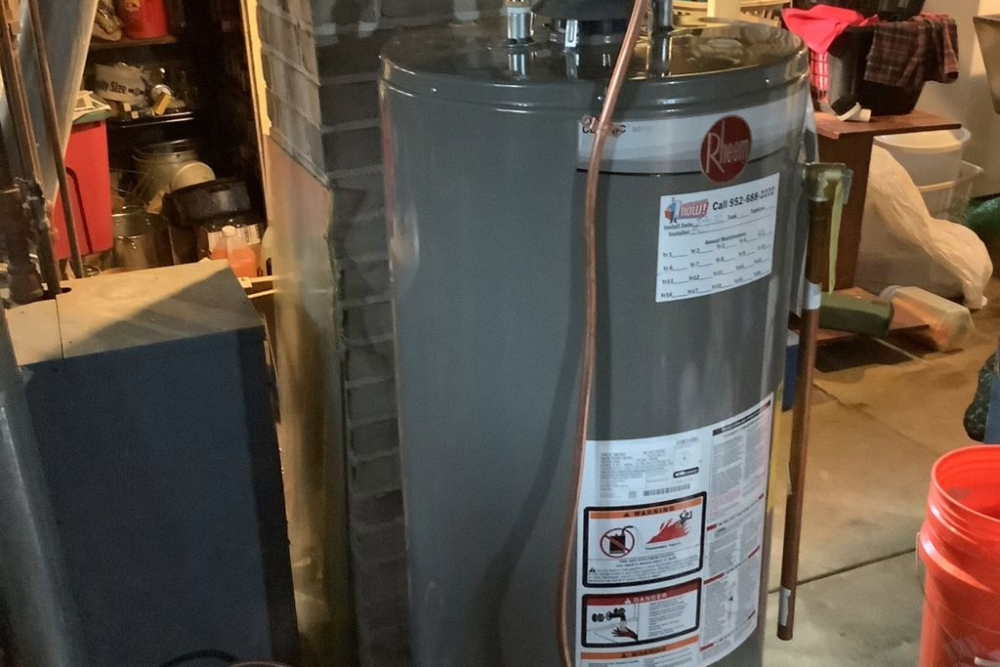
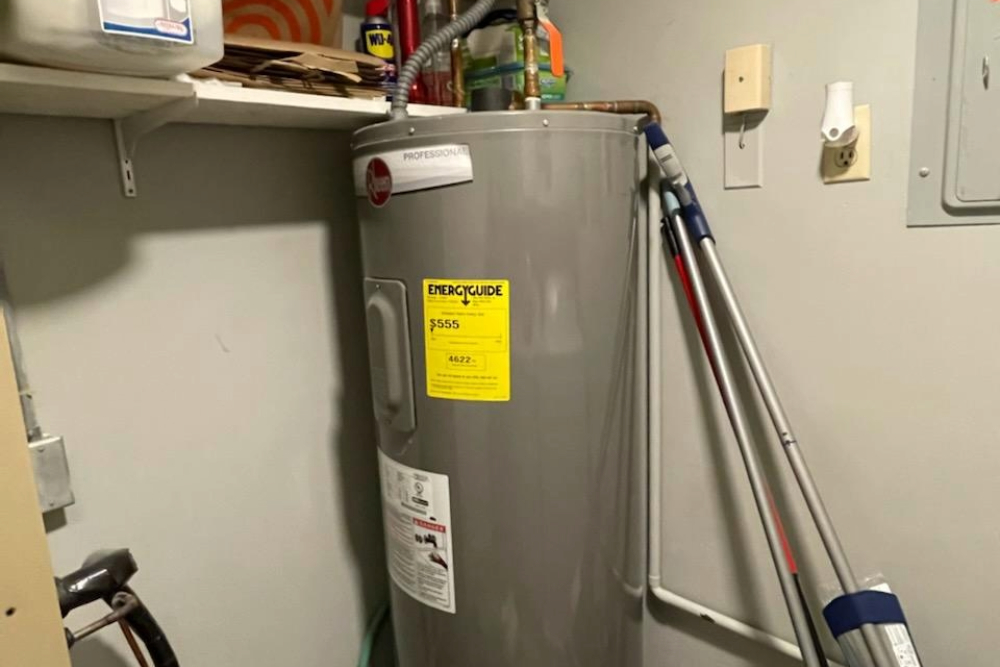
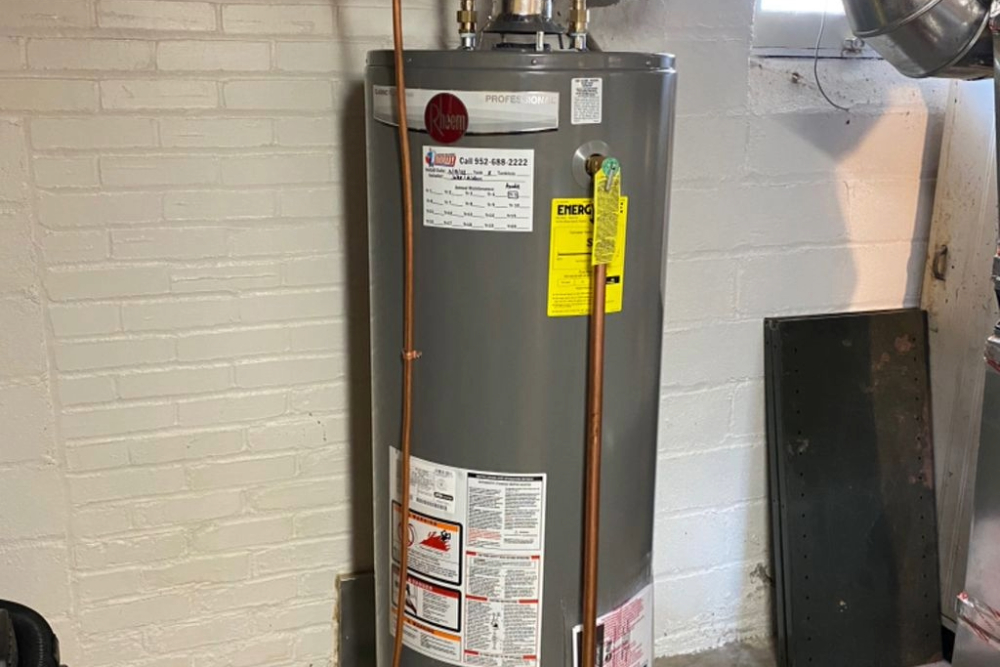
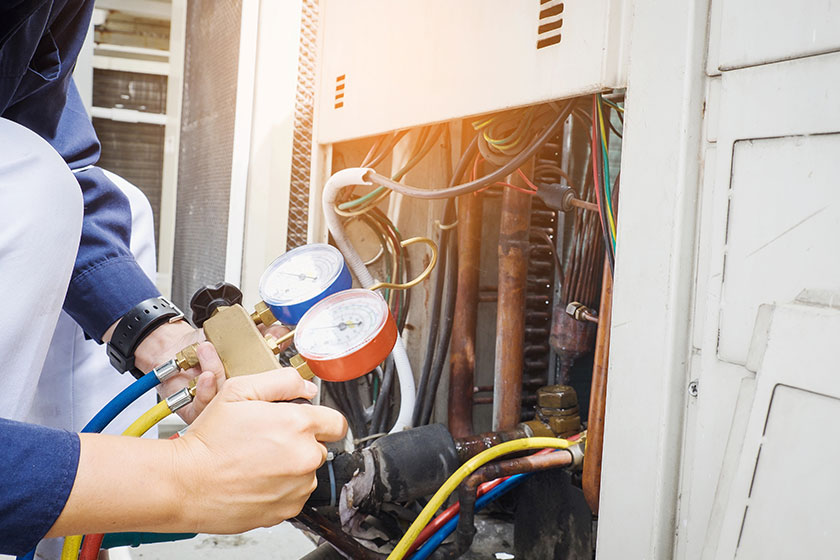
Selecting the right water heating system plays a major role in the comfort of your home, the stability of your monthly utility bills, and the long term performance you experience from your equipment. With so many models and technologies available, it can feel challenging to decide which direction to take. Understanding the differences between propane vs. electric water heaters will help you make a smart choice for your household, with electric systems offering a reliable and widely used solution for many homes.
By looking closely at cost, performance, installation requirements, maintenance needs and environmental considerations, you can move toward the option that fits your lifestyle. This guide walks you through each factor so you can compare both types clearly and pick a model that supports your needs for years to come, with a closer look at why electric water heaters are often the preferred choice for consistent, dependable operation.
How Electric Water Heaters Work
Electric water heaters use heating elements that warm water through electrical resistance. These elements activate when the water temperature inside the tank drops below the thermostat setting. Electric models take longer to heat water compared to propane in some cases, but professional-grade electric water heaters, especially hard-wired 240-volt models, deliver steady, reliable hot water while minimizing maintenance and installation complexity.
Electric systems have straightforward designs with fewer mechanical parts and no combustion involved, making them easier to maintain and safer to operate. They do not require a vent or a gas line, allowing flexible placement in basements, utility rooms, or mechanical spaces.
For most homeowners, electric water heaters provide dependable performance, energy efficiency, and long-term savings, making them a practical choice for a wide range of residential settings.
How Propane Water Heaters Work
Propane water heaters rely on a gas burner that produces a concentrated flame. When the burner ignites, it heats the water inside the tank or inside the heat exchanger of a tankless system. Because combustion produces heat rapidly, propane units typically warm water faster than electric models.
While propane can offer quick recovery times, most homes rely on electric water heaters due to their ease of installation, lower maintenance, and consistent long-term performance. For homeowners without existing propane service, electric systems are often the more practical and cost-effective option.
This speed advantage of propane is appreciated in some high-demand households, but for the majority of homes, professional-grade electric water heaters provide reliable performance and energy efficiency without the need for fuel lines or venting.
Installation Considerations
The installation process plays an important role when choosing your system. Propane heaters require a propane supply line, a gas valve, connection to the fuel source and proper combustion air management. They also require a vent system to carry exhaust safely outside.
Electric water heaters, particularly hard-wired 240-volt models, are simpler to install and do not require fuel lines or venting. Most homes can accommodate electric units without major modifications, and high-capacity models may only require a dedicated circuit or minor electrical upgrades.
Because electric water heaters are easier to install, homeowners often experience faster setup times and fewer complications, making them a convenient and reliable choice for modern homes.
Operating Costs
Your long term operating cost depends on local energy prices. Propane water heaters usually heat water faster, but electric water heaters, especially professional-grade 240-volt units, convert nearly all electrical energy into usable heat, giving them strong efficiency ratings.
For most homeowners, electric models offer predictable monthly bills, lower maintenance costs, and reliable performance without the need for fuel delivery or venting. Over time, professional electric water heaters can provide excellent value, particularly in areas where electricity rates are stable or where homes take advantage of renewable energy programs.
Evaluating your past utility bills helps you see what each option may cost over a ten-year span, and in many cases, electric water heaters provide the most practical combination of efficiency, reliability, and long-term savings.
Environmental Considerations
Environmental concerns are increasingly important in home decisions. Electric water heaters can be highly eco-friendly, especially when your home uses electricity from renewable sources such as wind, solar, or hydro. Hard-wired 240-volt electric models operate efficiently and avoid on-site emissions, making them a cleaner choice for most households.
Propane systems do burn cleanly compared to other fuels and can be a suitable option in rural or off-grid settings where electricity is limited, but for homes connected to a renewable or modern electrical grid, electric water heaters typically offer the greener and more sustainable solution.
By prioritizing electric water heating, homeowners can reduce carbon footprint while still enjoying reliable, high-performing hot water year-round.
Performance and Recovery Time
Performance is one of the first differences homeowners notice. Professional-grade 240-volt electric water heaters provide consistent, reliable hot water and are capable of meeting the demands of most households efficiently. Modern electric units feature advanced insulation, improved thermostats, and hybrid heat pump options that deliver faster recovery times than older models.
While propane systems recover quickly due to rapid combustion, electric water heaters offer steady performance without the need for fuel storage, venting, or additional maintenance. For the majority of homes, electric systems provide dependable results even during periods of high hot water use.
Choosing a high-quality electric water heater ensures reliable hot water availability, energy efficiency, and long-term satisfaction for homeowners.
Reliability and Maintenance
Both propane and electric systems are dependable when properly maintained. Electric water heaters, particularly professional-grade 240-volt units, have fewer mechanical components than propane systems, which reduces the likelihood of issues and lowers maintenance requirements.
Propane systems include additional combustion components such as burners and gas valves that require periodic inspection. Electric units avoid combustion entirely, which minimizes safety concerns and ongoing maintenance needs.
Regular flushing and professional inspections still help extend the lifespan of electric water heaters, ensuring consistent performance and long-term reliability without the complexity of fuel-based systems.
Safety Factors
Safety is critical when evaluating any water heating system. Electric water heaters, especially hard-wired 240-volt models, avoid combustion, fuel lines, and venting, which significantly reduces installation and operational risks.
Propane units involve combustible fuel and require careful venting and gas line management, while electric systems only require adequate electrical capacity and proper circuit protection. Professional installation ensures safe operation, and all high-quality electric water heaters include temperature and pressure relief valves for added protection.
By choosing a professional electric water heater, homeowners can enjoy reliable hot water with minimal safety concerns.
Lifespan and Long Term Value
Both propane and electric water heaters commonly last eight to fifteen years, depending on water quality and usage patterns. Professional-grade 240-volt electric water heaters often exceed these averages due to robust components and lower maintenance needs, providing long-term value and dependable performance.
Propane units may experience minor wear on combustion parts over time. Electric units avoid these issues, and routine maintenance such as flushing and inspections helps maintain efficiency and extend lifespan.
When evaluating long-term value, electric water heaters offer predictable energy costs, lower upkeep, and reliable performance, making them a smart choice for homeowners seeking convenience, efficiency, and long-lasting results.
Choosing the Right Option for Your Home
Choosing between propane and electric models depends on your priorities. For most homeowners, professional-grade electric water heaters provide reliable hot water, consistent energy efficiency, and simplified installation, making them the preferred choice.
Propane systems may appeal to those who need very fast recovery times or live in areas without reliable electricity. However, electric water heaters deliver long-term convenience, predictable operating costs, and lower maintenance requirements for the majority of homes.
Your hot water usage patterns, utility pricing, and home layout all influence the decision. By prioritizing electric water heating, homeowners can enjoy dependable performance, energy savings, and peace of mind with a system that fits modern residential needs.
At Water Heaters Now, we install professional grade electric water heaters that deliver strong performance and dependable results for homeowners. Our team provides same-day water heater services, expert installation and support so you can enjoy consistent hot water without delays or hassle, along with the long-term value of a high-quality electric system.
Few home upgrades make a bigger difference in daily comfort and long-term energy savings than a tankless water heater. Homeowners across North America are trading bulky storage tanks for compact, on-demand systems that heat water only when needed. The result is endless hot water, lower utility bills, and a cleaner, more efficient way to live.
However, when it comes to choosing between an electric vs. propane tankless water heater, the decision goes beyond convenience. It’s about finding the perfect balance between power, cost, and performance that fits your home’s needs.
In colder climates and larger homes, propane systems continue to lead the way with unmatched flow rates and durability. However, electric tankless models have become the top pick for smaller spaces and homes that lack gas service. Understanding how these two technologies differ helps homeowners make the right investment for comfort and efficiency.
Electric Vs. Propane Tankless Water Heater Efficiency and Performance
An electric tankless water heater converts nearly all its energy into heat, with efficiency levels reaching up to 99%. This precision heating means minimal waste and consistent water temperature, even when demand changes. Electric units also skip the need for venting, making them easy to install in tight spaces like condos, basements, or utility closets. Their sleek design and quiet operation make them ideal for smaller properties where every square foot counts.
Despite their efficiency, electric units have a few limits. Most whole-house models offer flow rates of 2 to 5 gallons per minute, which may fall short when multiple showers or appliances run simultaneously. They also require significant electrical power, often requiring a 240-volt dedicated circuit or even an electrical panel upgrade. In provinces and states where electricity costs are high, monthly operating expenses can exceed double what propane users pay.
Propane tankless water heaters bring a different level of performance. Using clean-burning propane, these systems deliver flow rates up to 9.5 gallons per minute, enough to handle multiple fixtures simultaneously without temperature drops. Their quick recovery times eliminate the wait between showers or laundry cycles, while condensing models achieve up to 96% thermal efficiency. Propane burns hotter than electricity can heat, giving these systems a strong advantage in cold climates where incoming water temperatures dip near freezing.
Longevity and Real-World Value
Electric models generally last around 15 years, while propane systems often reach 20 years or more with regular maintenance. In areas with mineral-rich water, annual servicing can extend lifespan and maintain efficiency, especially for gas-fired systems. These maintenance habits protect performance and also prevent scale buildup that can shorten a unit’s life.
Partnering With Water Heaters Now for Expert Installation
At Water Heaters Now, we focus entirely on water heating solutions that deliver long-term performance and savings. Our team installs and services major tankless water heater brands, including the latest high-efficiency electric and propane models. We offer same-day installation, straightforward pricing, and licensed experts who make the process easy from start to finish.
Our water heater repair professionals handle maintenance, diagnostics, and upgrades that keep your system running like new. Need fast service or want to explore your upgrade options? We’re ready to help.
Hot water should never be a compromise. Discover the system that fits your lifestyle and energy goals today. Request your free quote and start saving with a smarter, more efficient tankless solution built to perform for years to come.
Hot water keeps your home running smoothly, from morning showers to evening cleanups. A tankless water heater delivers that comfort instantly and efficiently, but only when it’s sized correctly.
Selecting the right system depends on understanding the tankless water heater sizing chart. When flow rate, temperature rise, and unit capacity align, you’ll have an endless supply of hot water without wasted energy or performance loss.
Understanding the Tankless Water Heater Sizing Chart
A tankless water heater sizing chart helps match your household’s demand with the heater’s performance. This calculation depends primarily on two elements: flow rate and temperature rise. Flow rate, expressed in gallons per minute (GPM), indicates the volume of hot water required when several fixtures are running simultaneously.
For instance, a shower can draw about 2 to 3 GPM, a dishwasher uses 2 to 3 GPM, and a washing machine adds another 3 to 5 GPM. If all three run together, your home could need between 7 and 11 GPM. These numbers are estimates, and actual performance depends on your home’s plumbing layout and water pressure.
Temperature rise refers to how many degrees a unit must heat your incoming cold water to reach your desired tap temperature. If your incoming water is 55°F and you want 120°F hot water, your required rise is 65°F. This calculation becomes more critical in colder climates where water enters the system at lower temperatures.
After determining your required flow rate and temperature increase, you can match those numbers to the performance data in the manufacturer’s chart. For instance, a model rated for 6 GPM with a 70°F temperature lift is capable of supporting normal household demand, even in colder months.
Why BTU Capacity Matters
BTU (British Thermal Units per hour) measures how much heat energy the system produces. A higher BTU rating means the water heater can support more fixtures or handle greater temperature rises. For example, a 199,000 BTU model provides higher output than a 150,000 BTU model, making it suitable for larger homes or small commercial applications.
Your water line size and supply pressure also influence how effectively the unit delivers hot water. If your incoming line restricts flow, even the most advanced system won’t reach its rated capacity. That’s why a licensed plumber should evaluate the water supply line before installation.
Balancing Flow Rate and Efficiency
Choosing a properly sized tankless system improves comfort and efficiency. A unit that’s too small struggles to maintain a consistent water temperature when multiple fixtures run. One that’s too large costs more upfront and may waste energy during lighter use. The goal is balance: meeting your home’s demand without overspending or sacrificing performance.
Homes that run multiple showers, dishwashers, and laundry cycles simultaneously benefit from higher-flow models. Smaller households or single applications, such as a guest suite or remote bathroom, often require less capacity.
Benefits of a Correctly Sized Tankless Water Heater
A correctly sized system delivers steady water temperature and reduces energy use because it heats water only when you need it. This eliminates standby heat loss, a common problem in storage tanks. When your tankless system runs within its designed range, components last longer and maintenance needs drop.
Proper sizing also improves daily convenience. Hot water arrives quickly and consistently, even during peak use. There’s no waiting for recovery time or dealing with lukewarm water midway through a shower. Over time, this efficiency translates to lower energy bills and fewer service issues.
Long-Term Savings and Performance
Investing in the right-sized tankless system creates lasting value. The unit runs efficiently, helping reduce gas or electric consumption and extending its lifespan. A well-chosen water heater can operate for 15 years or longer with proper care, offering both comfort and financial savings year after year.
Work with Water Heater Experts
At Water Heaters Now, we focus exclusively on water heater installation and replacement for homes and businesses across the Twin Cities. Our team has installed thousands of professional-grade systems designed for reliability, performance, and longevity.
We also serve commercial clients with specialized water heating solutions that keep operations running smoothly. From restaurants to multi-unit buildings, our certified technicians handle everything from sizing to installation with precision and speed.
When you’re ready to size your next tankless water heater, we’re here to help. Request your hassle-free quote todayand experience the comfort, efficiency, and reliability that come from working with true water heater experts.
Across the U.S., rising energy bills are becoming a growing concern for homeowners, and heating methods play a major role in that increase. While many households still use natural gas, oil, or electric resistance systems, these conventional options often bring high operating costs and fall short in efficiency.
So, what is the future of home heating in America? That question is gaining more attention as homeowners seek affordable, efficient, and cleaner alternatives. The shift has already begun, and it’s only accelerating.
Home Heating Is a Big Piece of the Carbon Puzzle
Residential heating is a significant contributor to the country’s overall energy use. In the U.S., it accounts for over 40% of household energy consumption, according to the U.S. Energy Information Administration – most of it powered by fossil fuels like natural gas and heating oil.
Each time these systems operate, they emit carbon dioxide and gradually add to the nation’s carbon footprint. That cumulative impact is why heating has become a key issue in climate policy. Reducing emissions on a national scale will require major improvements to how homes are heated.
Why “Net Zero” Is Driving Change
Many states and cities in the U.S. are now setting “net zero” goals. That means they plan to balance the carbon released with carbon removed from the atmosphere.
Net zero does not mean using no energy at all. It means switching to systems that use cleaner energy, waste less, and release little or no carbon.
For homeowners, this means that older systems, especially oil or older gas furnaces, may be phased out over time. However, instead of waiting, many are looking ahead and preparing to switch to new systems before prices go up or regulations tighten.
There Is No Single “Best” Heating System for All Homes
The U.S. has a wide range of housing types and climates. What works in a suburban Texas ranch may not work in a 100-year-old Chicago brownstone. That is why the future of home heating is likely to include a mix of technologies, not just one silver bullet.
Your heating options will depend on several factors:
Local climate
The size and layout of your home
Insulation and air sealing
Whether you have ductwork or radiators
Access to natural gas or electric power
Indoor and outdoor space for equipment
Why Heat Pumps Are Gaining Momentum in the U.S.
Heat pumps are quickly becoming the go-to choice for energy-conscious homeowners. These systems move heat instead of generating it, which makes them incredibly efficient. In mild to cold climates, modern heat pumps can be three to four times more efficient than electric resistance heaters or older furnaces.
There are two common types:
Air-source heat pumps: These pull heat from the outside air—even in winter—and transfer it inside.
Ground-source heat pumps (or geothermal): These use steady underground temperatures to heat and cool the home.
Because they use electricity and do not burn fuel, heat pumps can heat your home with less carbon output. As the grid shifts to more renewable energy like wind and solar, heat pumps will only get cleaner.
The Efficiency Equation
A well-installed heat pump can reduce a home’s heating energy use by 50% or more, but it depends on one big factor: insulation. If your home leaks heat through the attic, walls, or floors, your heat pump will work harder and use more electricity.
That is why builders often pair heat pumps with air sealing and upgraded insulation. It is a full-home system, not just a plug-and-play replacement. Newer homes or homes that have had recent weatherization upgrades are ideal candidates for this kind of heating.
The Downsides of Heat Pumps
While they are efficient, heat pumps are not right for everyone. For one, they require space. You will need outdoor room for the compressor and indoor space for the air handler and, in many cases, a backup heat source.
Furthermore, in extremely cold regions, heat pumps may need to rely on electric resistance coils or a secondary heat source to meet demand. Newer cold-climate models are improving quickly, but backup systems are still common in northern states.
Finally, the initial cost can be a hurdle. A high-efficiency heat pump system can cost several thousand dollars more than a standard furnace, even after tax credits. However, the long-term savings can balance that out over time.
Hydrogen Heating: Still in the Lab for the U.S.
In countries like the UK, hydrogen is being explored as a direct replacement for natural gas. Nevertheless, the U.S. is still in the early stages of testing this option for residential use.
Hydrogen has the potential to be distributed through existing gas lines and used in upgraded furnaces or boilers. One of its biggest advantages is that it burns cleanly and produces only water vapor as a byproduct.
However, this technology remains a long way from widespread residential use in the U.S. Significant infrastructure improvements, rigorous safety testing, and regulatory approval are still needed. While promising, hydrogen is not a near-term option for most homeowners.
Biomethane and Renewable Natural Gas
Utilities across the U.S. are beginning to test renewable natural gas (RNG), which is produced from organic waste such as food scraps, landfills, or agricultural byproducts.
RNG functions like conventional natural gas but does not contribute additional carbon to the atmosphere. It can also be used with existing gas appliances, making it a relatively easy transition.
RNG shows promise, much like hydrogen. However, supply remains limited and distribution is not yet widespread. It is more likely to be adopted first in commercial or municipal settings before becoming a common option for residential use.
Electric Resistance Heating: Simple but Expensive
Electric baseboards and wall heaters are still found in many older homes and apartments, particularly in the western United States. These systems are straightforward to install and cost little upfront, which makes them appealing in certain cases.
Despite the simplicity, electric resistance heating is costly to operate over time. These systems convert electricity directly into heat, but lack the efficiency advantages seen in modern heat pumps.
Although newer models now include smart controls, most experts view electric resistance heating as a backup option rather than a long-term solution for future energy needs.
How Heating Ties into Grid Modernization
As heating systems become more electrified, there will be more demand on the power grid. The grid is already shifting toward clean energy like wind and solar. This means that switching to electric heat can reduce your carbon footprint.
This is why modernizing the grid and rolling out smart controls (like programmable thermostats and time-of-use pricing) will play a huge role in home heating. It is not just about swapping systems—it is about smarter energy use at every level.
Upgrading Now vs. Waiting for the Next Big Thing
You might be wondering: Should I wait for the next innovation, or upgrade now? The answer depends on your current system and your long-term goals. If your current furnace or water heater is more than 10-15 years old, replacing it with a high-efficiency model can still reduce your bills and emissions right now.
Modern gas furnaces and boilers can reach 95% efficiency or more. That means less fuel wasted and more heat for your money. Many of these systems are also compatible with future upgrades, such as smart thermostats or hydrogen-ready burners.
Financial Incentives for Heating Upgrades in the U.S.
Switching to energy-efficient heating is a smart financial move, too. Several federal, state, and local programs now offer rebates, tax credits, and low-interest financing for qualified upgrades.
Under the Inflation Reduction Act, homeowners can receive up to $2,000 in tax credits for installing air-source heat pumps. Additional credits apply for insulation, windows, and smart thermostats. Some utility companies also offer cash rebates for replacing old furnaces, boilers, or water heaters with high-efficiency models.
There is also the High-Efficiency Electric Home Rebate Program, which provides income-based rebates of up to $8,000 for heat pump systems. These incentives are designed to reduce upfront costs and make efficient heating systems accessible to more households.
To maximize savings, homeowners are encouraged to combine these rebates with weatherization improvements like air sealing and upgraded attic insulation.
Insulation: The Hidden Hero of Home Heating
It does not matter how advanced your heating system is if your home cannot hold onto that heat. Insulation and air sealing are key to making any heating upgrade worth the investment.
Heat tends to escape through attics, uninsulated walls, old windows, and drafty doors. This forces your heater to work harder and stay on longer. By insulating and sealing these areas, you can reduce heat loss and improve indoor comfort, often for less money than you might expect.
The Department of Energy notes that proper insulation can cut your heating and cooling bills by up to 20%. That kind of saving adds up quickly, especially during winter in cold-weather states like Minnesota.
Water Heating Deserves Equal Attention
Many homeowners focus on space heating but forget about their water heater, which can account for up to 18% of a home’s energy use. Older units often run inefficiently and have shorter lifespans.
High-efficiency tank-style and tankless water heaters use less energy, deliver hot water faster, and take up less space. Heat pump water heaters are also becoming more common and they use up to 70% less electricity than standard electric units.
Ready for Real Heating Solutions?
At Water Heaters Now, we make heating upgrades simple. From efficient water heaters to next-gen commercial systems, we bring clarity, speed, and honest guidance. We are not just another plumbing company; we are your heating experts in Minnesota.
Your water heater works hard every day, supplying hot water for showers, laundry, dishes, and cleaning. Over time, that demand leads to wear, leaks, noise, and even system failures.
Many people don’t notice anything is wrong until they’re suddenly out of hot water. Small issues, when ignored, can grow into costly repairs. Spotting water heater problems early helps avoid long-term damage and rising utility bills.
No Hot Water at All
Turning on a tap and getting cold water is one of the most common complaints. For electric heaters, this usually means a tripped breaker or a failed heating element. Gas models may have an extinguished pilot light or a malfunctioning gas valve.
Check the breaker box first. If everything looks normal, inspect the thermostat and heating elements. Gas units may need the pilot light re-lit or the valve inspected. If you smell gas, contact a technician immediately.
Not Enough Hot Water
Getting hot water that fades fast often points to a thermostat set too low or a failed element in an electric unit. In gas systems, sediment inside the tank can reduce the space for heated water or slow down heating.
Try flushing the tank to remove sediment. Adjust the thermostat to about 120°F. If the problem continues, a faulty element or burner could be the cause.
Water Is Too Hot
Scalding water is not just uncomfortable. It can be dangerous, especially for kids or older adults. An overheated tank also increases pressure, which can lead to leaks or even tank rupture.
Check the thermostat. Sometimes it gets bumped accidentally. Keep it between 120°F and 125°F. If it is already at that setting and still too hot, the thermostat might be stuck or malfunctioning. Replacing it is often simple but must be done carefully with the power off.
Water Leaking from the Tank
Leaks are a serious concern with any water heater. A small drip can slowly flood a basement or utility closet. Leaks usually come from a failed T&P valve, loose fittings, or corrosion at the base of the tank.
Start by tightening any loose connections at the cold water inlet or hot outlet. If the temperature and pressure relief valve is leaking, test and replace it. If the leak is coming from the tank itself, especially near the base, the entire unit likely needs to be replaced.
Strange Noises from the Tank
Popping, banging, or rumbling sounds are often caused by sediment buildup inside the tank. As sediment hardens, it traps water underneath. When that water heats up, it makes loud popping noises as it escapes.
These sounds do not always signal danger, but they do signal wear. They reduce efficiency and shorten the lifespan of the tank.
Turn off the heater and flush the tank completely. If the sound returns after flushing, the buildup may be too solid. In that case, a professional may need to inspect the tank for damage or recommend replacement.
Discolored or Rusty Water
When hot water turns yellow, brown, or reddish, it is often more than just a cosmetic issue. The discoloration usually points to rust or corrosion, either inside the water heater tank or somewhere in the home’s plumbing system.
It is most common in older tanks where internal components begin to break down over time. If the water only looks discolored when the hot tap runs, the issue likely starts in the heater.
A good first step is to flush the tank. Sediment and rust can collect at the bottom over the years, especially if the anode rod has started to fail. The anode rod is a long metal piece inside the tank designed to attract minerals and rust, protecting the rest of the unit. If it wears out or becomes too coated, corrosion begins to spread to the tank itself.
If flushing the tank doesn’t solve the issue, check the anode rod. If it’s worn down or heavily corroded, replacement is likely needed. But if both hot and cold taps show discoloration, the cause may lie in aging iron pipes rather than the heater itself. In that case, it’s best to contact a licensed plumber for inspection and repair.
Foul-Smelling Hot Water
Hot water that smells like sulfur or rotten eggs is unpleasant and often surprising. That smell typically comes from bacteria reacting with the anode rod inside your tank. It is more common in homes that use well water, which can carry more natural bacteria than treated municipal sources. The bacteria are harmless, but the smell can make it feel like something is seriously wrong.
Start by draining the tank completely, then disinfect it using a safe mix of hydrogen peroxide and water. This helps eliminate bacteria that may be causing odor inside the tank or piping. Always turn off the gas or electricity beforehand, and follow your unit’s manufacturer instructions when draining and cleaning the system.
Once cleaned, consider replacing the standard anode rod with an aluminum-zinc version. This type of rod is better at resisting the chemical reaction that causes the sulfur smell. If the odor keeps coming back, you might also need a whole-house water filtration system to treat the water before it enters the heater.
Pilot Light Keeps Going Out (Gas Models)
A pilot light that won’t stay lit may point to more than a simple annoyance. It often signals an issue with one of the heater’s safety components, such as the thermocouple, pilot line, or gas control valve. These parts work together to maintain safe operation. If any of them fail or become dirty, the gas supply shuts off automatically.
Begin with the thermocouple. This small sensor sits beside the pilot flame and detects heat. If it’s dirty or misaligned, it may stop sending the signal needed to keep gas flowing. Gently clean the surface with fine sandpaper or replace it if damaged. Be sure the flame makes direct contact with the thermocouple tip.
If that doesn’t fix the issue, check the pilot line for obstructions. Dirt, corrosion, or dust can block gas flow. Lastly, inspect the gas control valve. A faulty valve may not open or close as needed. Take caution when working with gas appliances, and if you ever smell gas or feel uncertain, call a professional immediately. Safety always comes first.
Low Water Pressure from Hot Taps
When hot water pressure drops while cold water pressure stays normal, the likely cause is inside the water heater. Mineral buildup or a damaged dip tube can restrict flow.
Check the dip tube for signs of wear or cracks. Replace it if necessary. Flush the system and examine the hot water lines for blockages. In older homes, galvanized steel pipes may have hardened buildup that restricts flow and requires replacement.
Water Takes Too Long to Reheat
If your water heater seems to take forever to recover after one or two showers, there may be an issue with the thermostat, burner, or size of the unit. This is a common frustration in homes with high hot water demand or aging systems.
In electric heaters, a malfunctioning lower element can cause this. For gas models, it might be a dirty burner or venting problem. Undersized tanks can also run out of hot water quickly and recover too slowly.
Start by checking the thermostat. If it is working properly, test both heating elements in electric models. If only one is active, the recovery rate will drop by half. Clean any sediment inside the tank. For gas units, inspect the burner for dirt, rust, or debris.
Make sure the venting system is clear and working. If none of these solves the problem, your water heater might simply be too small for your household’s needs.
Water Heater Is Too Old
Water heaters do not last forever. A typical tank-style heater lasts around 8 to 12 years. After that, the risk of leaks, inefficiency, and part failures rises sharply. You might start seeing rust-colored water, inconsistent temperatures, or higher energy bills. You may also hear more noise from the tank as sediment continues to harden.
Many homeowners wait until a full failure happens. But older systems become more expensive to maintain with each passing year.
Look at the unit’s serial number or installation tag to find the age. If your heater is past 10 years old and showing signs of wear, it is time to consider replacement. A newer model will perform more efficiently and reliably. Modern units often include better insulation, improved recovery rates, and upgraded safety features. Tankless models may be a good fit for homes that want continuous hot water and better energy performance.
Let Us Handle Your Water Heater Problems
At Water Heaters Now, we deal with these water heater problems every day. We do not just fix the symptoms; we help you find the right long-term solution. From fast replacements to tankless upgrades, we handle the work cleanly, professionally, and on your schedule.
Commercial water heaters work nonstop in restaurants, offices, warehouses, and other high-demand settings. They power restrooms, dishwashers, and even sterilization processes. While these systems are built to last, no unit runs forever.
Understanding commercial water heater life expectancy can help facility managers avoid costly breakdowns. Early signs of aging often appear long before complete failure, and recognizing them gives you time to plan.
How Long Does a Commercial Water Heater Last?
Understanding commercial water heater life expectancy is key to avoiding downtime and costly breakdowns. A well-maintained unit can last anything over 10 yearsanywhere from 20 to 30 years, and in some cases, even beyond 40. Lifespan depends on the system type, how often it is used, and the level of care it receives over the years.
Gas models often wear out faster than electric ones due to the higher heat output. But all systems begin to show signs of wear over time. Regular maintenance can extend the life, but it cannot make the unit last forever.
Once your unit hits 1020 years, pay closer attention. It might still work, but it becomes more prone to small issues that add up over time. If you are fixing the same problem more than once, you may be closer to a replacement than you think.
Common Signs That Point to Aging
Commercial units often fade gradually rather than fail suddenly. Look out for these warning signs:
Fluctuating water temperatures, especially during peak demand
Leaks around fittings or beneath the tank
Rust spots or discoloration, which may point to internal corrosion
Loud banging or popping, often caused by sediment buildup
These issues usually indicate that the unit is working harder to keep up, often with lower efficiency.
Repair or Replace? Know the Right Time
Just because your water heater is old does not mean you need to replace it right away. In many cases, basic repairs like replacing valves, thermostats, or heating elements can solve the issue.
But replacement becomes a better move when the unit:
Has passed 1020 years of age
Requires frequent repairs
Shows signs of rust or water damage
Struggles to meet current water demand
Is driving up energy bills due to inefficiency
When these problems stack up, repair costs can outpace the price of a new unit. A newer system will also come with better energy performance and modern safety features.
The Risk of Delaying Replacement
Waiting too long can lead to system failure at the worst time. Commercial water heaters usually support daily business functions. So, downtime hits hard. Imagine no hot water during lunch rush at a restaurant. Or in the middle of a hotel’s weekend bookings.
A failed water heater may also cause flooding or major building damage. Old seals crack. Tanks rupture. If the unit is in a hidden area like a closet or mechanical room, damage can spread before anyone notices.
Planned replacement lets you choose the right time and budget. You avoid emergency fees, downtime, and unhappy tenants or customers.
What Impacts a Unit’s Lifespan?
Different factors affect how long a commercial water heater will last.
Water quality: Hard water adds mineral buildup, which wears out the system faster.
Usage level: High-demand facilities like hotels or gyms wear out units quicker than office break rooms.
Installation: Proper installation matters. A poorly sized or placed unit will struggle more and last less.
Maintenance: Regular flushing, inspections, and part replacement slow down wear and tear.
Skipping routine care often shortens the lifespan by several years. A unit may still heat water, but it will cost more in energy and maintenance.
Options for Replacement
If it is time for a replacement, you have choices. Consider tankless options if your building can support it. They offer longer lifespan, energy savings, and on-demand hot water delivery. Traditional tank models still work great for predictable demand and lower upfront costs.
Commercial water heater sizing matters too. An oversized unit will waste energy and increase operating expenses. An undersized one will struggle to meet peak usage requirements. You need the right fit for your space, usage, and plumbing system to maintain reliable performance.
Let Water Heaters Now Help You Make the Right Call
If your business is dealing with an outdated or struggling unit, let us take a look. We bring expert insights, same-day service, and a no-pressure approach to every job.
Explore our full range of water heater services today and keep your building’s hot water flowing smoothly.
Losing hot water halfway through a shower is frustrating. The size of your water heater plays a direct role in comfort, energy consumption, and monthly utility costs. When comparing a 40 vs. 50-gallon water heater, the difference can shape your household’s experience for years to come.
Size and Space
A 40-gallon water heater is smaller in both capacity and size. It typically measures about 60 inches tall and 20 inches in diameter. This makes it a good option for homes with limited space. You might find these in townhomes, apartments, or smaller utility rooms.
The 50-gallon unit, on the other hand, takes up more space. It usually stands taller and has a larger diameter. If your home has the square footage, a 50-gallon unit offers more hot water before needing a refill.
You will want to consider not just the tank size but also the clearance needed around it for maintenance and airflow.
Hot Water Usage: How Much Does Your Household Really Need?
When comparing a 40 vs. 50-gallon water heater, the right size often comes down to your household’s daily hot water habits. Smaller households, such as couples or families of three, typically do well with a 40-gallon tank. If water use is staggered and laundry loads run on cold cycles, the smaller unit can meet regular needs without issue.
For larger families or homes with four or more people, a 50-gallon water heater may be the better option. Morning routines with overlapping showers, back-to-back appliance use, and higher overall demand often stretch the limits of a smaller tank. In these cases, the larger capacity helps maintain comfort and avoids delays between tasks.
Recovery Rate: How Fast Does the Water Heat Back Up?
The recovery rate tells you how quickly a water heater refills with hot water after someone uses it up. A larger tank does not always heat faster, but many 50-gallon units come with stronger heating elements or burners.
Gas water heaters typically recover faster than electric models. A 50-gallon gas water heater may recover enough hot water in 30 to 40 minutes. A 40-gallon electric model might take over an hour.
This matters if your family takes back-to-back showers or runs multiple hot water appliances at once. Faster recovery keeps everyone happy.
Energy Usage and Efficiency
While a 50-gallon tank holds more water, it does not always use more energy. Many newer 50-gallon heaters feature better insulation and energy-saving modes. Some include smart thermostats that adapt to your usage patterns.
A 40-gallon heater will use slightly less energy overall, but it may work harder if it runs out frequently. Reheating cold water multiple times each day uses more power than keeping one steady tank warm.
You might also compare energy factor (EF) ratings or uniform energy factor (UEF) scores when looking at specific models. These numbers tell you how efficiently the unit converts energy into heat.
Cost Breakdown: Upfront vs. Long-Term Spending
Initial cost is often the first thing homeowners notice. A 40-gallon tank usually costs less to buy and install. It uses fewer materials, weighs less, and often takes less time to hook up.
A 50-gallon tank costs more upfront. The price gap can be a few hundred dollars. However, if you often run out of hot water, the added comfort and time saved may outweigh the price difference.
Look at your monthly energy bills, too. A slightly higher investment may lower your long-term costs if the unit heats more efficiently or reduces your daily reheating cycles.
Installation Requirements and Considerations
Installing a larger water heater requires more room. You might need to upgrade venting, change gas lines, or modify electrical setups. These adjustments can raise your installation cost.
If your utility closet or basement is tight, a 40-gallon unit might be the better fit. It usually installs faster, with fewer changes needed. If you have space and your installer can handle the adjustments, a 50-gallon unit could add value without too much extra effort.
In some cities, building codes or regulations may impact your options. Always check with a local installer to understand the requirements in your area.
Lifespan and Maintenance Differences
Both sizes offer similar lifespans. On average, a standard tank water heater lasts between 8 and 12 years. The lifespan depends more on the unit’s quality, installation, and maintenance than its size.
Larger tanks may need stronger anode rods or regular flushing, especially if your home has hard water. Sediment buildup can reduce efficiency and shorten the unit’s life.
With either size, annual maintenance can help extend performance. Tasks like draining the tank, checking the pressure relief valve, and inspecting the anode rod can make a noticeable difference.
Feature Set and Upgrades
Fifty-gallon models often come equipped with a broader range of built-in features. Wi-Fi control, energy-saving vacation modes, faster recovery times, and more sophisticated digital interfaces are frequently included. Some units in this size category also offer dual heating elements or hybrid-electric technology, which further boosts performance.
Smaller 40-gallon tanks usually prioritize simplicity and compact design. While many still include solid temperature regulation and essential safety features, they tend to limit high-tech upgrades to stay budget-friendly. If you are planning a smart home or looking to boost energy efficiency, the advanced options available in 50-gallon units may be a better match.
Still, that does not mean 40-gallon heaters are outdated. Many current models support basic electronic control panels and eco-friendly temperature settings. The difference often comes down to convenience and the ability to customize performance.
Environmental Impact
Heating more water requires more energy, and naturally, a larger tank holds more water at all times. However, the environmental tradeoff depends on how hot water is actually used in your household.
A home that regularly uses large volumes may benefit from a 50-gallon tank that avoids constant reheating. On the other hand, a single resident or a couple may waste less energy by going with a smaller model.
In both cases, features like timer controls and high-efficiency insulation can reduce standby heat loss – energy wasted while keeping water hot between uses. ENERGY STAR certification is a helpful guide when evaluating a model’s environmental performance.
Smart water heaters with learning modes and adaptive settings can also help reduce your carbon footprint while keeping up with daily routines.
Real-World Scenarios and Household Examples
A retired couple in a two-bedroom home might never use more than 30 gallons at a time. For them, a 40-gallon heater covers daily needs with no waste.
In contrast, a family of five with kids who shower at the same time and do daily laundry could burn through 40 gallons fast. A 50-gallon unit helps them avoid cold showers and waiting between loads.
The right answer comes down to your rhythm. Think about your mornings. Consider your laundry habits. Count the bathrooms and think about future guests. That is where the decision lives.
Let Water Heaters Now Help You Choose the Right Fit
At Water Heaters Now, we install both 40- and 50-gallon units across the Twin Cities every day. We help homeowners pick the size that works. From space checks to energy tips, we handle it all with no pressure. For both residential and commercial installations, we make the entire process easy and honest. Ready to upgrade? Let us help you get hot water that fits your lifestyle.
Commercial water heaters support daily operations in restaurants, hotels, hospitals, and other businesses. Without regular upkeep, they can become inefficient, leading to higher energy bills and unexpected failures. A structured maintenance routine keeps them working properly as well as prevents costly downtime, and this commercial water heater maintenance checklist serves as your guide so that you can make sure your system works properly all the time.
Introduction to Preventive Maintenance
Commercial water heaters operate under continuous demand, which makes regular servicing necessary to keep them performing well. Preventive maintenance not only helps prevent breakdowns but also improves overall efficiency, reducing energy waste and operating expenses. Regular inspections can identify minor issues before they turn into costly problems.
A well-maintained water heater commercial system reduces the likelihood of unexpected failures that can disrupt business operations. By addressing maintenance on a routine schedule, companies can extend the life of their equipment and improve reliability. A proactive approach also helps maintain water quality, preventing sediment buildup that can affect performance.
Business owners and facility managers should follow a structured maintenance plan that includes routine checks, cleaning, and part replacements. By doing so, they can improve energy efficiency while minimizing the risk of operational interruptions.
Safety Precautions Before Maintenance
Before starting any maintenance, safety steps must be followed to prevent injuries or damage. Turning off the power supply and shutting off the gas valve (for gas-powered units) helps avoid electrical hazards and leaks. Allowing the system to cool down reduces the risk of burns, especially when draining or inspecting internal components.
Protective gear, such as gloves and safety glasses, should be worn to prevent exposure to hot surfaces or chemicals. A well-ventilated space is necessary when working with gas heaters to prevent carbon monoxide buildup. Keeping a fire extinguisher nearby adds an extra layer of precaution in case of unexpected issues.
Checking for any gas leaks before maintenance begins is also important. A smell of gas or hissing sounds near the unit could indicate a leak that needs immediate attention before continuing with inspections or repairs.
Visual Inspection of the Unit
Regular visual inspections help identify problems before they worsen. Signs of corrosion, rust, or moisture around the tank and pipes may indicate leaks that need to be addressed. Checking the exterior of the heater for dents or cracks sees to it that the unit remains structurally sound.
Unusual odors or discoloration on the tank could suggest internal issues, such as overheating or sediment buildup. Water stains on the floor near the heater often point to minor leaks that, if ignored, could lead to major damage over time. Keeping an eye on these warning signs helps prevent bigger repairs down the road.
Inspecting the unit for dust or debris buildup is also important. A clean surrounding area helps maintain airflow and reduces the risk of overheating, improving overall performance.
Inspection of Inlet and Outlet Pipes
The inlet and outlet pipes control the water flow into and out of the heater, making them vital to its operation. Over time, mineral buildup inside the pipes can restrict water pressure and reduce heating efficiency. Regular checks help identify obstructions before they cause performance issues.
Leaks in these pipes can result in wasted water and increased utility costs. Even small drips can add up over time, leading to higher expenses and potential water damage. Checking for wet spots or rust near the pipe connections can help spot early signs of trouble.
Insulating both the hot and cold water lines improves efficiency by reducing heat loss and preventing freezing in colder climates. Proper insulation helps maintain consistent water temperature while lowering energy consumption.
Testing the Temperature and Pressure Relief (T&P) Valve
The T&P valve prevents excessive pressure buildup inside the tank. If this valve malfunctions, the risk of overheating or tank failure increases. Regular testing confirms that it is functioning properly and releasing pressure when needed.
Lifting the valve’s lever should cause a brief discharge of water before it stops. If no water comes out or it continues flowing after releasing the lever, the valve may be faulty and require replacement. A working T&P valve is necessary for keeping the system safe.
Mineral deposits can sometimes cause the valve to stick, reducing its effectiveness. Regular flushing helps keep it clean and in good working order, preventing unexpected malfunctions.
Examination of the Anode Rod
The anode rod protects the tank from corrosion by attracting minerals that would otherwise damage the interior lining. Over time, this rod deteriorates and needs replacement to continue safeguarding the tank. A worn-out anode rod leaves the tank vulnerable to rust.
Checking the rod for signs of heavy corrosion can help determine if it needs to be replaced. A rod that is completely deteriorated should be swapped out as soon as possible to prevent long-term damage. Different types of anode rods are available, including magnesium and aluminum, depending on water conditions.
Flushing the tank regularly helps extend the life of the anode rod by reducing mineral buildup. A clean tank puts less strain on internal components and keeps the system working efficiently.
Draining and Flushing the Tank
Sediment buildup inside the tank can cause inefficiencies, making the heater work harder to produce hot water. Draining and flushing the system helps remove these deposits, improving performance and prolonging its lifespan. Businesses in areas with hard water should flush their heaters more frequently.
The process involves shutting off the power or gas supply, attaching a hose to the drain valve, and allowing the water to flow out completely. Once drained, fresh water should be run through the tank to clear out any remaining debris. This prevents clogging and restores proper heating capacity.
If the heater makes rumbling or popping sounds, it may be a sign of excessive sediment accumulation. Flushing helps eliminate these noises while improving overall efficiency.
Inspection of the Heating Element
Electric water heaters rely on heating elements to warm the water. Over time, these components can degrade or become coated in mineral buildup, affecting their ability to heat efficiently. Regular inspections help prevent temperature inconsistencies.
A heating element covered in scale may require cleaning or replacement. If the heater is struggling to reach the desired temperature, one or both elements may be faulty. Testing them periodically helps so that they are functioning as expected.
Gas-powered units should have their burner assembly inspected for dirt, rust, or blockages. A clean burner allows for proper combustion and maintains steady heating performance.
Thermostat Check and Adjustment
The thermostat controls water temperature and should be set to an appropriate level for business needs. If it is set too high, it can lead to excessive energy consumption and scalding risks. If set too low, it may not have enough hot water for operations.
Checking the thermostat’s accuracy helps confirm that it is maintaining the correct temperature. A malfunctioning thermostat can cause erratic heating, leading to fluctuations in water temperature. If adjustments do not resolve the issue, replacing the thermostat may be necessary.
For businesses with varying hot water demands, installing a programmable thermostat can improve efficiency. This allows adjustments based on peak and off-peak usage times.
Assessment of Insulation
Proper insulation keeps heat loss to a minimum, improving overall system performance. Checking the insulation around the heater and pipes helps maintain consistent temperatures and reduces energy waste. Older units may require additional insulation to improve efficiency.
If insulation appears worn or damaged, it should be replaced to prevent unnecessary heat loss. Foam pipe insulation is an effective way to protect against energy waste while keeping water temperatures stable.
In colder climates, insulating the water heater and exposed pipes can prevent freezing. This reduces strain on the system and helps avoid unexpected breakdowns during the winter months.
Inspection of Venting Systems
For gas water heaters, proper ventilation is necessary for safe operation. Checking the venting system makes sure that exhaust gases are being safely directed outside. Any blockages in the venting pipes can cause dangerous carbon monoxide buildup.
Signs of improper venting include soot around the burner, yellow flames instead of blue, or a musty odor near the unit. If any of these issues are present, the venting system should be inspected immediately.
Regularly clearing dust, debris, or obstructions from vents keeps air flowing freely and helps prevent operational hazards. Well-maintained ventilation supports a safer work environment.
Replacing Worn-Out Parts
Like any mechanical system, water heaters experience wear over time. Identifying and replacing failing components before they break helps avoid unexpected failures. Common parts that require replacement include thermostats, heating elements, anode rods, and valves.
Regular maintenance helps detect worn-out components before they lead to bigger issues. A failing part can place additional strain on the system, reducing its efficiency. Keeping replacement parts on hand can speed up repairs when needed.
For businesses with high hot water demands, scheduling routine inspections with a technician can help determine when parts need replacement. This keeps the system running smoothly and minimizes disruptions.
Checking for Strange Noises During Operation
Unusual sounds coming from a water heater can signal underlying problems that need attention. Popping or rumbling noises often indicate excessive sediment buildup inside the tank, which makes the heater work harder and reduces efficiency. If left unchecked, this buildup can lead to overheating and potential damage to internal components.
High-pitched whistling or hissing sounds may suggest pressure issues or a partially closed valve restricting water flow. These noises can also point to mineral buildup in the pipes or heating elements. Addressing these issues early helps maintain consistent performance and prevents unnecessary wear on the system.
If the heater emits banging or knocking sounds, it could be caused by water hammering, a problem that occurs when water flow is suddenly stopped or redirected. Installing water hammer arrestors or adjusting pipe support brackets can help reduce these noises and prevent damage to the plumbing system.
Monitoring Energy Consumption and Performance
A sudden increase in energy bills may indicate that the water heater is struggling to maintain efficiency. If heating cycles become longer or the unit requires more power to produce the same amount of hot water, it may be time for an inspection. Monitoring energy consumption can help detect inefficiencies before they lead to costly repairs.
Comparing current energy usage to previous months can reveal patterns that indicate a drop in performance. If the unit is consuming more power without any noticeable increase in hot water demand, sediment buildup, a failing heating element, or thermostat issues may be to blame. Keeping track of these changes allows businesses to take corrective action before problems escalate.
Upgrading to a more energy-efficient model may be worth considering if an older unit is consuming excessive power. Modern commercial water heaters often feature advanced technology that improves heating efficiency while reducing operational costs over time.
Keeping a Maintenance Log for Long-Term Performance
Maintaining a record of inspections, repairs, and servicing helps businesses track the overall health of their water heater. A detailed log allows facility managers to identify recurring issues and schedule maintenance at appropriate intervals. This documentation is useful for budgeting repairs and planning for future replacements.
Recording information such as temperature settings, component replacements, and flushing schedules helps so that maintenance tasks are completed on time. Keeping receipts and notes from professional servicing can also be helpful for warranty claims and troubleshooting.
A maintenance log simplifies communication when multiple team members or service providers are involved in equipment upkeep. Having a clear history of past maintenance makes diagnosing future issues easier and helps avoid unnecessary repairs.
Keeping Your Commercial Water Heater Running Efficiently
At Water Heaters Now, we specialize in commercial water heater installation and repair to keep your business running smoothly and uninterrupted. If you are in need of routine servicing, emergency repairs, or a new system installation, our team is ready to assist. We work with all types of water heaters to give you reliable, long-lasting solutions.
For expert commercial water heater service, contact us at 612-439-2957. Our technicians are available to handle inspections, part replacements, and full system upgrades to meet your business’s needs. Let us help you maintain a dependable hot water supply throughout the year.
Switching to a tankless water heater can transform your home’s energy efficiency, comfort, and convenience. These modern systems offer on-demand hot water, reduce utility costs, and free up valuable space. In this guide, we’ll explore key aspects of tankless water heater installation, cost considerations, and why this upgrade is a wise investment for those seeking long-term benefits and sustainability.
Key Advantages of Tankless Water Heaters
Tankless water heaters are also called on-demand or instantaneous heaters. They provide several advantages over traditional storage-based water heaters. Instead of storing hot water in a tank, these units heat water as it flows through the system. This makes them more energy-efficient and convenient for busy households.
One of the most significant benefits of a tankless system is its ability to deliver endless hot water. With traditional models, once the hot water in the tank runs out, you have to wait for it to reheat. In contrast, tankless heaters supply hot water continuously. Hence, multiple faucets or showers can be used at the same time without running out.
Additionally, tankless units offer increased energy efficiency. These systems only heat water when it’s needed, unlike traditional heaters that keep a full tank of water hot around the clock. This can result in energy savings of 24% to 34%, depending on your household’s hot water usage. Over time, these savings can significantly reduce utility bills.
Tankless water heaters are also compact. They take up much less space compared to traditional water heaters with bulky storage tanks. This is especially beneficial for homes with limited storage. The smaller size makes tankless systems easy to install in various locations, such as closets, garages, or utility rooms.
Another key advantage is their long lifespan. Tankless water heaters can last up to 20 years with proper maintenance, nearly double the life expectancy of conventional models. This means fewer replacements and lower long-term costs.
How Tankless Water Heaters Work
Tankless water heaters operate on a simple but efficient principle: they heat water only when it’s needed. When you turn on a faucet or an appliance requiring hot water, cold water flows into the unit, where it is instantly heated by either electric coils or gas burners. Once the water reaches the desired temperature, it flows out through your pipes and directly to the point of use. This process eliminates the need for a storage tank and avoids standby energy loss.
This on-demand heating mechanism not only saves energy but also promises that you have a steady supply of hot water whenever you need it. Whether you’re using hot water for multiple showers, running a dishwasher, or doing laundry, a tankless system can meet your household’s demands without interruption.
Tankless Water Heater Installation Process
Installing a tankless water heater requires professional expertise to guarantee proper setup and optimal performance. The process begins with an initial assessment of your home’s water usage and the selection of a unit that matches your household needs.
After the assessment, the installer shuts off the water. If necessary, gas or electrical connections are shut off as well before removing the old system if applicable. The tankless heater is then mounted in the selected location, whether that’s an interior space like a utility room or an outdoor wall. If you’re installing a gas-powered unit, proper venting systems must also be put in place to maintain safety and compliance with local codes.
Water and power lines are connected to the new system, followed by a series of tests to make sure that the unit is working correctly. The entire installation process typically takes around four to six hours. This depends on the difficulty of the job and whether additional electrical or plumbing work is needed.
Cost of Tankless Water Heater Installation
The cost of installing a tankless water heater varies depending on several factors. The total usually ranges between $1,200 and $3,500, which includes both the unit and labor costs. Here are some of the main factors that influence the price:
Fuel type: Gas-powered tankless systems tend to be more expensive than electric models. Although gas units have a higher upfront cost, they can be more energy-efficient in the long run. It can reduce operating costs over time.
Size and capacity: The size of the tankless heater depends on the household’s water usage. Homes with higher demand will need larger units, which are more expensive.
Installation complexity: Homes that require significant upgrades to accommodate the new system—such as gas line extensions, electrical system enhancements, or venting installation—will incur higher installation costs.
Location of the unit: The cost can also increase if the installation site is difficult to access or requires additional plumbing work for compatibility with the new system.
Despite the higher upfront investment, tankless water heaters can lead to significant savings in utility bills due to their energy efficiency and longer lifespan.
Gas vs. Electric Tankless Water Heaters
Choosing between a gas and electric tankless water heater depends on your household’s needs, local utility costs, and installation preferences. Gas tankless heaters are generally more powerful and can heat more water per minute. They are ideal for larger homes or colder climates. However, they require proper venting. In some cases, additional gas line work is required as well which can increase installation costs.
On the other hand, electric tankless heaters are easier to install because they don’t require venting. They are more compact and generally less expensive upfront. However, they may not heat water as quickly as gas models. Hence, they are better suited for smaller homes or households with lower hot water demands.
Both options provide the benefit of on-demand heating, and the best choice depends on the specific needs and infrastructure of your home.
Is a Tankless Water Heater Worth It?
When considering the switch to a tankless water heater, homeowners often evaluate the initial cost versus the long-term benefits. While the upfront cost of a tankless system is higher than a traditional water heater, the energy savings and longer lifespan can make the investment worthwhile over time.
Tankless water heaters reduce monthly energy bills and provide an endless supply of hot water. They free up space in your home. For eco-conscious homeowners, they also help reduce carbon emissions by using energy more efficiently.
In addition to financial savings, tankless systems offer convenience. With traditional systems, you may run out of hot water if multiple appliances are used at once. Tankless water heaters eliminate this issue by providing continuous hot water on demand.
Professional Installation vs. DIY
Although some homeowners may consider installing a tankless water heater on their own to save money, professional installation is strongly recommended. Tankless water heater installation involves complex plumbing, electrical, and (in the case of gas units) ventilation work. Errors in installation can lead to inefficient operation, safety risks, and even void manufacturer warranties.
Certified installers are familiar with local building codes and regulations. They make sure that the system is installed safely and functions at optimal efficiency. Additionally, professional installation typically includes a warranty for both the labor and the unit. This provides peace of mind and protection against potential future issues.
Upgrading to a tankless water heater is a smart investment for homeowners who want to improve their home’s energy efficiency, enjoy endless hot water, and free up space. Though the initial costs may be higher, the long-term savings in utility bills, reduced maintenance needs, and increased lifespan of the system make tankless water heaters a wise choice.
Upgrading to a tankless water heater with Water Heaters Now guarantees that you’re getting not only the best technology but also professional installation from a trusted local provider. With a focus on professional-grade systems, fast service, and customer satisfaction, Water Heaters Now takes the hassle out of your hot water needs.
Whether you’re looking to reduce energy costs or enjoy endless hot water, our team is ready to provide top-quality solutions that fit your home. Trust us to deliver efficient, reliable installations that stand the test of time—backed by industry-leading warranties and unmatched expertise. Let us help you make the smart switch to tankless today!
Welcome to our trusted tankless water heater service in the Twin Cities Metro Area. At Water Heaters Now, we specialize in providing professional and reliable tankless water heater installation, repair, maintenance, and replacement services. Having replaced thousands of water heater units across the Twin Cities metro area, we have established ourselves as experts in the field and are committed to delivering exceptional customer service and satisfaction.
Key Takeaways:
We offer a range of tankless water heater services including installation, repair, maintenance, and replacement.
Our team of experts is highly experienced and dedicated to providing reliable and professional service.
We prioritize customer satisfaction and strive to exceed expectations.
With our tankless water heater services, you can enjoy the benefits of energy efficiency, endless hot water, and cost savings.
Choose us for trusted tankless water heater service in the Twin Cities Metro Area, Minnesota.
Tankless Water Heater Installation: Expert Service for Residential and Commercial Properties
When it comes to installing a tankless water heater, you need expert service that you can trust. At Water Heaters Now, we specialize in providing professional tankless water heater installation for both residential and commercial properties. Our team of experienced technicians has the knowledge and expertise to ensure a seamless installation process, giving you peace of mind knowing that your new water heater will be installed correctly.
With our specialization in water heaters, we understand the unique requirements of tankless systems. We offer same-day installations, allowing you to start enjoying the benefits of your new tankless water heater right away. Plus, our installation services come with substantial savings compared to most plumbers, with potential savings with our upfront pricing. You can trust our team to handle the installation efficiently and effectively, regardless of the brand you choose.
Why Choose Water Heaters Now?
When it comes to tankless water heater installation, our expertise and commitment to customer satisfaction set us apart. Here’s why you should choose us:
Specialization: We specialize solely in water heater services, making us the experts in the field. Our technicians have the training and experience to handle any tankless water heater installation.
Knowledge: Our team specializes exclusively in water heater installation, replacement, repair, and maintenance services. We stay up-to-date with the latest industry advancements to provide you with the best service possible.
Savings: Compared to most plumbers, our installation services come with substantial savings, allowing you to get a high-quality tankless water heater at a more affordable price.
Customer Service: We prioritize exceptional customer service and satisfaction. Our team is friendly, reliable, and dedicated to meeting your needs throughout the installation process.
Trust Water Heaters Now for professional and reliable tankless water heater installation services. Contact us today to schedule your installation and experience the benefits of a tankless water heater in your home or business.
Tankless Water Heater Repair: Prompt and Reliable Solutions
If your tankless water heater is experiencing issues, our team at Water Heaters Now is here to provide prompt and reliable repair services. We understand the importance of a functioning tankless water heater, and our certified specialists are trained to diagnose and fix any problems that may arise.
With our extended service hours, you won’t have to endure long periods without hot water. Our technicians will quickly assess the situation and provide efficient solutions to get your tankless water heater up and running again.
At Water Heaters Now, we pride ourselves on delivering exceptional customer service. When you choose us for tankless water heater repair, you can trust that our experts will work diligently to resolve any issues and ensure the continued performance of your system.
Common Tankless Water Heater Issues
Low water pressure
Water not heating up
Flame sensor errors
Ignition failures
System error codes
Our experienced technicians are equipped with the knowledge and tools to tackle these common tankless water heater issues and more. We stay updated on the latest industry advancements to provide you with the most effective repair solutions.
Signs You May Need Tankless Water Heater Repair
Irregular water temperature
Inadequate hot water production
Strange noises coming from the unit
Foul odors from the water
Leaking or dripping water
If you notice any of these signs or suspect that your tankless water heater is malfunctioning, don’t hesitate to contact us. We will schedule a service appointment at your convenience and provide the necessary repairs to restore your hot water supply.
Tankless Water Heater Maintenance: Ensuring Longevity and Efficiency
Regular maintenance is essential for the longevity and efficiency of your tankless water heater. At Water Heaters Now, we offer comprehensive tankless water heater maintenance services to keep your system operating at its best. Our team of experts recommends annual maintenance, although in areas with hard water or higher temperature settings, bi-annual maintenance may be necessary.
During a maintenance visit, our certified technicians will thoroughly inspect your tankless water heater to identify any potential issues. They will clean the system, remove any mineral deposits, and ensure that all components are functioning correctly. Regular maintenance helps prevent breakdowns, extends the lifespan of your tankless water heater, and maintains its energy efficiency.
Benefits of Tankless Water Heater Maintenance
Enhances energy efficiency: Regular maintenance keeps your tankless water heater operating at peak performance, maximizing energy efficiency and reducing utility costs.
Prolongs lifespan: By addressing minor issues and cleaning the system regularly, maintenance helps prevent major breakdowns and extends the lifespan of your tankless water heater.
Improves water quality: During maintenance, our technicians will clean out any mineral buildup, improving the quality and taste of your hot water.
Preserves warranty: Many tankless water heaters come with warranties, and regular maintenance ensures that you fulfill the manufacturer’s requirements, preserving the warranty coverage.
Don’t wait for your tankless water heater to encounter problems. Schedule regular maintenance with us to ensure that your system operates efficiently and reliably. Trust Water Heaters Now for professional tankless water heater maintenance services.
Tankless Water Heater Replacement: Upgrading to Modern Technology
When it’s time to replace your old water heater and upgrade to modern technology, trust us for reliable and professional tankless water heater replacement. Our team at Water Heaters Now is experienced in handling the installation of a variety of tankless water heaters, ensuring that you find the perfect fit for your home or business. By upgrading to a tankless water heater, you can enjoy the benefits of endless hot water, energy efficiency, and space-saving design.
During the replacement process, our experts use high-quality materials and equipment to ensure a correct installation and the longevity of your water heater system. We understand that each property has unique needs, and our team will work closely with you to determine the most suitable tankless water heater for your requirements. Trust us to provide you with professional guidance and exceptional service throughout the tankless water heater replacement process.
Advantages of Tankless Water Heater Replacement
Endless hot water supply: Tankless water heaters heat water on demand, providing a continuous flow of hot water without the need for storage tanks.
Energy efficiency: Tankless water heaters only heat water when needed, resulting in reduced energy consumption and lower utility bills.
Space-saving design: Tankless water heaters are compact and can be mounted on walls or placed in smaller spaces, freeing up valuable floor space.
Longer lifespan: Tankless water heaters have a longer lifespan compared to traditional storage tank water heaters, reducing the frequency of replacements.
Reduced risk of leaks: With no water stored in tanks, the risk of leaks and water damage is significantly reduced.
Upgrade to modern technology and experience the benefits of a tankless water heater by choosing our reliable and professional tankless water heater replacement service. Contact us today for a consultation and let our experts guide you towards a more efficient and convenient water heating solution.
The Benefits of Tankless Water Heaters
Tankless water heaters offer numerous advantages over conventional storage tank water heaters. Their unique design and functionality make them a popular choice for homeowners and businesses alike. Let’s explore the benefits of tankless water heaters:
Endless Hot Water
One of the significant advantages of tankless water heaters is their ability to provide endless hot water. Unlike storage tanks that need time to heat and store water, tankless units heat water on demand. This means you’ll never run out of hot water, even during peak usage times.
Energy Efficiency
Tankless water heaters are also more energy-efficient compared to traditional storage tanks. Since they only heat water when it’s needed, they don’t waste energy keeping a large tank of water hot all the time. This can result in significant energy savings and lower utility bills over time.
Space-Saving Design
Another benefit of tankless water heaters is their compact and space-saving design. Unlike bulky storage tanks that take up valuable space, tankless units are small and can be mounted on walls or installed in tight spaces. This frees up useful floor space and provides more flexibility in terms of installation locations.
Water Conservation
Tankless water heaters contribute to water conservation efforts, which is particularly important in areas prone to drought. By only heating water as needed, they minimize water wastage. This makes them an eco-friendly choice and helps reduce water consumption while still providing a constant supply of hot water.
Choosing the Right Size Tankless Water Heater
When it comes to selecting a tankless water heater for your property, it’s crucial to choose the right size to ensure optimal performance. By considering the number of fixtures and appliances you expect to use simultaneously, you can determine the appropriate flow rate for your tankless water heater.
Bathtubs: 4.0 gallons per minute (gpm)
Showers: 2.5-3 gpm
Washing machines: 2 gpm
Dishwashers: 1.5 gpm
Sinks: 1.5 gpm
Knowing the flow rates of your fixtures will help you choose a tankless water heater that can handle the required output. Consulting with a certified tankless water heater professional can provide additional guidance in selecting the correct size for your specific needs.
Fixture / Appliance
Typical Flow Rate (GPM)
Bathtubs
4.0 gpm
Showers
2.5–3.0 gpm
Washing Machines
2.0 gpm
Dishwashers
1.5 gpm
Sinks
1.5 gpm
Tankless Water Heater Installation: Expert Service for Residential and Commercial Properties
At Water Heaters Now, we specialize in providing expert tankless water heater installation for both residential and commercial properties. Our team of technicians is highly trained and experienced in handling all aspects of tankless water heater installations. We understand the unique requirements of different properties and can ensure a seamless installation process with minimal disruption to your daily activities.
When you choose us for your tankless water heater installation, you can expect the following:
Same-day installations: We understand the importance of having hot water readily available, which is why we strive to provide same-day installation services.
Savings: Compared to most plumbers, we offer substantial savings of $1,200-1,500 on tankless water heater installations.
Expertise: Our team is certified in Noritz Tankless installation, but we can install any brand on the market. We stay updated with the latest industry trends and technologies to ensure the highest quality installations.
Trust Water Heaters Now for professional and reliable tankless water heater installation services. Let us help you enjoy the benefits of endless hot water and energy efficiency with our expert installations.
Trustworthy Tankless Water Heater Specialists
When it comes to your tankless water heater service needs, trust the experts at Water Heaters Now. As tankless water heater specialists, we have a deep understanding of these innovative systems and stay up-to-date with the latest industry advancements. Our team of technicians is certified in water heater-only expert installation, ensuring their expertise in installing and maintaining various systems. We are dedicated to providing exceptional customer service and satisfaction with every service we offer.
With years of experience, our focus solely on water heaters sets us apart from other plumbing companies. Our technicians specialize in tankless water heaters, allowing them to have unparalleled knowledge and expertise in this field. Whether you need a new tankless water heater installation, repair, maintenance, or replacement, you can rely on our professional service to meet all your tankless water heater needs. At Water Heaters Now, we prioritize the longevity and efficiency of your tankless water heater. That’s why we offer routine maintenance plans to keep your system in optimal condition. Our experts recommend annual maintenance, although residents in areas with hard water or higher temperature settings may require maintenance twice a year. By choosing our trusted tankless water heater specialists for maintenance, you can ensure that your system operates at peak performance and avoid costly breakdowns.
Benefits of Choosing Water Heaters Now
Expertise: Our technicians have extensive knowledge and experience in the field.
Customer Service: We prioritize exceptional customer service and ensure your satisfaction with every interaction.
Specialization: With a focus solely on water heaters, we have specialized expertise in tankless water heaters.
Reliability: We offer reliable and prompt service, including extended service hours.
Affordability: Our services are affordable without compromising on quality or professionalism.
Trust the tankless water heater specialists at Water Heaters Now for all your tankless water heater service needs. With our expertise, dedication to customer satisfaction, and affordable prices, we are the premier choice in the Greater Twin Cities Area. Contact us today to experience our professional tankless water heater service.
Premier Tankless Water Heater Service in the Greater Twin Cities Area
We pride ourselves on providing premier tankless water heater service in the Greater Twin Cities Area of Minnesota. As experts in the field, our team of technicians is available over extended hours, 365 days a year to address any tankless water heater needs you may have. Whether you require installation, repair, maintenance, or replacement, we offer reliable and affordable services that you can trust. Our commitment to exceptional customer service ensures that you receive the highest level of satisfaction with our tankless water heater service.
When it comes to your tankless water heater, we understand the importance of having hot water on demand. Our team of experts is trained to handle all aspects of tankless water heater service, from installation to maintenance and repair. We strive to provide professional service that exceeds your expectations, ensuring that your tankless water heater operates efficiently and reliably.
Not only do we offer professional service, but we also prioritize affordability. We believe that everyone should have access to reliable tankless water heater service without breaking the bank. That’s why we offer competitive pricing and transparent estimates, so you know exactly what to expect. Our goal is to provide you with the best value for your money, ensuring that you receive top-notch service at an affordable price.
When it comes to your tankless water heater needs, trust the experts at our company. With our premier service, experienced technicians, and commitment to customer satisfaction, we are your go-to choice for all your tankless water heater requirements in the Greater Twin Cities Area.
Our Premier Tankless Water Heater Service
– Tankless water heater installation – Tankless water heater repair – Tankless water heater maintenance – Tankless water heater replacement
Tankless Water Heater Solutions
At Water Heaters Now, we offer comprehensive tankless water heater solutions for your home or business. Our tankless units provide efficient and endless hot water, challenge traditional perceptions of water heaters, and offer numerous advantages over conventional tank heaters. Our team of professionals specializes in tankless water heater installation, maintenance, and repair, ensuring that you receive top-notch service for all your tankless water heater needs.
When it comes to installation, our certified plumbers have the expertise to properly install tankless water heaters in various locations. We understand the importance of well-vented spaces for safe operation, especially due to the high-powered burners in tankless units. With Water Heaters Now, you can trust that your tankless water heater will be installed correctly and safely.
Expert Maintenance for Longevity and Efficiency
Maintaining your tankless water heater is essential for its longevity and efficient performance. Our team offers regular maintenance plans that include thorough inspections, cleaning, and servicing of your tankless water heater. By scheduling routine maintenance with Water Heaters Now, you can extend the lifespan of your tankless water heater and ensure it operates at peak performance for years to come. Our certified technicians have the knowledge and experience to provide expert maintenance services tailored to your specific tankless water heater model.
Whether your tankless water heater requires installation, maintenance, or repair, Water Heaters Now is here to meet all your needs. Trust our team of professionals to deliver reliable and efficient solutions that will keep your tankless water heater running smoothly. Contact us today to schedule your tankless water heater service and experience the outstanding service that our team is known for.
Comparison of Tankless and Traditional Water Heaters
Features
Tankless Water Heaters
Traditional Tank Water Heaters
Hot Water Supply
Endless hot water on demand
Limited hot water capacity, can run out during heavy use
Energy Efficiency
Heats water only when needed, reducing energy consumption
Continuously heats stored water, leading to higher energy use
Space Requirements
Compact size, ideal for smaller spaces or wall mounting
Larger footprint, requires floor space for installation
Lifespan
Typically lasts 20+ years
Typically lasts 10–15 years
Maintenance
Requires less frequent maintenance
Requires regular flushing and anode rod replacement
Experience the benefits of a tankless water heater by choosing our professional tankless water heater service. Our team of experts can install, repair, and maintain tankless water heaters for both residential and commercial properties. With our advanced expertise and commitment to customer satisfaction, you can trust us to provide efficient, reliable, and cost-effective solutions for all your tankless water heater needs.
Water Heater Service in the Twin Cities Metro Area, Minnesota
When it comes to your tankless water heater needs, we are here to provide reliable and professional service. Our experts at Water Heaters Now specialize in tankless water heater installation, repair, maintenance, and replacement. Whether you’re looking to upgrade to a more energy-efficient system, need prompt repairs, or want to ensure the longevity of your current tankless water heater, we have you covered.
With our extensive experience and dedication to customer satisfaction, we guarantee that you’ll receive top-notch service and enjoy the benefits of a tankless water heater. From endless hot water and energy efficiency to space-saving design and water conservation, a tankless water heater is a wise investment for any property.
Choose our trusted professionals to meet all your tankless water heater needs. We are committed to providing exceptional service, ensuring that your tankless water heater operates at its best for years to come. Contact us today for reliable tankless water heater service, installation, repair, maintenance, or replacement.
FAQ
What are the benefits of tankless water heaters?
Tankless water heaters provide endless hot water, are more energy efficient, take up less space, and contribute to water conservation efforts.
How do I choose the right size tankless water heater?
Consider the flow rates of the fixtures and appliances you expect to use simultaneously to determine the appropriate size for your needs.
Can Water Heaters Now install any brand of tankless water heater?
Yes, our team Now specializes in tankless water heater installation and can install any brand on the market.
What tankless water heater services does Water Heaters Now offer?
Water Heaters Now offers tankless water heater installation, maintenance, and repair.
Get In Touch
Tell us what is happening with your hot water and we will get right back to you.
Latest Technology
We install the newest, most efficient water heater technology available, so you get better performance, lower energy bills, and fewer surprises down the road.
Same-Day Service
Call before 2 p.m. Monday through Friday, and we can have your new water heater installed the same day.
Satisfaction Guarantee
Our 100% satisfaction guarantee backs every water heater we install.
On-Time Service
We show up when we say we will, no waiting around, no wasted afternoons.
We Exist to Provide a WOW NOW Experience
Fast, friendly, and done right the first time — that is the standard we hold ourselves to on every job.
Professional-Grade Water Heaters
We install professional-grade equipment built to perform, not the bargain units that fail early.
Latest Technology
We install the newest, most efficient water heater technology available, so you get better performance, lower energy bills, and fewer surprises down the road.
Same-Day Service
Call before 2 p.m. Monday through Friday, and we can have your new water heater installed the same day.
Satisfaction Guarantee
Our 100% satisfaction guarantee backs every water heater we install.
On-Time Service
We show up when we say we will, no waiting around, no wasted afternoons.
We Exist to Provide a WOW NOW Experience
Fast, friendly, and done right the first time — that is the standard we hold ourselves to on every job.
Professional-Grade Water Heaters
We install professional-grade equipment built to perform, not the bargain units that fail early.