How Much Does Water Heater Energy Cost?

How Much Does Water Heater Energy Cost?

Quick Summary

Water heater energy costs vary based on system type, household usage, and unit efficiency. Traditional electric and gas models generally consume more energy over time, while newer options like hybrid systems can lower monthly expenses. Monitoring energy use and improving efficiency can reduce utility bills and support long-term cost savings.


If you’ve ever wondered: How much energy does a water heater use each month?, you’re not alone. Water heating is typically the second-largest energy expense in most homes, making it a major contributor to your utility bills. Many homeowners don’t fully understand what drives these costs or how to control them. Water Heaters Now provides dependable water heater services that are designed to maximize efficiency, extend system lifespan, and ensure consistent hot water for your home or business.

From the type of water heater you have to how often you use hot water, several factors influence your overall energy consumption. With rising energy prices, even small inefficiencies can add up quickly over time.

What Impacts Water Heater Energy Cost?

The total water heater energy cost is influenced by multiple variables, and understanding these can help you better manage your monthly expenses. At Water Heaters Now, we specialize in commercial water heater installation & repair, delivering tailored solutions that keep your operations running smoothly with minimal downtime.

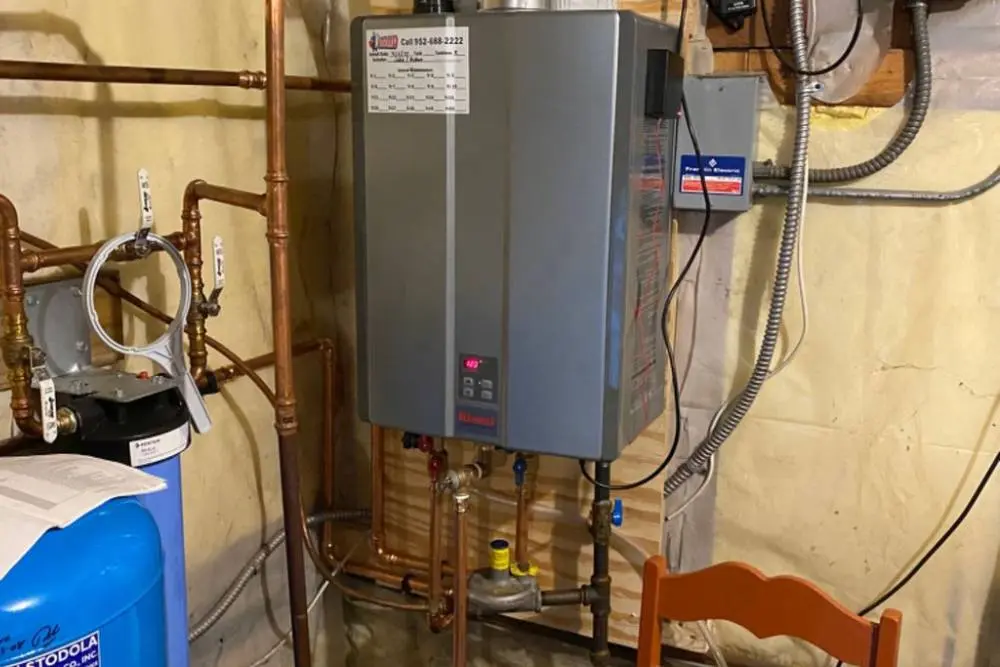
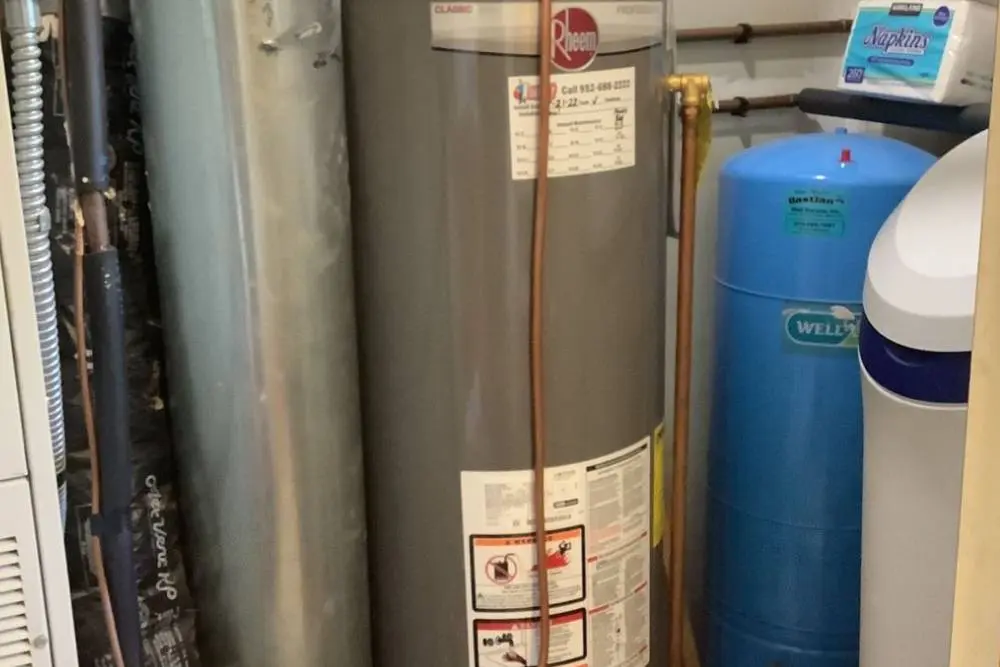
The type of water heater plays a major role. Electric water heaters typically consume more energy than gas-powered units, while hybrid systems are designed to operate with much greater efficiency. Tankless systems, on the other hand, only heat water when needed, which can reduce standby energy loss.

Household usage is another key factor. Larger families or homes with high hot water demand naturally use more energy. Activities such as long showers, frequent laundry cycles, and dishwasher use all contribute to increased consumption.

How Much Energy Does a Water Heater Use?

The answer to how much energy a water heater uses depends largely on the type of system and usage patterns. On average, a standard electric water heater may use between 3,000 and 5,000 watts during operation. Over the course of a month, this can translate into a significant amount of electricity consumption.

Gas water heaters typically use less electricity but still consume energy in the form of natural gas. While gas can be more cost-effective in some regions, efficiency and usage habits still determine the final cost.

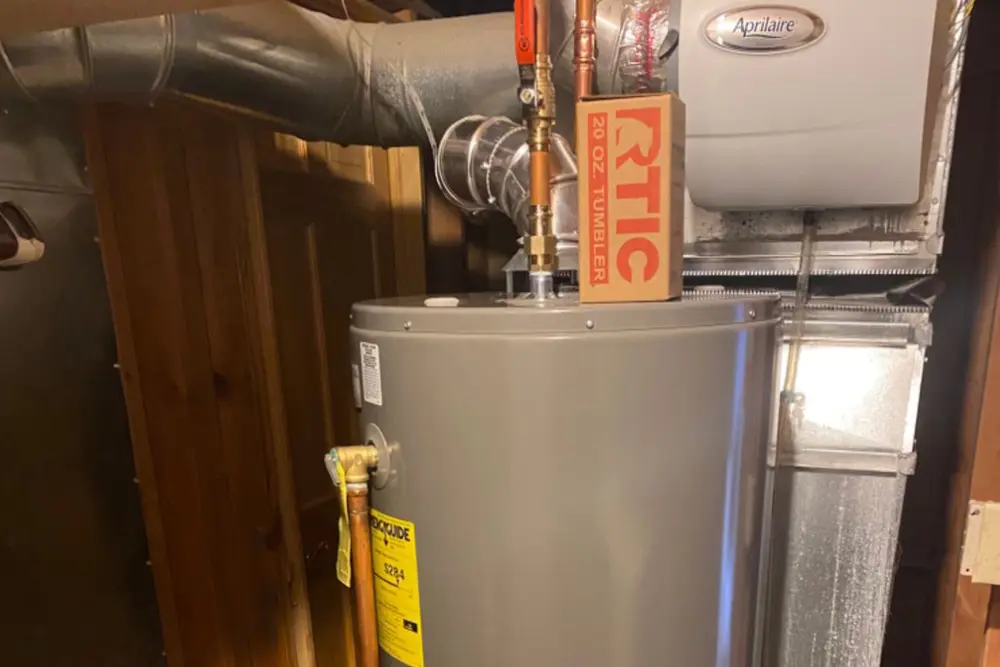
Hybrid water heaters use considerably less energy because they rely on heat transfer rather than direct heating. This makes them one of the most efficient options available, especially for households looking to reduce long-term expenses.

Understanding Water Heater Power Consumption Per Month

When evaluating water heater power consumption per month, it is helpful to look at typical usage estimates. For many households, water heating accounts for roughly 15 to 20 percent of total energy usage.

Monthly costs can vary widely depending on the system. A traditional electric water heater might add a noticeable amount to your electricity bill, particularly in homes with high demand. Gas systems may have lower monthly costs, but prices fluctuate based on fuel rates.

Hybrid systems stand out for their ability to significantly reduce monthly energy use. By leveraging ambient heat, they can operate with much lower power requirements while still delivering consistent performance.

Ways to Reduce Your Water Heater Energy Costs

Reducing energy costs starts with understanding where inefficiencies occur. One of the most effective strategies is upgrading to a more efficient system. Modern water heaters are designed to minimize energy loss and operate more effectively over time.

Adjusting usage habits can also make a difference. Shorter showers, using cold water when possible, and spacing out high-demand activities can help reduce energy consumption.

Regular maintenance is another important factor. Flushing the tank, checking for sediment buildup, and ensuring components are functioning properly can improve efficiency and extend the life of the unit.

Professional installation and guidance play a critical role as well. Specialists can recommend the most efficient system for your home and ensure it operates at peak performance.

That is where companies like Water Heaters Now provide value. With a focus solely on water heaters, their expertise helps homeowners choose systems that balance performance, efficiency, and long-term cost savings.

When Is It Time to Upgrade Your Water Heater?

If your current system is older or requires frequent repairs, it may be costing more than you realize. Aging water heaters often lose efficiency, leading to higher energy bills over time.

Signs that it may be time to upgrade include inconsistent water temperature, rising utility costs, and reduced hot water availability. Investing in a newer, more efficient system can provide immediate and long-term benefits.

Modern water heaters are designed to deliver better performance while using less energy, making them a practical choice for homeowners looking to reduce ongoing expenses.

If you are concerned about rising water heater energy costs or want to better understand your system’s efficiency, working with a specialist can make a significant difference.

Water Heaters Now offers expert guidance, professional-grade equipment, and efficient installation designed to lower your long-term energy expenses. With experienced technicians and a no-pressure approach, you can make the right decision for your home with confidence.

Contact Water Heaters Now to schedule a consultation and start reducing your energy costs.
How To Clean Your Water Heater’s Burner Screen

How To Clean Your Water Heater’s Burner Screen

If your gas water heater has started acting up, the issue may not be as complicated as it seems. One often overlooked part is the burner screen, a small but important component that helps keep your system running properly.

Over time, dust, lint, and debris can collect on the burner screen. This buildup restricts airflow, which affects how the burner operates. When airflow is limited, your system may struggle to heat water efficiently or may even shut down unexpectedly.

Understanding how to clean your water heater’s burner screen, how it works, and how it is cleaned during a professional water heater maintenance visit can help you stay ahead of performance issues.

What Is a Burner Screen?

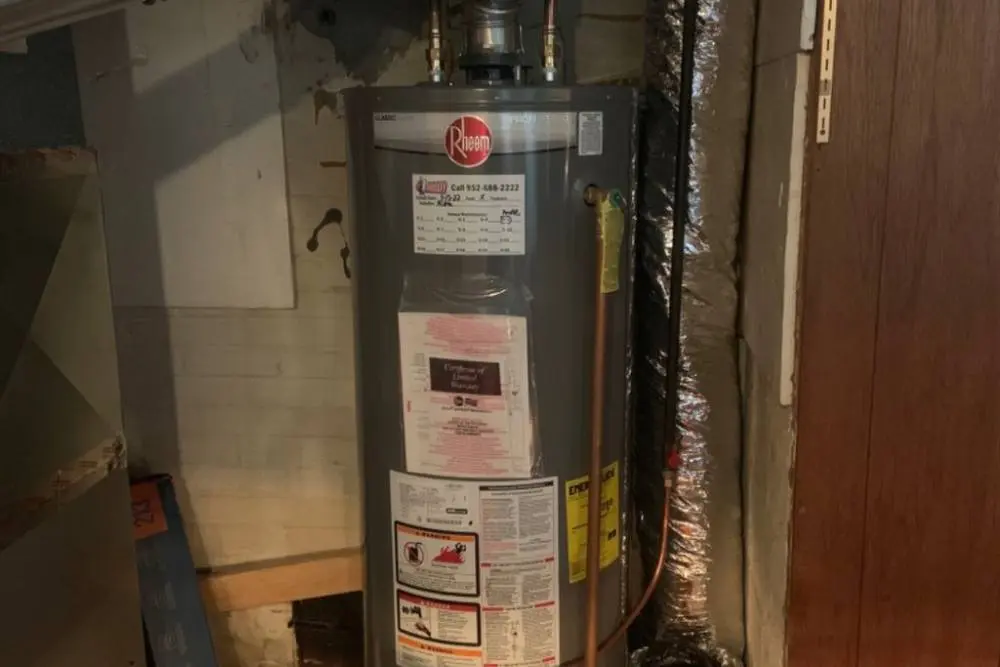
The burner screen is located at the bottom of a gas water heater. It acts as a protective barrier that allows air to flow into the combustion chamber while keeping debris out.

Airflow plays a big role in how your burner performs. For proper combustion, the system needs a steady mix of gas and air. When the screen becomes clogged, that balance is disrupted.

This can lead to weak flames, delayed ignition, or the system shutting off more often than it should.

Why the Burner Screen Gets Dirty

In most homes, water heater installation takes place in areas like garages, basements, or utility closets. These spaces often collect dust, pet hair, and lint from nearby appliances.

Over time, this material gets pulled into the burner screen. Even in clean homes, fine particles can build up slowly and block airflow.

Homes with pets or laundry areas nearby may experience faster buildup due to the amount of airborne debris in the space.

Signs Your Burner Screen Needs Cleaning

A clogged burner screen can affect your system in several ways. The changes may be subtle at first but become more noticeable over time.

  • Pilot light goes out more often than usual
  • Water takes longer to heat
  • Burner flame appears weak or uneven
  • System shuts down and needs frequent resetting

These signs often point to restricted airflow, which is commonly linked to a dirty screen.

How Professionals Clean the Burner Screen

Cleaning a burner screen involves more than a quick wipe. The process is handled carefully to avoid damaging components and to restore proper airflow.

The first step is shutting off the gas supply and allowing the unit to cool. Once it is safe to work on, the lower access area of the water heater is opened to expose the burner assembly and screen.

From there, buildup is removed using specialized tools designed to clear debris without pushing it deeper into the system. In some cases, a vacuum or soft brush is used to clean the surface thoroughly.

The surrounding area is also inspected to remove any loose debris that could be pulled back into the screen later. After cleaning, the system is reassembled and tested to confirm that airflow and burner performance have improved.

Why Professional Cleaning Matters

While the burner screen may seem easy to access, cleaning it incorrectly can lead to more problems. Pushing debris further inside or damaging components can affect how the system operates.

A licensed and certified water heater technician follows a step-by-step process that protects the system while addressing the root of the issue. They also look for other signs of wear that may not be visible at first glance.

In many cases, cleaning the screen is just one part of a broader inspection that helps keep your water heater running reliably.

How Often Should It Be Checked?

There is no single timeline that fits every home, but the burner screen should be inspected periodically as part of regular maintenance.

Homes with higher dust levels, pets, or nearby laundry equipment may need more frequent checks. Even in lower-use environments, buildup can still occur over time.

Routine inspections help catch airflow issues early before they lead to performance problems.

Preventing Future Buildup

While some debris is unavoidable, a few simple steps can help reduce how quickly buildup happens.

  • Keep the area around the water heater clean and free of dust
  • Avoid storing items directly next to the unit
  • Limit lint and debris from nearby appliances when possible

These small habits can help maintain better airflow and reduce strain on the system.

Minneapolis–St. Paul Water Heater Installation & Repair Specialists

If your water heater is showing signs of airflow issues or inconsistent performance, it may be time for a professional inspection. At Water Heaters Now, water heaters are our only focus, which means every service call is handled with deep experience and attention to detail. We have completed thousands of installations and repairs across the Twin Cities metro area, using professional-grade systems built for long-term reliability.

From diagnosing burner problems to full system replacements, our team provides fast service and straightforward solutions so you can get back to reliable hot water without delays. Get a quote now.

How To Check The Elements In A Water Heater

How To Check The Elements In A Water Heater

When hot water becomes inconsistent or runs out too quickly, the heating elements inside the tank are often part of the problem. Understanding how to check elements in water heater systems from a technician’s perspective can help you know what is happening behind the scenes during a service call.

Electric water heaters rely on internal components that heat water in stages. When one element stops working, performance drops, and the issue can show up in different ways depending on which part fails.

At Water Heaters Now, we handle these issues every day with fast, accurate diagnostics and same-day water heater service across the Twin Cities metro area.

What Heating Elements Do Inside the Tank

Heating elements are installed through the side of the tank and extend into the water. When powered, they generate heat and transfer it directly into the surrounding water.

Most systems have an upper and a lower element. The upper element heats the top portion first. Once that section reaches the set temperature, the lower element begins heating the rest of the tank. This sequence allows the system to recover and maintain a steady supply of hot water.

When one element fails, the heating cycle is disrupted, leading to noticeable changes in performance.

When Professionals Suspect Element Problems

Before any testing begins, a water heater technician pays close attention to how the system is behaving. Patterns in performance often point toward a specific issue.

  • Water never reaches the desired temperature
  • Hot water runs out faster than expected
  • Temperature fluctuates during use
  • Breaker trips linked to the water heater

These signs help guide the inspection and narrow down which component needs attention.

How Technicians Prepare for Testing

Safety is always the first step. Licensed and certified water heater experts begin by shutting off power at the breaker panel and confirming that no electricity is flowing to the unit. This step protects both the technician and the equipment.

Next, the access panels on the side of the tank are removed. Behind these panels are insulation layers and protective covers that shield the internal wiring and element terminals. Once exposed, the technician can begin evaluating the components.

At this stage, wires connected to the heating element are carefully disconnected. This isolates the element so that readings taken during testing are accurate.

The Testing Process Explained

Technicians use a multimeter to measure resistance across the element terminals. This reading shows if the element is still functioning or has failed.

  • A working element usually produces a resistance reading within a normal range
  • A reading that shows no continuity points to a burned-out element

In addition to resistance, technicians also check for grounding issues. This involves testing between the element terminal and the metal tank. If a reading appears here, it signals a fault that can affect performance and safety.

These tests give a clear picture of the condition of each element without needing to remove it from the tank.

Identifying Upper Vs Lower Element Failure

The way a system behaves can often indicate which element is not working. Professionals use these patterns to guide their diagnosis.

If the upper element fails, the tank may not heat properly at all, leading to little or no hot water. If the lower element fails, the top of the tank may still heat up, but hot water will run out quickly during use.

This distinction helps pros move quickly through the testing process and confirm the issue.

What Happens After Diagnosis

Once a faulty element is identified, replacement is the standard solution. Heating elements are sealed components, so repair is not part of the process.

A technician will remove the damaged element, install a new one that matches the system specifications, and restore power to test performance. They may also check related parts such as thermostats to confirm the system is working as expected.

Minneapolis–St. Paul Water Heater Installation & Repair Experts

If your water heater is not performing like it used to, it may be time to bring in an expert to take a closer look. At Water Heaters Now, water heaters are all we do. Our team has replaced thousands of systems over the past decade and is the largest installer of professional-grade water heaters in the Twin Cities metro area.

We offer same-day service, fast installation by licensed and certified technicians, and high-quality equipment built to last. If your system needs repair or replacement, we’ll get your hot water back up and running without the hassle.

Get a quote.

Do You Need An Expansion Tank For A Water Heater?

Do You Need An Expansion Tank For A Water Heater

Hot water is something most people take for granted until something goes wrong. If you have ever heard banging pipes, noticed dripping from a pressure valve, or had a plumber mention an expansion tank, you might be wondering what it actually does and if your home needs one.

An expansion tank is a small addition to your water heater setup, but it plays a big role in protecting your plumbing. Not every home requires one, but in many cases, installing it can prevent long-term damage and expensive repairs. Let’s break down what an expansion tank is, how it works, and how to tell if your system would benefit from one.

At Water Heaters Now, we provide same-day water heater installation & repair in the Twin Cities metro area, delivering expert service and professional-grade systems you can count on.

What Is an Expansion Tank?

An expansion tank is a small metal tank that connects to your water heater system. Inside, it has two sections separated by a rubber diaphragm. One side holds air, and the other takes in excess water.

When water heats up, it expands. That extra volume needs somewhere to go. Without a place for that expanded water, pressure builds inside your plumbing system. The expansion tank acts as a buffer. It absorbs the extra volume created during heating and keeps pressure levels stable.

Why Water Expansion Matters

Water might seem like it stays the same, but it actually expands as it heats. Inside a water heater, this expansion happens every time the unit runs.

In older plumbing systems, this was not a big issue because water could flow back into the municipal supply line. Today, many homes have closed systems, meaning water cannot flow backward due to check valves or pressure-reducing valves.

In a closed system, pressure has nowhere to go. That pressure builds up and can lead to:

  • Leaking pipes or fittings
  • Premature wear on appliances
  • Dripping from the temperature and pressure relief valve
  • Stress on your water heater tank

Over time, this added strain can shorten the lifespan of your equipment.

How an Expansion Tank Works

The operation is simple but effective. As water heats and expands, the extra volume enters the expansion tank instead of increasing pressure in the pipes.

Inside the tank:

  • The air chamber compresses as water enters
  • This compression absorbs pressure changes
  • When pressure drops, water flows back into the system

This back-and-forth movement helps maintain a balanced system without sudden spikes.

Think of it like a shock absorber for your plumbing. It smooths out pressure changes that would otherwise put stress on your system.

Do All Homes Need an Expansion Tank?

Not every home needs one, but many modern systems do. The deciding factor is whether your plumbing system is open or closed.

Closed Plumbing Systems

If your home has a pressure-reducing valve, backflow preventer, or check valve, it is considered a closed system. In this setup, water cannot flow back into the main supply.

Most newer homes fall into this category. In these cases, a water heater expansion tank installation is often recommended and sometimes required by code.

Open Plumbing Systems

Older homes without these valves may allow water to flow back into the city supply. In these setups, expansion is less of a concern.

That said, even some older homes have been upgraded over time, turning them into closed systems without homeowners realizing it.

Signs You May Need an Expansion Tank

If you are unsure about your setup, there are a few signs that suggest your system could benefit from an expansion tank.

  • Your pressure relief valve leaks occasionally
  • You hear banging or knocking sounds in your pipes
  • Your water pressure fluctuates during use
  • You have replaced water heater parts more than expected
  • You recently installed a pressure-reducing valve

These symptoms often point to pressure issues caused by thermal expansion.

What Happens Without One?

Skipping an expansion tank in a system that needs it can lead to slow damage over time. The effects might not be obvious at first, but they add up.

Repeated pressure increases can weaken pipe joints and fittings. Small leaks may develop, which can go unnoticed until they cause water damage.

Your water heater also takes on extra stress. The tank, valves, and internal components experience more wear, which can shorten the unit’s lifespan.

In some cases, the temperature and pressure relief valve may release water frequently. While this valve is designed as a safety feature, constant discharge is a sign something is off.

Are Expansion Tanks Required by Code?

In many areas, plumbing codes require expansion tanks for closed systems. This is especially true for new water heater installation or when replacing one.

Local regulations vary, so it is a good idea to check with a licensed technician familiar with your area’s requirements.

Even when not required, many professionals recommend installing one as a preventative measure. It is a relatively small investment compared to the cost of repairs caused by pressure damage.

How Much Does an Expansion Tank Cost?

The cost of an expansion tank depends on size and installation factors. For most residential setups, the tank itself is affordable. Installation costs can vary based on accessibility, system layout, and labor rates in your area.

In general, the total cost is far less than repairing water damage or replacing a prematurely worn-out water heater.

Maintenance and Lifespan

Expansion tanks do not require a lot of maintenance, but they are not maintenance-free. Over time, the internal diaphragm can wear out. When that happens, the tank may fill completely with water and stop working properly.

A quick way to check is by tapping the tank. It should sound hollow on the air side and solid on the water side. Most expansion tanks last several years, but periodic inspection helps catch issues early.

Same-day Water Heater Service in Minneapolis–St. Paul

If your system needs an expansion tank or you are dealing with pressure issues, now is the time to take care of it. At Water Heaters Now, water heaters are all we do. We have replaced thousands of units over the past decade and are the largest installer of professional-grade water heaters in the Twin Cities metro area.

You can expect same-day service, fast installation from licensed and certified technicians, and equipment built to last 16+ years. Our approach helps lower long-term costs and improve energy efficiency, so your system runs better every day. Reach out to us now to get a quote.