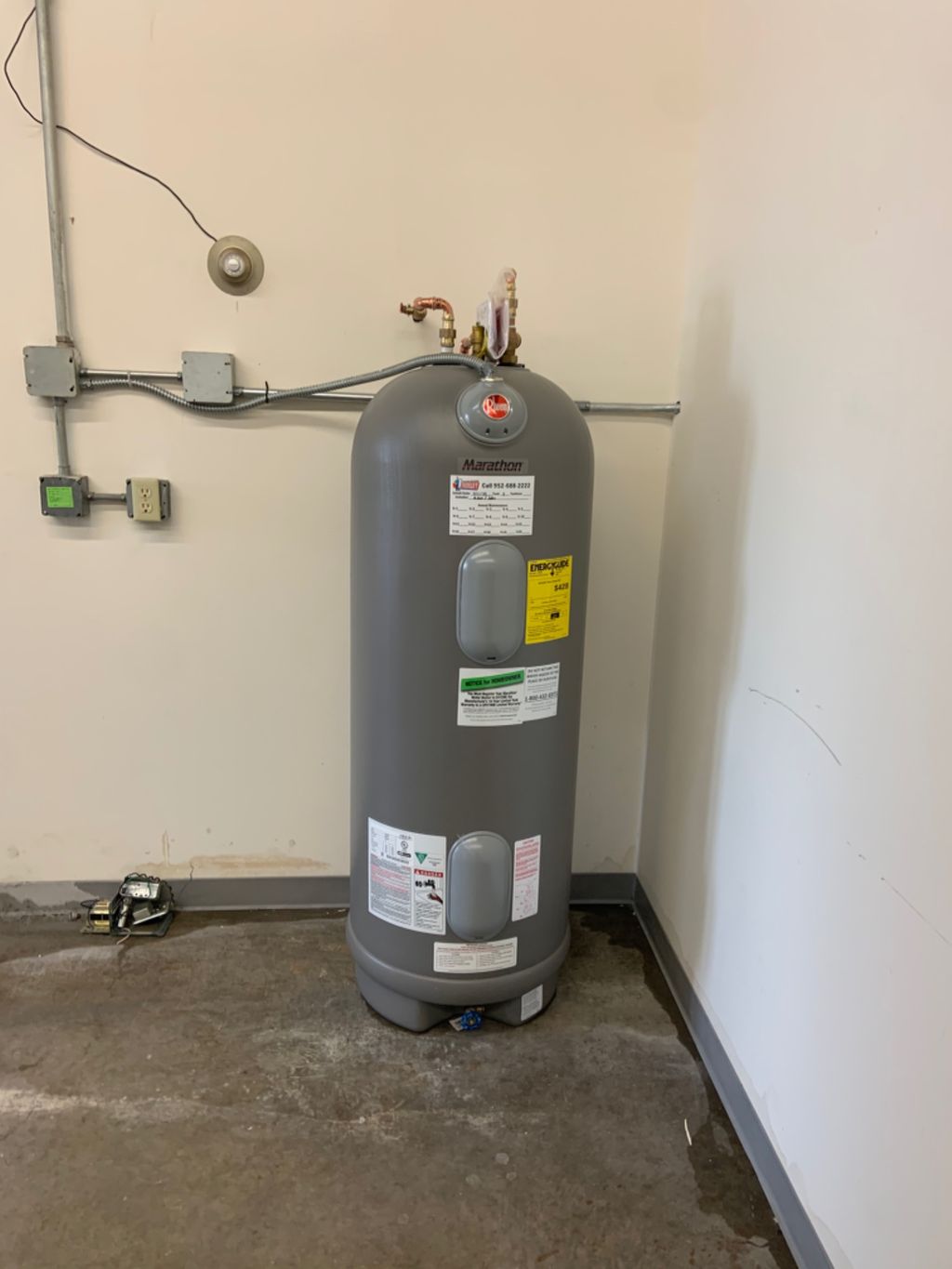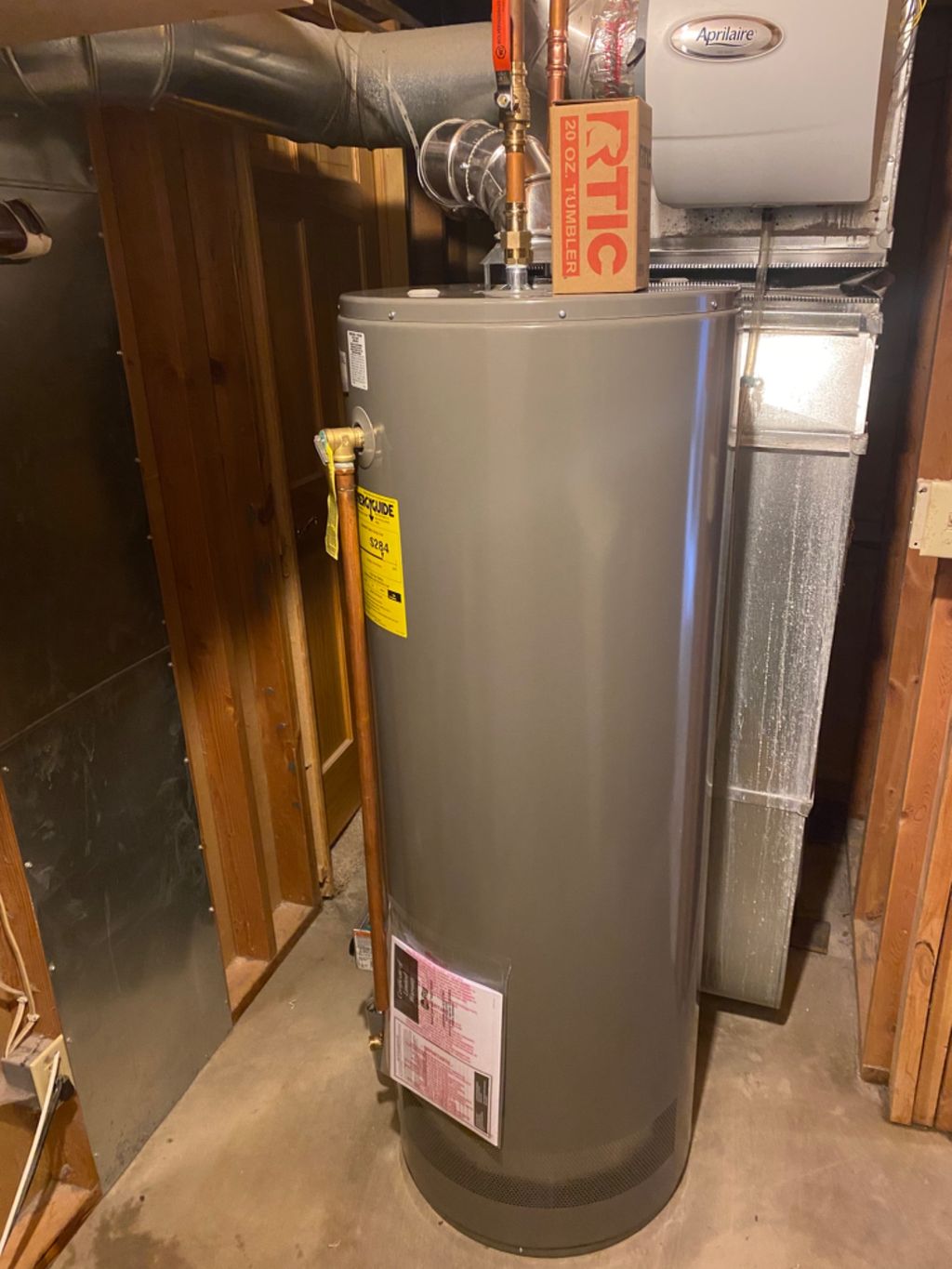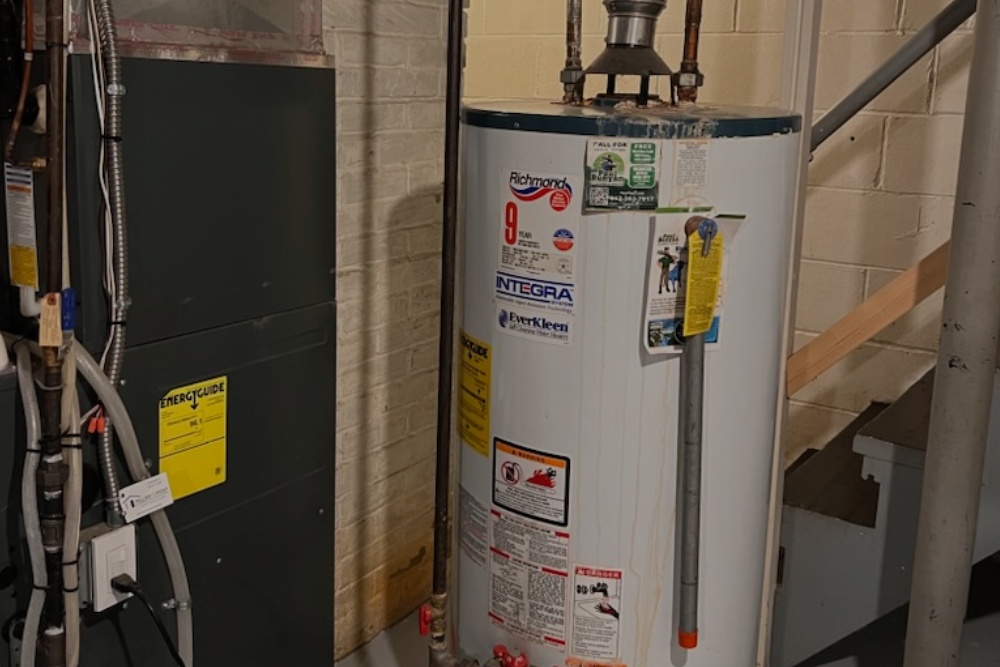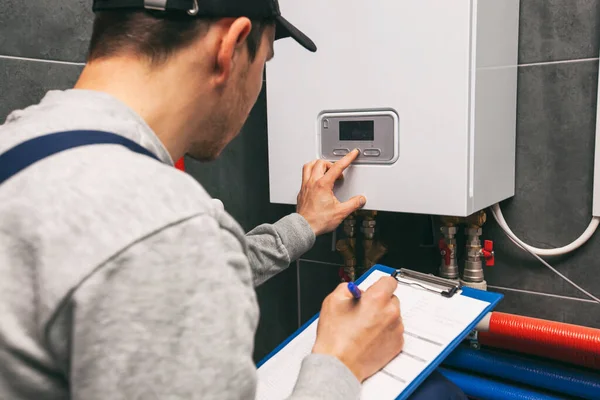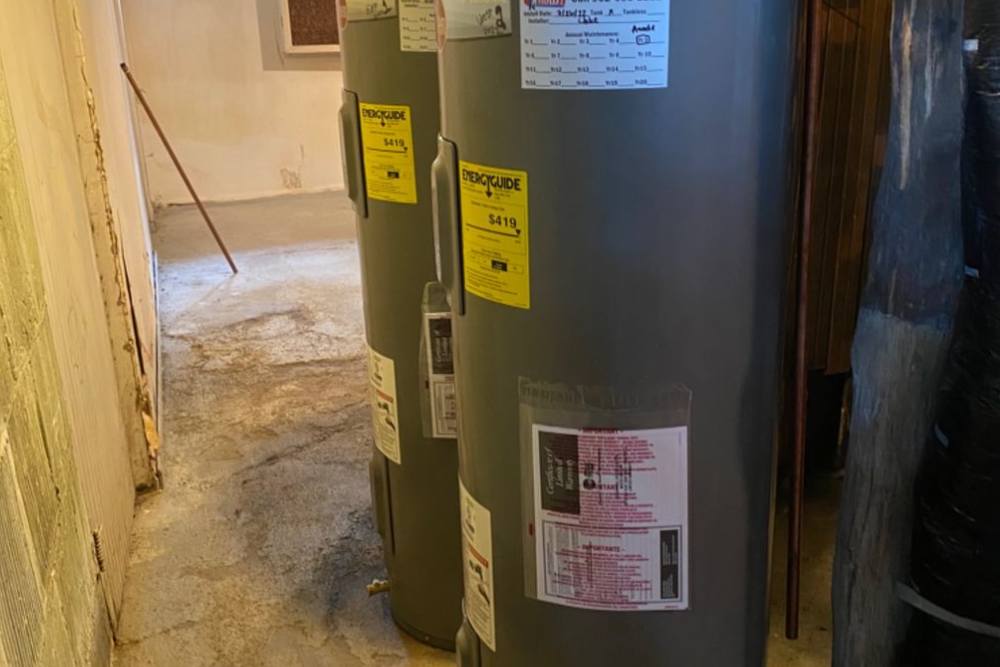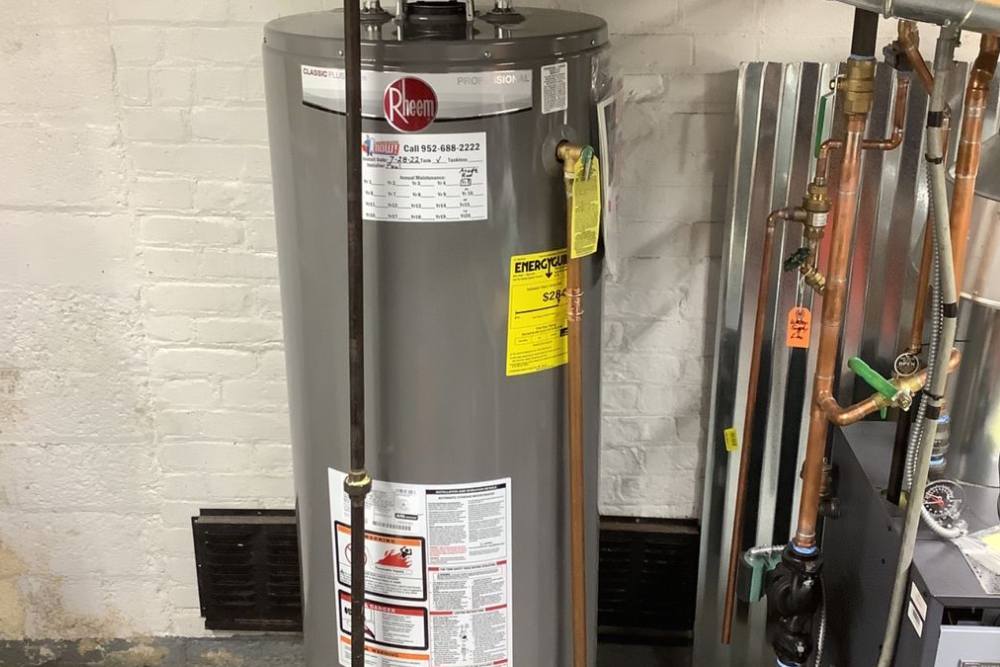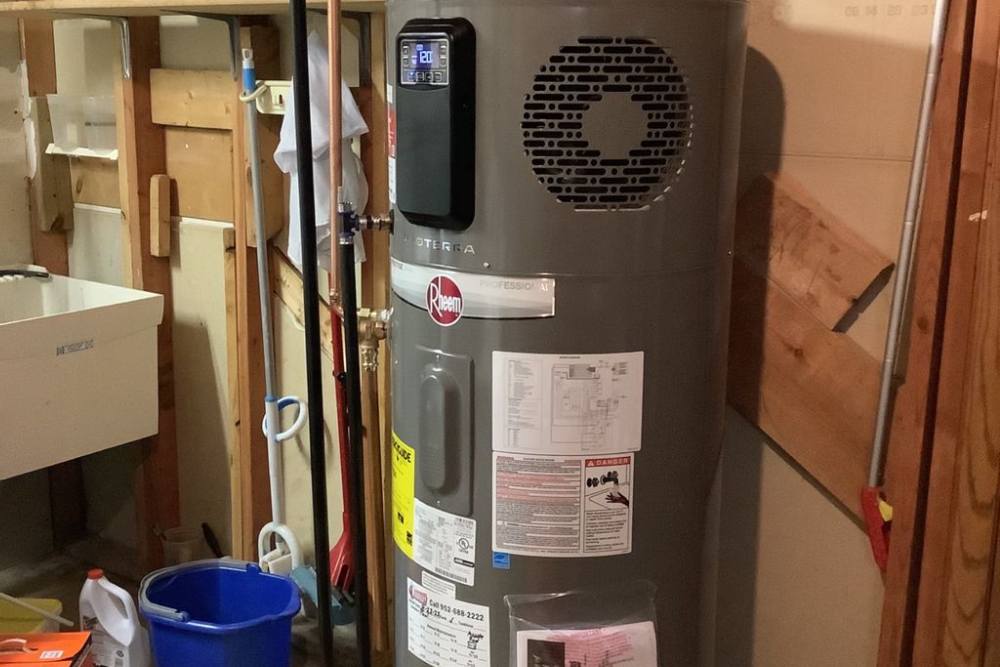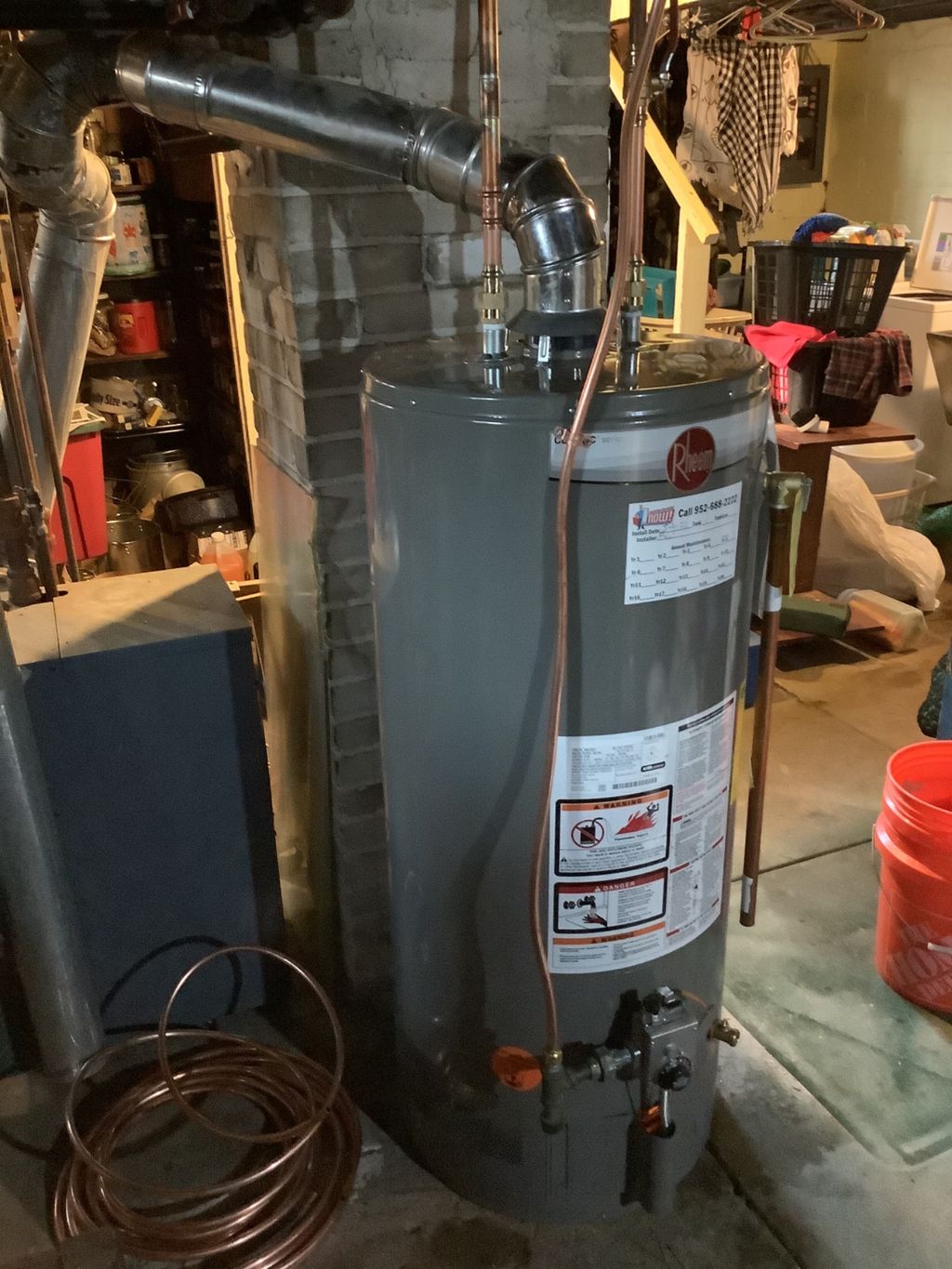
Upgrading A Water Heater: 11 Things You Should Know

upgrading-water-heater

Quick Summary

Upgrading a water heater involves more than picking a new tank off a shelf. Fuel type, sizing, tank versus tankless design, installation complexity, and long-term cost of ownership all shape which system will actually serve your household well. Warranty terms, permit requirements, and available rebates add further considerations worth reviewing before committing to a purchase. Working with an experienced, licensed installer protects your investment and ensures the new unit performs as expected from day one. Taking the time to evaluate these eleven factors leads to a decision you won’t second-guess later.


There comes a point when patching an aging water heater no longer makes financial sense, and pushing through one more repair only delays the inevitable. Knowing when and how to upgrade a water heater can save you from an unexpected cold shower and a rushed decision made under pressure. 

Whether your current unit is showing its age or you simply want better efficiency, here are eleven things worth understanding before you commit to a new system.

Know the Signs Your Water Heater Needs Replacing

Rusty water, inconsistent temperatures, unusual noises, and a tank older than ten to twelve years are all signals that a water heater upgrade is worth serious consideration rather than another repair. Waiting until a full failure occurs often means dealing with water damage alongside the replacement itself.

Understand Your Fuel Type Options

Gas, electric, and propane units all operate differently, and switching fuel types during an upgrade can involve additional work, such as new venting or gas line modifications. Sticking with your existing fuel type is often simpler, though a fuel switch can make sense if your goals include lower operating costs or improved efficiency.

Consider Tank Versus Tankless

Traditional tank water heaters store and continuously heat a set volume of water, while tankless units heat water on demand as it flows through the system. Tankless models tend to offer better long-term efficiency and a smaller footprint, though the upfront investment is typically higher than a comparable tank unit.

Get the Sizing Right

An undersized water heater leaves you running out of hot water during peak use, while an oversized unit wastes energy maintaining more heated water than your household actually needs. Sizing should be based on your household’s peak hour demand, not just the number of people living there.

Look Into Heat Pump Water Heaters

Heat pump water heaters pull ambient heat from the surrounding air rather than generating heat directly, which can significantly reduce electricity consumption compared to a standard electric unit. They tend to work best in spaces with enough surrounding air volume and moderate ambient temperature.

Factor in Installation Complexity

Not every upgrade is a straightforward swap. Changing from a tank to a tankless system, for instance, often requires modifications to venting, gas lines, or electrical capacity. Understanding this upfront helps you budget accurately rather than being surprised by additional costs mid-installation.

Check Local Permit Requirements

Most municipalities require a permit for water heater installation, particularly when fuel type or venting changes are involved. A licensed installer typically handles this process for you, but it’s worth confirming before work begins so there are no delays.

Review Warranty Coverage Carefully

Warranty length and coverage terms vary significantly between manufacturers and models. Professional-grade units often carry longer warranties than consumer-grade equipment, and understanding exactly what is and is not covered protects you from unexpected repair costs down the road.

Think About Long-Term Cost of Ownership

The lowest purchase price does not always translate to the lowest total cost. Professional-grade equipment often costs more upfront but lasts significantly longer and operates more efficiently, which can make it the more economical choice once you factor in the full lifespan of the unit.

Ask About Rebates and Financing

Many utility companies and local programs offer rebates for efficient water heater upgrades, particularly heat pump models. Financing options can also make a higher-quality unit more accessible without requiring the full cost upfront.

Choose an Installer With Real Experience

The quality of installation affects performance and lifespan just as much as the equipment itself. An improperly installed unit, even a high-quality one, can underperform or fail prematurely, which is why selecting an experienced, licensed installer matters as much as selecting the right water heater.

Why the Upgrade Decision Deserves Careful Thought

A water heater upgrade is not a purchase most households make often, which is exactly why it deserves more thought than grabbing whatever unit is available at a local hardware store. The right choice depends on your household’s hot water habits, your home’s existing infrastructure, and your long-term efficiency goals, all of which are easier to evaluate with guidance from someone who installs these systems every day.

How Water Heaters Now Supports Your Upgrade

At Water Heaters Now, we’ve replaced thousands of water heaters across the Twin Cities metro area, and that experience shapes every recommendation we make. 

We only install professional-grade equipment, the kind built to last well beyond sixteen years, and our licensed technicians handle sizing, permitting, and installation so you don’t have to navigate the details alone. 

Same-day service is available for most tank-style replacements when you call before 2 p.m.

Timing Your Upgrade Around Your Household’s Needs

Beyond the technical considerations, timing plays a bigger role in a smooth upgrade than most homeowners expect. Replacing a water heater proactively, before it fails completely, gives you room to research options, compare fuel types, and schedule the installation at a convenient time rather than making a rushed decision during an emergency. 

Homeowners who wait until a complete failure often end up settling for whatever unit is readily available rather than the one that actually fits their household’s long-term needs. 

If your current unit is approaching the end of its expected lifespan, starting the research process a few months ahead of an anticipated failure puts you in a much stronger position to make a thoughtful decision.

Comparing Quotes Without Losing Sight of Quality

It’s natural to want to compare pricing across a few different providers before committing to an upgrade, but price alone can be a misleading way to evaluate options. A significantly lower quote often reflects consumer-grade equipment, a shorter warranty, or corners cut somewhere in the installation process. 

When comparing quotes, ask specifically what grade of equipment is being installed, what the warranty covers, and whether the price includes permitting and haul-away of your old unit. These details often reveal more about long-term value than the bottom-line number alone.

Preparing Your Home for Installation Day

A little preparation ahead of your scheduled upgrade can make the process smoother for both you and the installation team. Clearing the area around your current water heater, ensuring easy access to the space, and noting any specific concerns about your home’s plumbing or electrical setup ahead of time all help the appointment move efficiently. 

If you have questions about how the new unit will fit into an existing closet or utility space, raising them during the initial consultation rather than on installation day avoids unnecessary delays.

Whether you’re weighing a residential upgrade or need commercial water heater installation and repair for a larger property, our team can walk you through the right fit. Curious about going tankless? Learn more about our tankless water heater options, or explore heat pump water heaters if efficiency is your top priority.

Ready to get started? Request your quote today and let us help you upgrade with confidence.
Should You Install A Water Heater Timer? Save Energy And Lower Utility Costs

install-water-heater

Quick Summary

A water heater timer schedules heating cycles around your household’s actual hot water needs, reducing standby energy loss and potentially extending equipment life. It works best for households with predictable routines and electric tank-style units, while offering little benefit for tankless systems or unpredictable schedules. Professional installation matters here, since improper wiring on a high-voltage circuit carries real risk. Whether the investment pays off depends on your electricity rates and daily habits, making a conversation with an experienced technician the most reliable way to determine if this small upgrade is worth adding to your home.


Your water heater is likely running around the clock, keeping a full tank hot even while you sleep or spend the day at work. If you install a water heater timer, that constant cycle changes, and so does your monthly energy bill. Before you decide whether this small device is worth adding to your setup, it helps to understand exactly what a timer does and where it makes the most sense.

What a Water Heater Timer Actually Does

A water heater timer is a simple device wired into your unit’s power supply that controls when it heats water and when it rests. Rather than maintaining a constant temperature 24 hours a day, the timer allows you to schedule heating cycles around when hot water is actually needed, such as early mornings and evenings, while powering down during hours when the household is asleep or away.

For electric water heaters in particular, this scheduling can meaningfully reduce standby energy loss, which is the energy spent simply keeping stored water at temperature rather than heating new water for use.

Why a Water Heater Timer Is Worth Considering

  • Lower standby energy costs: Traditional tank water heaters lose heat gradually throughout the day, and the unit compensates by cycling on to reheat the tank. A timer reduces the number of these reheat cycles during hours when nobody needs hot water.
  • Extended equipment life: Fewer heating cycles can mean less wear on heating elements and thermostats over time, which may modestly extend how long your unit performs reliably.
  • Predictable energy use: Households on time-of-use electricity rates can schedule heating cycles around off-peak pricing windows, avoiding the higher rates utilities often charge during daytime peak demand.

When a Timer Makes Less Sense

A timer is not the right fit for every household. Homes with unpredictable schedules, such as shift workers or families with varying routines, may find that a rigid heating schedule creates more inconvenience than savings. Tankless water heaters also do not benefit from a timer in the same way, since they heat water on demand rather than maintaining a stored supply.

How to Install Timer on Water Heater Safely

If you decide to move forward, you should never attempt to install a timer on water heater wiring yourself unless you are experienced with electrical work. Water heaters typically run on a dedicated high-voltage circuit, and improper installation creates a real risk of electrical shock or damage to the unit. A licensed technician can confirm your water heater’s compatibility, select an appropriately rated timer, and wire it correctly without disrupting your existing warranty coverage.

What to Expect From the Installation Process

A professional timer installation is typically a quick appointment. A technician will assess your electrical panel and existing wiring, confirm the timer’s rating matches your unit, then mount it near the water heater and connect it to the power supply. Most installations are completed within an hour, and your technician can walk you through programming the schedule around your household’s actual hot water habits.

Weighing the Investment

The upfront cost of a timer and its installation is relatively modest compared to other efficiency upgrades, and many households see the savings reflected within a few billing cycles. That said, the real value depends heavily on your household’s routine and local electricity rate structure, which is why a conversation with a technician familiar with your setup tends to produce a more accurate estimate than a generic savings calculator.

Getting Expert Guidance

Water Heaters Now technicians can evaluate your current unit, walk through your household’s hot water patterns, and tell you honestly whether a timer will deliver meaningful savings or whether your money is better spent elsewhere. We believe in straightforward answers, not upsells, and that approach shapes every recommendation our team makes.

Explore our full range of water heater services for homes and businesses, or check out our commercial water heater installation and repair options if you’re managing a larger property. 

For ongoing upkeep, regular water heater maintenance pairs well with a timer to maximize efficiency. 

Have more questions? Request a quote and we’ll help you decide if a timer is right for your home.

Same Day Water Heater Replacement Services: What Every Homeowner Should Know

water-heater-replacement

Quick Summary

Same day water heater replacement gives homeowners a realistic path back to reliable hot water without days of waiting or the risk of ongoing water damage from a failing unit. Reliable same day service depends on a provider’s in-stock inventory, available technicians, and efficient scheduling, all of which separate companies that can truly deliver from those that simply advertise speed. Standard tank-style replacements are typically well suited to same day turnaround, while tankless systems may require an additional day for venting or gas work. Choosing a provider with transparent pricing and proven capacity makes the entire process far less stressful.


There is nothing quite like the sinking feeling of stepping into a cold shower because your water heater has finally given out. The good news is that you don’t have to live without hot water for days while waiting on a new unit. Same day water heater replacement has become a realistic option for many homeowners, and understanding how it works can help you act quickly and confidently when your current unit fails.

Why Same Day Service Matters

A failed water heater is rarely convenient. Beyond the obvious discomfort of cold showers, an aging unit that finally gives out can also mean water pooling around the base of the tank, which risks damage to flooring, walls, and nearby belongings the longer it sits unaddressed. Same day replacement minimizes this window of vulnerability, getting a working system back in place before minor water damage has a chance to become a bigger, more expensive problem.

What Makes Same Day Replacement Possible

Same day water heater installation near me searches often turn up companies promising fast service, but not every provider can actually deliver on that promise consistently. A handful of factors determine whether same day service is realistic for a given company.

  • In-stock inventory: Providers need a reliable, well-stocked supply of common tank sizes and configurations on hand, rather than needing to order equipment after your call.
  • Available technicians: Same day service requires enough licensed staff to dispatch a team without pushing every other customer’s appointment back.
  • Efficient scheduling systems: Companies that handle same day requests well typically have streamlined dispatch processes that can slot an urgent replacement into the day’s schedule without unnecessary delay.
  • Experience with rapid turnarounds: Removing an old unit, hauling in a new one, and completing a safe, code-compliant installation within hours takes practiced efficiency, not just willingness.

What to Expect From the Same Day Process

  • The initial call: When you reach out about a failed water heater, expect a few quick questions about your current unit’s size, fuel type, and the nature of the problem, which helps the company prepare the right replacement before a technician even arrives.
  • Same day water heater assessment: A technician will inspect your existing setup, confirm sizing needs, and walk you through replacement options along with transparent pricing before any work begins.
  • Removal and installation: Once you approve the replacement, the technician removes the old unit and installs the new one, typically completing the entire process within a few hours for standard tank-style systems.
  • Final walkthrough: Before leaving, a professional installer should walk you through your new unit’s features, warranty details, and any maintenance recommendations specific to your model.

Tank Versus Tankless: A Timing Consideration

It’s worth noting that same day service timelines can differ depending on the type of replacement. Standard tank-style water heaters are generally well suited to same day turnaround given their straightforward installation process. 

Tankless systems, on the other hand, often involve additional venting or gas line work that can extend the timeline by a day, which is worth confirming upfront if speed is your top priority.

Questions to Ask Before Choosing a Provider

Before committing to a same day service call, a few quick questions can save you from unpleasant surprises. Ask whether pricing is disclosed upfront or only after the technician arrives. Confirm whether the quoted timeline includes permitting, if your local municipality requires it. 

Ask directly whether the company stocks the specific size and type of unit your home needs, rather than assuming general availability.

Why Water Heaters Now Is Built for Same Day Service

Water Heaters Now was built around exactly this kind of urgency. We’re the largest installer of professional-grade water heaters in the Twin Cities metro area, and that scale means we keep the inventory and staffing on hand to make same day replacement a reliable promise rather than a marketing line. 

Call before 2 p.m. on a weekday, and our licensed, certified technicians can typically have your new tank-style unit installed before you go to bed that night.

What Homeowners Often Overlook When Comparing Providers

When a water heater fails, it’s tempting to call the first company that shows up in a search result and book whatever appointment is offered. But a rushed decision under pressure can lead to overpaying or, worse, ending up with a rushed installation that causes problems down the road. 

Taking even a few extra minutes to confirm a provider’s licensing, ask about warranty coverage on both equipment and labor, and understand exactly what’s included in a same day quote can save significant frustration later. A trustworthy provider will welcome these questions rather than rush you past them.

What to Do While You Wait for Your Technician

If your water heater has already failed and you’re waiting for a technician to arrive, a few immediate steps can limit further damage. Turning off the water supply to the unit and switching off its power source, whether electric or gas, reduces the risk of continued leaking or a safety hazard while you wait. 

Placing towels or a shallow container beneath any visible leak can help protect flooring in the meantime. These simple precautions won’t solve the underlying problem, but they can meaningfully reduce cleanup once your new unit is installed.

We serve homeowners across the metro, including in Burnsville and surrounding communities, with the same reliable turnaround every time. For a full look at our water heater installation and repair services, or if your current unit just needs a fix rather than full replacement, explore our water heater repair options. We also support larger properties through our commercial services. 

Don’t wait for a cold shower to become an emergency. Contact us today and let us know how we can help.

How Does A Water Heater Affect Your Electric Bill?

how-does-a-water-heater

Quick Summary

A water heater’s impact on your electric bill comes down to how often it needs to reheat water and how much energy that process consumes. Tank size mismatches, aging equipment, poor insulation, high thermostat settings, and standby heat loss all contribute to rising costs over time. Simple adjustments like lowering your thermostat, adding insulation, and scheduling regular maintenance can meaningfully reduce monthly expenses. For households with consistently high costs or aging equipment, upgrading to a more efficient unit often delivers the most noticeable long-term savings, especially when paired with professional guidance on sizing and setup.


Does water heater affect electric bill? If your bill has been creeping upward and you can’t quite pin down why, your water heater might deserve a closer look. Many homeowners are surprised by how much the water heater can affect the electric bill, especially since this essential appliance operates quietly in the background every day. 

Water heating often accounts for a significant share of household energy use, making it an important factor in monthly utility expenses. Understanding what influences those costs can help you identify practical ways to reduce your electric bill.

Why Water Heating Uses So Much Energy

Heating water is one of the most energy-intensive tasks a home appliance performs, typically accounting for a meaningful share of total household electricity use. Unlike appliances that cycle on briefly, a storage tank water heater works continuously throughout the day and night, reheating water as it gradually loses temperature, which adds up to substantial cumulative energy consumption over the course of a month.

Does Heat Affect Electric Bill Costs Directly?

The relationship between heat and your electric bill comes down to a simple principle: raising water temperature requires energy, and the more often that temperature needs raising, whether due to heavy usage, an aging unit, or heat loss from poor insulation, the more electricity gets consumed.

Households with larger families, frequent laundry cycles, or long showers naturally place greater demand on the system, which shows up directly in monthly usage.

Factors That Increase Water Heating Costs

  • Tank size and household demand mismatch: An oversized tank wastes energy maintaining more hot water than your household actually uses, while an undersized tank forces more frequent reheating cycles to keep up with demand.
  • Aging equipment: As water heaters age, sediment buildup inside the tank can insulate the heating element from the water itself, forcing the unit to work harder and longer to reach the same temperature.
  • Poor insulation: Both the tank itself and the surrounding pipes lose heat over time if insulation is inadequate, meaning the unit reheats water more frequently than necessary.
  • Thermostat set too high: Many water heaters are set well above the temperature households actually need, and every additional degree adds to energy consumption without meaningful benefit.
  • Standby heat loss: Traditional tank units continue heating stored water even during hours when nobody is home, contributing to costs that tankless systems largely avoid.

Does Hot Water Affect Your Electric Bill More Than Other Appliances?

Compared to many other household appliances, hot water production tends to represent a larger, more consistent share of total energy use, simply because it runs so frequently throughout the day rather than in short bursts. 

This is part of why upgrading to a more efficient unit, such as a heat pump water heater, or making simple adjustments like lowering the thermostat, tends to produce noticeable savings compared to targeting less energy-intensive appliances.

Practical Ways to Lower Water Heating Costs

  • Lower your thermostat setting: Most households can comfortably operate at 120 degrees Fahrenheit rather than higher factory default settings, without any noticeable difference in comfort.
  • Insulate your tank and pipes: Adding insulation, particularly for units located in unheated spaces like a garage or basement, reduces standby heat loss significantly.
  • Schedule regular maintenance: Sediment buildup is one of the most common culprits behind rising energy use, and periodic flushing keeps the unit operating efficiently.
  • Consider a timer for electric units: Scheduling heating cycles around actual usage patterns can reduce standby energy loss during hours when hot water isn’t needed.
  • Evaluate whether an upgrade makes sense: If your current unit is aging and inefficient, a newer, professional-grade model may pay for itself through reduced monthly energy costs.

When to Call a Professional

If your electric bill has risen noticeably without an obvious explanation, and your water heater is more than eight years old, it’s worth having a technician evaluate the unit directly. Sediment buildup, a failing heating element, or a thermostat malfunction can all quietly drive up costs long before the unit fails outright, and catching these issues early often costs far less than waiting for a full breakdown.

How Water Heaters Now Helps Lower Your Costs

At Water Heaters Now, efficiency is one of the core benefits we build into every installation. We only use professional-grade equipment designed to last well beyond a decade, and our technicians can evaluate whether your current setup is contributing unnecessarily to your electric bill. From proper sizing to maintenance recommendations, our goal is straightforward: help you get reliable hot water without paying more than you need to.

Tracking Your Usage Over Time

One practical way to understand your water heater’s true impact on your electric bill is to compare usage across a few billing cycles rather than looking at a single month in isolation. Seasonal shifts, houseguests, or changes in daily routine can all temporarily raise hot water demand, which makes a single high bill less meaningful than a consistent upward trend. 

If you notice your electric costs climbing steadily over several months without a clear explanation elsewhere in the home, that pattern is a stronger signal that your water heater deserves a closer look than any single data point on its own.

Explore our full range of water heater services designed around efficiency, or learn more about our commercial water heater installation and repair options if you manage a larger property. Curious whether going tankless fits your home? Take a look at our tankless water heater page. 

Staying on top of routine maintenance is one of the easiest ways to keep costs in check, and if your unit has been acting up lately, our guide to silencing a noisy water heater may help too. 

Ready for a professional opinion on your setup? Request your quote today and let us help you lower your bill.

Upcoming DOE Water Heater Regulations: Commercial & Residential Impacts Explained

Upcoming DOE Water Heater Regulations: Commercial & Residential Impacts Explained

Federal energy standards for water heaters are changing in the coming years, and the impact will be felt by business owners, property managers, and homeowners across the United States. The updates come from the U.S. Department of Energy and affect both commercial and residential water heating equipment.

Commercial gas water heaters face new high-efficiency requirements starting in October 2026. Residential systems follow with new rules taking effect in May 2029. While these regulations focus on improving national energy performance, they will also change equipment options, installation requirements, and overall replacement costs.

Water Heaters Now is here to help you understand what’s changing, who it affects, and how to plan ahead.

Why This Matters Now

Many property owners assume regulatory changes are years away and can be dealt with later. The commercial deadline is closer than it appears. Once October 6, 2026 arrives, newly manufactured commercial gas water heaters must meet updated efficiency standards. After that point, non-compliant equipment will no longer be produced or imported.

Residential changes follow in May 2029. That may sound distant, but water heaters typically last 8 to 12 years. If your current system is already mid-life, it could fail right around the time new rules take effect.

The result is simple. Replacement decisions made after these deadlines may look very different than they do today. Equipment types may change, installation complexity may increase, and costs could rise.

Planning now gives property owners time to understand their options before being forced into a rapid replacement during a no-hot-water emergency.

Commercial Water Heater Changes – Effective October 2026

  • What Is Changing?

Beginning October 6, 2026, new federal minimum efficiency standards take effect for commercial water heaters. The updated rule raises required Thermal Efficiency levels high enough that only condensing gas technology can comply.

For commercial gas-fired instantaneous units, the new minimum Thermal Efficiency will be 95 percent. For residential-duty commercial gas storage units, the minimum rises to 96 percent. High-draw gas-fired storage products must meet a new Uniform Energy Factor formula that also effectively limits compliant equipment to condensing designs.

Traditional non-condensing gas commercial water heaters will no longer meet federal manufacturing standards once the deadline passes. Manufacturers cannot produce or import those lower-efficiency models after the effective date.

Commercial electric water heaters are not impacted by this particular rule.

  • What This Means for Businesses

For many businesses, this shift is significant. Condensing water heaters operate differently than non-condensing models. They extract more heat from combustion gases, which increases efficiency but changes venting and drainage requirements.

Potential impacts include:

  • Higher equipment purchase costs
  • PVC or polypropylene venting instead of metal B-vent systems
  • Sidewall vent termination instead of vertical chimney venting in some cases
  • Condensate drainage lines
  • Condensate neutralizers to protect building plumbing
  • Possible reconfiguration of mechanical rooms

In older commercial buildings, retrofitting a condensing system may require layout adjustments that were never needed with atmospheric units. Restaurants, apartment buildings, hotels, schools, and healthcare facilities that rely on continuous hot water demand may face both equipment and installation cost increases once only condensing systems are available.

Businesses operating aging non-condensing equipment should understand that if their unit fails after the deadline, the replacement process could involve more than simply swapping tanks.

  • Who Is Most Affected?

Certain property types are more exposed to these changes:

  • Multi-family apartment buildings
  • Hotels and extended-stay properties
  • Restaurants with high hot water usage
  • Commercial laundries
  • Schools and athletic facilities
  • Older office buildings with atmospheric venting systems

Buildings constructed decades ago were not designed around condensing venting systems. Owners of these properties may need to evaluate space constraints, vent pathways, and drainage options in advance.

Residential Water Heater Changes – 2026 & 2029

Residential changes take effect May 6, 2029. These updates fall under broader national appliance efficiency standards and impact electric storage, gas storage, and certain small electric instantaneous products.

  • Electric Water Heaters

One of the most talked-about updates involves electric storage water heaters. Under the new rule:

  • Electric storage water heaters greater than 35 gallons must use heat pump technology.
  • Traditional electric resistance tanks above 35 gallons will not meet the new efficiency levels.
  • Nominal 40-gallon electric units currently rated at 36 or 37 gallons will effectively be limited to 35 gallons.

Heat pump water heaters operate differently than standard resistance models. They pull heat from surrounding air rather than generating heat directly with resistance elements. This makes them more energy-efficient but also introduces new installation considerations.

Heat pump water heaters are typically taller and larger in footprint. They require adequate air space around the unit to function properly. They also produce condensate, which requires a drain. In some cases, noise levels may be slightly higher than traditional electric tanks.

Homeowners with tight mechanical rooms, low basement ceilings, or limited drainage access may need modifications when replacing an electric tank after 2029.

  • Gas Atmospheric Water Heaters

Gas-fired storage water heaters are also affected. For units between 20 and 55 gallons, incremental efficiency increases will require updates. Atmospheric gas units in this size range will need the addition of a power damper to meet the new standards.

A power damper controls airflow more precisely and improves efficiency. However, it adds mechanical complexity and additional cost compared to a basic atmospheric model.

Units above 55 gallons and up to 100 gallons see no change under this rule. Gas tankless water heaters are excluded from the current residential update and will be addressed separately in future rulemaking.

Homeowners who currently rely on a simple atmospheric vented gas water heater may see a different equipment configuration when replacing their unit after 2029.

Why Installation Costs May Increase

Both commercial and residential property owners may experience higher installation costs after the new standards take effect.

For commercial properties:

  • Condensing equipment costs more than non-condensing units.
  • Venting materials and configurations change.
  • Condensate drainage systems must be installed.
  • Labor time may increase due to added components.

For residential properties:

  • Heat pump water heaters require more space.
  • Electrical circuits may need evaluation.
  • Drain lines must be installed for condensate.
  • Gas models may include power dampers.

These changes do not mean every installation will be dramatically more expensive. However, the likelihood of added labor, materials, and configuration adjustments increases once only higher-efficiency technology is available.

Does This Affect Existing Water Heaters?

The new standards apply to products manufactured after the effective dates. Existing water heaters can continue operating. There is no requirement to remove or replace a functioning unit simply because the regulation changes.

Repairs will still be allowed. If a component fails, technicians can service compliant and non-compliant models that are already installed.

The difference arises when full replacement becomes necessary. After the deadlines, replacement options may be limited to equipment that meets the new efficiency thresholds. That may alter both equipment selection and installation requirements.

What Minnesota Property Owners Should Consider

Minnesota presents unique considerations due to climate and building styles.

Many homes have basement mechanical rooms with limited ceiling height. Heat pump water heaters may require additional clearance. Cold basement temperatures during winter months may influence performance, although many modern heat pump systems are designed to operate in cooler conditions.

Commercial buildings in older parts of Minneapolis, St. Paul, and surrounding communities often rely on vertical venting systems built decades ago. Converting to sidewall venting for condensing systems could require planning and coordination.

Property owners should consider:

  • Age of current equipment
  • Available mechanical space
  • Venting configuration
  • Electrical capacity
  • Drainage access

Early evaluation provides time to make informed capital planning decisions instead of reacting during an emergency failure.

Planning Ahead Can Help Reduce Surprises

Water heaters often fail without warning. When that happens, property owners must make fast decisions. If that failure occurs after a regulatory deadline, choices may be narrower than expected.

Planning ahead does not require immediate replacement. It involves reviewing the age and condition of current systems, understanding future equipment requirements, and comparing current installation costs to projected post-deadline costs.

Commercial property managers may wish to review multi-building portfolios and prioritize replacements before the October 2026 deadline if equipment is already nearing end-of-life.

Homeowners with electric tanks older than eight years may want to explore current replacement options before heat pump requirements become mandatory.

Being proactive reduces the risk of surprise expenses and installation delays.

Frequently Asked Questions

What are the new DOE water heater efficiency standards?

The new standards raise minimum energy performance levels for commercial gas water heaters effective October 6, 2026 and for residential water heaters effective May 6, 2029.

When do the new water heater regulations take effect?

Commercial gas water heater standards take effect October 6, 2026. Residential standards take effect May 6, 2029.

Do these regulations apply to existing water heaters?

No. Existing installed units can continue operating. The rules apply to newly manufactured equipment after the effective dates.

Can I still repair my current water heater after the new standards take effect?

Yes. Repairs and maintenance on existing systems are still allowed.

What commercial water heaters are affected by the October 2026 changes?

Gas-fired commercial storage and instantaneous water heaters must meet new high Thermal Efficiency levels that effectively require condensing technology.

Will non-condensing commercial gas water heaters still be allowed?

They will not be manufactured or imported after the effective date, which limits availability for new installations.

How will the new commercial standards impact installation costs?

Condensing systems may require new venting materials, condensate drainage, and additional labor, which can increase total installation costs.

Are electric residential water heaters being phased out?

Traditional electric resistance models above 35 gallons will not meet the new standards. Heat pump technology will be required for those sizes.

Will homeowners be required to install heat pump water heaters?

For electric storage units over 35 gallons manufactured after May 6, 2029, heat pump technology will be required.

Are atmospheric gas water heaters being eliminated?

Atmospheric gas storage units between 20 and 55 gallons will require added efficiency components such as power dampers.

Will installation costs increase for residential replacements?

Added equipment complexity and installation requirements may raise costs in some situations.

What happens if my water heater fails after the regulation deadline?

Replacement options will need to meet the updated standards, which may change equipment type and installation requirements.

Are there rebates or incentives available for high-efficiency systems?

Federal, state, and utility rebates may be available for qualifying high-efficiency systems. Availability varies by program and timing.

Does Minnesota have additional water heater requirements beyond federal standards?

Minnesota follows federal efficiency standards and building codes. Local permitting and inspection requirements still apply.

Should I consider replacing my aging water heater before the new regulations take effect?

If your system is approaching end-of-life, comparing replacement options now may help you avoid potential cost increases and configuration changes later.

Be Proactive Before Regulations Reshape Your Options

If you own or manage a commercial property, now is the time to evaluate your water heating systems before October 2026 changes take effect. A proactive assessment can help you understand future retrofit requirements and potential cost impacts.

If you are a homeowner, reviewing the age and condition of your water heater today can provide clarity before the 2029 residential updates arrive.

At Water Heaters Now, we help Minnesota property owners understand how upcoming federal regulations may affect their installation options. Contact us at 651-615-6915 to schedule a system evaluation, discuss replacement timing, and plan ahead before the new DOE standards reshape the market.

What Are The Types Of Water Heaters For Commercial Use?

What Are The Types Of Water Heaters For Commercial Use?

When it comes to choosing the right water heater for a commercial setting, understanding the different types of water heaters is important. Selecting the right system can improve energy efficiency and lower operating costs. Let us look at the various water heater types and the factors that influence their installation for commercial use.

Gas-Fired Water Heaters

Gas-fired water heaters are a top choice for many commercial businesses because they are fast and efficient. These systems use natural gas or propane to generate heat that results in a quick recovery time. Gas models are especially beneficial for businesses that have high, consistent hot water demand, such as restaurants and hotels.

Gas-fired heaters tend to have lower operating costs compared to electric systems, particularly in areas where natural gas is readily available. However, these units require proper venting and gas connections, which adds to the installation complexity. Still, their long-term savings and reliability make them a popular commercial option.

Electric Water Heaters

Electric water heaters are another common option for commercial spaces. These units rely on electric elements to heat water, making them a simple and versatile choice for locations that have no access to gas lines. They are compact, easy to install, and suitable for smaller businesses or low-demand hot water areas.

Although electric water heaters are convenient, they often have higher operating costs than gas models, especially when demand for hot water is high. Their simplicity and ease of installation, however, make them a strong contender for businesses with limited space or access to natural gas.

Heat Pump Water Heaters

Heat pump water heaters use ambient air to generate heat, making them one of the most energy-efficient options available. These systems transfer heat from the surrounding air to the water, reducing the amount of energy required to heat the water. They are a great choice for businesses looking to lower their energy bills and reduce their environmental footprint.

Despite the higher initial cost, heat pump systems can save businesses a significant amount over time due to their efficiency. However, they do require sufficient space and proper ventilation to function optimally. Their performance can also be impacted by ambient temperatures, so they may not be ideal for all commercial environments.

Tankless Water Heaters

Tankless water heaters, or on-demand systems, are growing in popularity due to their energy efficiency. These units heat water on demand, eliminating the standby heat loss typically found in traditional tank-style heaters. This on-demand feature means that businesses will never run out of hot water, making tankless heaters ideal for high-demand situations.

While the initial cost of tankless water heaters is higher, they offer substantial savings on energy bills over time. They are perfect for businesses that need a continuous supply of hot water without the waste of storing hot water in a tank. For larger applications with very high water demands, multiple tankless units may be required.

Condensing Water Heaters

Condensing water heaters are an advanced version of gas-fired models that maximize energy efficiency. These systems capture heat from exhaust gases and use it to preheat the incoming water, making them much more efficient than traditional models. This can help businesses reduce their energy consumption and cut down on costs over the long run.

Though condensing water heaters are more expensive upfront, their high efficiency justifies the investment over time. These systems also reduce environmental impact by producing fewer emissions. However, they require careful installation and maintenance to handle the increased condensation produced by the system.

Solar Water Heaters

Solar water heaters harness the sun’s energy to heat water, offering an eco-friendly solution for businesses looking to cut energy costs. These systems typically consist of solar panels that absorb sunlight and convert it into heat. They are perfect for businesses in sunny regions, where solar energy can be used effectively to reduce reliance on traditional energy sources.

While solar water heaters offer great long-term savings, they require a significant initial investment and depend on sunlight. They are not suitable for every location, especially in areas with limited sunshine. However, when used alongside other energy-efficient technologies, solar water heaters can greatly benefit businesses looking to become more sustainable.

Indirect Water Heaters

Indirect water heaters work by using heat from an existing heating system, such as a boiler or furnace, to heat water. These systems do not have their own heating elements, but instead rely on the building’s existing heat source to warm the water. They are highly efficient and can be ideal for businesses that already have a functioning heating system.

The main advantage of indirect water heaters is their efficiency. Since they make use of an existing heating source, they avoid the energy losses associated with standalone water heaters. However, these systems require a reliable heating system in place and careful installation so that everything works together efficiently.

Commercial Hybrid Water Heaters

Hybrid water heaters combine the best features of traditional electric and heat pump systems. These units automatically switch between electric resistance heating and heat pump technology based on the demand for hot water, which optimizes energy for efficiency. Hybrid systems are well-suited for businesses that require consistent hot water but want to reduce energy consumption.

Although hybrid water heaters are more expensive to install, they offer excellent long-term savings on energy costs. Their ability to adapt to varying water demand makes them ideal for businesses with fluctuating needs. However, they require more space and proper ventilation to function effectively.

Point-of-Use Water Heaters

Point-of-use water heaters are small, compact units designed to deliver hot water directly at the location where it is needed. These systems are ideal for businesses that need hot water in specific areas, such as restrooms or kitchens. Point-of-use models heat water on demand, so there is no need to store large quantities of hot water.

These water heaters offer great energy efficiency since they only heat water when necessary. They are ideal for businesses that have multiple locations with varying hot water needs. However, they are not suitable for businesses with high hot water demands in multiple areas, as they may not be able to bring enough capacity.

Storage Tank Water Heaters

Storage tank water heaters are the traditional water heater option that has been used for decades. These units store hot water in a tank, keeping it heated until it is needed. While they are reliable and easy to use, storage tank heaters can be inefficient, as they constantly maintain the temperature of the stored water, leading to standby heat loss.

Although storage tank heaters are affordable and widely available, they are less energy-efficient than newer models like tankless or hybrid systems. Businesses with consistent hot water needs may benefit from storage tanks, but they should consider the increased energy costs associated with maintaining the water temperature in the tank.

Commercial Water Heater Installation

When it comes to commercial water heater installation, the process involves more than simply choosing the right system. A professional installation guarantees that the unit is properly sized, vented, and connected to the correct power or fuel source. The installation process should always be performed by licensed professionals to avoid potential hazards and achieve optimal performance.

A commercial water heater installation may require modifications to your plumbing or electrical systems, depending on the type of heater selected. It is best to work with an experienced team to check that the system is installed correctly and that it complies with all relevant codes and regulations.

Maintenance of Commercial Water Heaters

Maintaining your commercial water heater is important for keeping it running efficiently. Regular maintenance helps to identify and fix potential issues before they become major problems. Maintenance tasks may include inspecting the heating elements, checking for leaks, and flushing out sediment buildup to maintain the system’s efficiency.

Regular inspections and maintenance can help extend the lifespan of your water heater, reducing the likelihood of costly repairs or replacements. By keeping your system well-maintained, you make it a point that it operates at peak efficiency, helping to lower energy bills and prevent unexpected breakdowns.

Energy Efficiency and Commercial Water Heaters

Energy efficiency is one of the most important factors to consider when selecting a commercial water heater. High-efficiency systems like tankless or heat pump water heaters can significantly reduce energy consumption and lower monthly operating costs. These models can help your business save money while reducing your environmental impact.

Investing in an energy-efficient water heater is a smart choice for businesses looking to cut costs and minimize their carbon footprint. While the initial investment may be higher, the long-term savings on energy bills can make the purchase worthwhile.

The Environmental Impact of Commercial Water Heaters

Businesses today are increasingly concerned with reducing their environmental impact, and water heaters are no exception. Many water heater models are designed to be more eco-friendly, using less energy and producing fewer emissions. Systems like solar water heaters and condensing gas models are great options for businesses that want to contribute to sustainability efforts.

By selecting a greener water heater model, businesses can lower their energy consumption and reduce their overall carbon footprint. These systems not only benefit the environment but can also help businesses save money on energy bills over time.

The Benefits of Upgrading to a High-Efficiency Water Heater

Upgrading to a high-efficiency water heater offers significant savings on energy bills by reducing energy consumption. These systems are designed to operate more efficiently than traditional models, providing the same reliable hot water while using less energy. Over time, this reduction in energy use can result in lower monthly utility costs for your business.

In addition to cost savings, high-efficiency water heaters contribute to environmental sustainability by lowering overall energy demand. Businesses that make the switch to more energy-efficient models reduce their carbon footprint, helping to meet eco-friendly goals. The initial investment in these systems often pays off in the long run through reduced operating expenses and fewer repairs.

Choosing the Right Water Heater for Your Business

Selecting the right water heater for your commercial business requires an understanding of your specific needs. It is important to consider factors such as hot water demand, energy efficiency, and the space available for installation. Consulting with a professional can help you make the right choice based on your usage patterns and business requirements.

An expert can also assess your current setup to determine the best water heater type for your space. They will guide you through the process while helping you choose a system that aligns with your energy goals and budget.

Get Your Commercial Water Heater Installed Today

At Water Heaters Now, we specialize in commercial water heater installation and maintenance. Our team of licensed experts ensures that your system is installed quickly and efficiently, with a focus on long-term savings and energy efficiency. Contact us today to learn more about the types of water heaters available and how we can help your business reduce energy costs.

Are Heat Pumps Still Worth It Without Tax Incentives? A Homeowner Cost Breakdown

Are Heat Pumps Still Worth It Without Tax Incentives? A Homeowner Cost Breakdown

Hot water is something most homeowners do not think about until it is gone. From daily showers to laundry and dishes, a dependable residential water heater is part of everyday life. As energy costs rise and tax incentives change, many homeowners are asking, “are heat pumps worth it without tax credits” or rebates lowering the upfront price. The answer depends less on incentives and more on long-term operating costs, reliability, and how the system fits the home.

Heat pump water heaters received more attention when incentives were widely available, but the technology itself has not changed. These systems still operate the same way, deliver the same efficiency, and provide the same hot water performance regardless of tax programs. Looking at real ownership costs over time gives a clearer picture of whether they continue to make sense.

Why Heat Pump Water Heaters Remain a Strong Option

A heat pump water heater works differently than a standard electric tank. Instead of creating heat directly, it pulls heat from the surrounding air and transfers it into the water. This process uses significantly less electricity during normal operation, which is why these systems are considered some of the most efficient electric water heaters available today.

That efficiency does not disappear when incentives end. Homes with adequate space, airflow, and typical hot water usage often experience lower monthly energy costs compared to standard electric tanks. Because the system runs more steadily, it avoids the sharp spikes in energy use that can happen when traditional electric elements cycle on and off repeatedly. Over time, this smoother operation supports consistent performance and lower overall energy consumption.

Upfront Cost Without Incentives

Without tax incentives, the initial cost of a heat pump water heater can feel higher than other options. The equipment itself is more advanced than a basic electric tank, and installation may require planning for clearance, ventilation, and electrical capacity. These factors contribute to the upfront price, but they also support long-term performance and efficiency.

It is important to compare this cost appropriately. A heat pump water heater is not competing with the cheapest option on the market, it is competing on lifetime value. When viewed across years of use, the higher initial investment is often offset by reduced operating costs, especially for households with steady hot water demand.

Operating Costs Over Time

Energy prices vary by location, but efficiency remains consistent. Heat pump water heaters move more heat than the electricity they consume, which lowers the cost of producing each gallon of hot water. For many homeowners, this translates into more predictable monthly utility bills and fewer surprises tied to usage spikes.

Homes with good insulation and reasonable ambient temperatures tend to see the strongest performance. Over time, the savings accumulate quietly, month after month, without requiring changes in daily habits. The system simply produces hot water using less energy than traditional electric tanks.

Performance in Everyday Conditions

One concern homeowners sometimes raise is performance during colder months. Heat pump water heaters are designed to operate efficiently in typical indoor environments such as basements, utility rooms, and garages. During periods when ambient air temperatures are lower, the system may rely more on its backup heating elements, but daily operation still favors the efficient heat transfer process.

Proper sizing and professional installation play a major role in performance. When the system is matched correctly to household demand, hot water delivery remains reliable throughout the year.

Maintenance and Longevity

Like any modern water heater, heat pump systems require routine maintenance. Regular inspections, filter cleaning, and standard water heater service help protect efficiency and extend system life. Because the system operates under less strain than conventional electric resistance heaters, components often experience reduced wear.

With proper care, a heat pump water heater can provide many years of dependable service. Planning for maintenance is straightforward, and long-term ownership tends to feel manageable rather than unpredictable.

Comparing Heat Pump Water Heaters to Other Options

Heat pump water heaters are not the right choice for every home, but they are an important option alongside tankless and conventional tank systems. Each type serves a different household profile based on budget, space, usage patterns, and energy costs. The key is choosing the system that aligns with how the home actually uses hot water, rather than selecting based on incentives alone.

Are Heat Pump Water Heaters Still Worth It?

Without tax incentives, the payback period may be longer, but the underlying value remains. Heat pump water heaters still offer lower operating costs than standard electric tanks, efficient hot water production, and steady performance over time. Incentives helped accelerate adoption, but they were never the sole reason the technology made sense.

For homeowners focused on long-term efficiency, predictable costs, and reliable hot water, heat pump water heaters continue to offer meaningful value when installed correctly.

Working With Water Heater Specialists

System selection and installation matter more than incentive timing. Working with experienced water heater professionals ensures proper sizing, safe installation, and reliable operation over the life of the system. At Water Heaters Now, trained technicians focus exclusively on water heaters, helping homeowners choose solutions that match their needs without unnecessary upsells or pressure.

When hot water matters every day, choosing the right system and the right installer makes all the difference.

Where Should A Water Heater Be Placed In Your House?

Where Should A Water Heater

Knowing “Where should a water heater be placed in a house?” can make a big difference in how well it works and how much energy you use. The right placement helps hot water reach fixtures faster and limits wasted energy. A poor location often leads to higher utility costs, more difficult upkeep, and potential safety concerns.

In this guide, you will learn about common installation areas, what to consider when selecting a spot, and tips to get the most out of your water heater. At Water Heaters Now, we offer professional guidance and water heater services to help you pick the right location and system for your home with fast and friendly service.

Common Water Heater Locations in a Home

Water heaters are commonly installed in basements, garages, utility rooms, or closets. Each option has benefits depending on the home’s layout. Basements are frequently selected because they stay out of the way, protect the unit from outdoor exposure, and sit close to main plumbing lines. Shorter pipe runs improve efficiency and simplify installation. Garages are another common choice, especially in homes without basements.

Garages make installation and repairs easier, and the open space often supports better ventilation, which matters for gas units. Utility rooms or small closets also work well when located near bathrooms or kitchens. Shorter distances help hot water reach taps and appliances more quickly, which improves convenience and limits energy loss.

Accessibility is an important factor when deciding on a location. A water heater that is difficult to reach or blocked by other equipment can make routine maintenance, inspections, or repairs more complicated and time-consuming. Choosing a spot that allows easy access to the unit makes it simpler to perform routine checks, adjust valves, flush the tank, or replace components as needed.

Selecting a location closer to high-use areas also reduces heat loss from long pipes and provides faster hot water delivery to your home’s faucets and appliances, improving overall efficiency and comfort.

Factors to Consider for Placement

Several elements influence “Where should a water heater be placed in a house?” The type and size of the unit matter. Tankless models are compact and often mount on a wall. Storage tank heaters need floor space and clearance around the unit.

Safety should guide placement decisions. Water heaters belong in areas where leaks cause minimal damage and where a nearby drain exists when possible. Gas units require proper ventilation to move combustion gases outside. Electric units need room for airflow and clear access to electrical connections.

The temperature in the room matters as well because heat pump water heaters operate more efficiently in warmer areas. Considering space, safety, and convenience will help your water heater work well and last longer.

Proximity to Plumbing and Appliances

The location of your water heater affects how quickly hot water reaches showers, sinks, and appliances. Placing it near bathrooms, kitchens, or laundry areas reduces the time you wait for hot water and prevents energy loss from long pipe runs.

In multi-story homes, a main-floor location can balance delivery between levels. When long pipe runs are unavoidable, pipe insulation helps reduce heat loss and supports energy savings. Thoughtful placement improves efficiency and keeps hot water ready when needed. Professional water heater services help determine a location that fits the home’s layout and daily usage.

Ventilation and Safety Requirements

Ventilation remains essential for safe operation, especially for gas water heaters. These units create combustion gases that must exit the home safely. Installing a water heater in a space without airflow increases the risk of carbon monoxide buildup.

Electric water heaters do not produce gases, but they still need space around them to prevent overheating and allow maintenance. Keep flammable materials away from gas units in garages or utility rooms. Make sure the water heater has room for valves and controls to be accessed easily. Choosing a location that meets these safety considerations protects your home and helps your water heater function reliably for years.

Space Considerations and Accessibility

Water heaters vary in size. Tankless units are compact and can be wall-mounted, which works well in smaller homes, condos, or utility areas with limited square footage. Storage tank units require floor space and enough clearance around them for plumbing connections, ventilation needs, and routine maintenance tasks.

Placing a water heater in a cramped corner can make inspections and repairs more difficult and time-consuming. Extra room around the unit supports routine tasks such as flushing the tank, checking the anode rod, inspecting valves, and monitoring connections for leaks.

Good accessibility also speeds up installation, reduces disruption during service visits, and lowers the risk of damage to surrounding structures or finishes.

Special Considerations for Different Home Types

Different homes require different approaches when deciding where a water heater should be placed in a house. Older homes may have limited basement or garage space, which can make small utility rooms or closets the best option. Newer homes may have more flexibility with central locations near plumbing lines.

Multi-story homes benefit from placing the water heater near main water usage areas to reduce wait time for hot water. Apartments and condos often need compact units that fit in closets or wall-mounted spaces. Homes in colder climates may need the water heater in a warmer area or with insulated pipes to avoid freezing.

Consulting with experienced professionals can help you pick the right location and system. Water Heaters Now provides water heater services that include installation, maintenance, and guidance to optimize placement and performance.

Choosing the right location for your water heater affects safety, efficiency, and long-term costs. Consider space, proximity to plumbing, ventilation, accessibility, and your home layout when making the decision. At Water Heaters Now, we offer professional-grade water heaters and fast, friendly water heater services to help you get reliable hot water for years to come.

Our products provide energy-efficient performance and long-lasting durability. We install and maintain your water heater with care to save you time, money, and energy while delivering consistent hot water throughout your home.

Tankless Propane Vs. Heat Pump Water Heater: How To Decide

Tankless Propane Vs. Heat Pump Water Heater

Choosing a water heater for your home can feel overwhelming, especially when comparing a tankless propane heater to a heat pump water heater and evaluating heat pump water heater vs. propane options. You want a system that delivers reliable hot water, controls energy costs, and fits your household’s needs.

This guide explains how each system works, compares energy use, installation needs, performance, maintenance, environmental impact, and long-term costs.

Water Heaters Now specializes in professional-grade water heaters and can help you make the right choice for your home with friendly, knowledgeable guidance. We also offer heat pump water heater services that keep your system running efficiently and prevent future issues.

How Tankless Propane and Heat Pump Systems Work

A tankless propane water heater heats water only when you need it. Unlike traditional storage tank systems, it does not keep a large amount of water hot all the time. Water flows through the unit and is heated by burning propane fuel. This will give you a steady supply of hot water for showers, dishwashing, laundry, or other household needs.

Since there is no storage tank, standby heat loss is avoided, which improves efficiency. Unit sizing remains important because it determines how much hot water can flow at once. Homes with several bathrooms or high simultaneous usage may require a larger system or more than one unit.

A heat pump water heater works by capturing heat from the surrounding air and transferring it into the water stored in a tank. It is powered by electricity but operates more efficiently than standard electric water heaters because it moves heat rather than creating it directly.

Energy Use and Monthly Costs

When comparing heat pump water heater vs. propane systems, energy use and monthly expenses often drive the decision. Tankless propane units heat water only during use, which avoids energy loss from stored hot water. This design supports efficient performance for households that rely on hot water throughout the day.

Propane prices can fluctuate, so monthly operating costs may change over time. In some regions, propane remains cost-effective, though long-term budgeting should account for fuel price variability.

Heat pump water heaters operate using electricity to transfer heat from the surrounding air to the water in the tank. They are more energy efficient than both standard electric and propane systems because they do not create heat directly. The efficiency of a heat pump water heater translates into lower electricity bills, which can offset a higher upfront purchase cost over the life of the unit.

Installation Factors

The installation process for tankless propane and heat pump water heaters differs significantly and can affect both the overall cost and system performance. Tankless propane systems are compact and can often be mounted on a wall or in a small space, making them suitable for homes with limited space.

Proper venting is required to safely exhaust combustion gases, and the system must be connected to a reliable propane fuel supply. Incorrect installation can reduce efficiency, cause system malfunctions, and create safety risks. Working with trained technicians helps avoid these issues and allows the system to perform as intended.

Heat pump water heaters are larger because they include a storage tank, which needs space for installation and good airflow around the unit. They require a standard electrical connection and a location that is generally warmer than the surrounding air to operate efficiently.

Good placement is important because the system draws heat from the surrounding space to warm the water. Installing a heat pump water heater in a garage or utility room with enough ventilation supports optimal performance.

Performance and Capacity

Household size and usage patterns influence system performance. Tankless propane units deliver hot water on demand and rarely run out, as long as the system is sized correctly. High simultaneous use requires sufficient capacity to maintain temperature.

Heat pump water heaters store hot water in a tank. Some models include hybrid modes that boost recovery during periods of heavy use. When properly sized, a heat pump water heater supports the daily needs of most households.

Maintenance and Lifespan

Maintenance and durability are important to consider. Tankless propane systems can last up to 20 years with periodic maintenance of the burners, venting, and scale removal. Heat pump water heaters last about 10 to 15 years with simple tasks like cleaning the filter and checking the system.

Both types benefit from regular attention to maintain performance and energy savings.

Environmental Impact

The type of water heater you choose affects your home’s environmental footprint. Tankless propane systems burn fuel and release carbon dioxide. Heat pump water heaters use electricity and transfer heat from the air, which produces fewer emissions. If your electricity comes from renewable sources, a heat pump can lower your home’s carbon footprint even more.

Cost Comparison and Incentives

Tankless propane water heaters usually cost less to install than heat pump systems. Propane fuel prices vary, which can affect long-term expenses. Heat pump water heaters have higher initial costs, but lower monthly energy bills often offset the investment.

Many local utilities provide rebates for installing energy-efficient heat pump water heaters. This helps reduce the upfront cost and makes them more affordable.

Making Your Choice

The decision between a tankless propane system and a heat pump water heater depends on your water needs, budget, space, and energy goals. Tankless propane units are ideal if you want continuous hot water with fast recovery times. Heat pump water heaters provide lower energy bills and a smaller environmental impact.

Water Heaters Now can help you compare options, provide same-day installation, and offer professional advice so your home gets the right system.

Our professional-grade water heaters deliver long-lasting performance and efficiency for every home. We offer fast installation, flexible payment options, and friendly service to help you enjoy reliable hot water while saving money on energy.

What You Need To Know About Plug-In Heat Pump Water Heaters

What You Need To Know About Heat Pump Water Heaters

Understanding your options for water heating helps you make a choice that supports comfort, efficiency and long term value. A heat pump water heater uses an advanced, energy-efficient method of heating water that differs from standard electric resistance models. These systems are hard-wired 240-volt units designed for consistent performance and long-term reliability.

By moving heat rather than generating it solely through electric resistance, 240-volt heat pump water heaters can significantly reduce energy use while still delivering dependable hot water for daily household needs.

If you are considering a hard-wired heat pump water heater for your home, you may want to review how the technology works, how the unit performs and what kind of space it needs in daily operation. As more homeowners look for efficient, professional-grade solutions, heat pump water heaters continue to grow in popularity across a wide range of homes.

How the Heat Pump Process Works

Heat pump water heaters follow a cycle that begins with air moving across an evaporator coil. The refrigerant inside the coil absorbs warmth from the surrounding air and then moves through a compressor, where the temperature increases. From there, the refrigerant releases the collected heat into the tank through a condenser coil.

This efficient heat transfer process allows a hard-wired 240-volt heat pump water heater to produce hot water without relying primarily on electric resistance heating. The result is steady performance with lower overall energy consumption.

You may notice that the space around the heater becomes cooler as the unit operates, since heat is being drawn from the surrounding air rather than created electrically. This effect is normal and can be beneficial in utility rooms or basements where excess heat is not needed.

Space, Ventilation and Installation Considerations

A hard-wired 240-volt heat pump water heater needs adequate space for air movement, which is why installation in small, sealed closets is not recommended. The unit must pull in warm air and exhaust cooler air efficiently, so the installation area should provide several hundred cubic feet of open, unobstructed space.

Many homes with basements or utility rooms, or mechanical spaces already meet these requirements. Because these systems are professionally installed and hard wired, a dedicated 240-volt electrical connection is required rather than a standard outlet.

Some models also require a condensate drain or pump, since the cooling process naturally produces moisture. Proper ventilation, drainage, and electrical setup help ensure reliable operation and long-term performance.

Performance Expectations and Energy Savings

A major benefit of 240-volt heat pump water heaters is their ability to significantly reduce electricity use compared to traditional electric tank systems. By moving existing heat rather than generating it through resistance alone, these professionally installed systems often consume far less energy while maintaining a consistent supply of hot water.

Performance does depend on the temperature or the surrounding air, since the unit relies on available warmth to operate efficiently.

In cooler conditions, hard-wired heat pump water heaters automatically shift into hybrid operation, allowing built-in electric elements to supplement the heat pump when needed.

This combination helps ensure reliable performance, stable recovery times, and dependable hot water availability throughout the year, even during colder months.

Deciding Whether This Technology Fits Your Home

A hard-wired 240-volt heat pump water heater is a strong option for homeowners who want lower energy use, modern technology, and long-term efficiency. Homes with adequate installation space, proper ventilation, and consistent indoor temperatures typically see the best results.

These systems are especially well suited for replacing older electric water heaters, offering improved efficiency without sacrificing performance or reliability.

If you are planning to upgrade your current system or invest in a solution that supports long-term energy savings, a professionally installed heat pump water heater may be an excellent fit for your home.

Contact us today to upgrade your home with a high performing, professionally installed 240-volt heat pump water heater that delivers long term value. Water Heaters Now installs professional-grade equipment exclusively, backed by expert installation and dependable support.

Our team provides a range of water heater services for homeowners seeking reliable hot water, improved energy efficiency, and long-term performance you can trust, year after year.